Related Articles
- Uncharted Escapes: Navigating the Controversial Allure of Fringe Destinations and Their Untold Stories
- Uncharted Realms: The Surprising Intersection of Urban Legends and Adventure Travel in Offbeat Locations
- Curious Chronicles: Bizarre Transport Innovations Shaping Uncommon Explorations Across Unvisited Trails
- The Forgotten History of Eco-Adventuring: Learning from Indigenous Practices for Modern Exploration
- The Hidden Impact of Eco-Conscious Adventure Games on Environmental Education and Community Resilience
- Uncommon Routes: The Unexpected Appeal of Ghost Town Hikes in Eco-Friendly Exploration
The Rise of Slow Travel: Embracing Extended Stays for Cost-Effective Exploration
The Rise of Slow Travel: Embracing Extended Stays for Cost-Effective Exploration
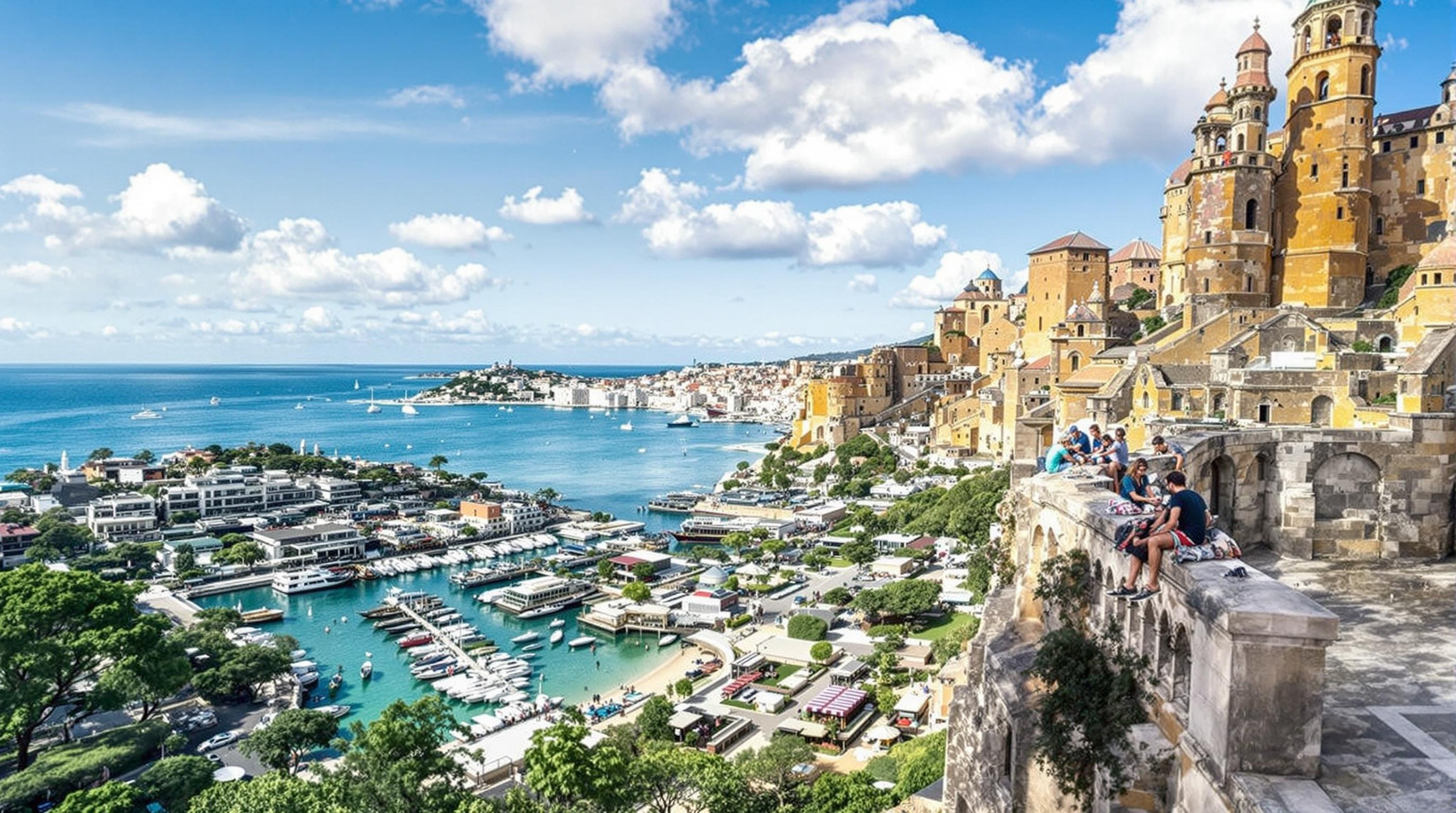
The trend of slow travel is rapidly gaining traction as more people opt for extended stays to explore destinations deeply and authentically while saving money. This article delves into the essence of slow travel, exploring its benefits, practical tips, and real-life examples to inspire you to embrace this transformative way of exploring the world.
The Essence of Slow Travel
Slow travel revolves around savoring experiences rather than rushing through them. It encourages engagement with local culture, cuisine, and communities, leading to a richer, more immersive travel experience. Unlike traditional tourism, which often focuses on ticking off bucket list items, slow travel offers an opportunity to absorb the rhythm of a destination.
Case Study: The Delightful Experience in Tuscany
Take Sarah, a 34-year-old graphic designer from Chicago, who spent three months in Tuscany. Instead of racing from Florence to Pisa, Sarah rented a rustic villa and engaged in local activities such as wine tasting, cooking classes, and art workshops. By the end of her stay, she not only improved her culinary skills but also cultivated lasting friendships with locals, showing the profound impact extended stays can have on a traveler’s journey.
Why Is Slow Travel Gaining Popularity?
As we navigate a world increasingly affected by climate change, many individuals are seeking to travel responsibly. According to a survey conducted by Booking.com, 76% of travelers plan to prioritize sustainable travel in the coming years (Booking.com, 2021). Without the relentless hustle to see as much as possible in a limited timeframe, slow travelers ensure that they leave a lighter footprint on the landscapes they explore.
Cost-Effective Exploration
One of the most compelling reasons to embrace slow travel is the cost-effectiveness it offers. Long-term accommodations often come with significantly reduced rates. For example, platforms like Airbnb and Vrbo frequently provide discounts for monthly bookings, enabling you to enjoy savings upwards of 30% compared to nightly rates. This translates into more funds available for local experiences, food, and entertainment.
Breaking Down the Budget
Consider this breakdown: a weeklong trip to a popular destination like Paris costs an average of $2,500, including accommodation, meals, transport, and entertainment (Budget Your Trip, 2022). On the other hand, a month spent in a charming Parisian apartment can be as low as $1,500, allowing for a much more leisurely experience without breaking the bank. This shift not only enhances your travel experience but also helps your wallet breathe a sigh of relief.
From Tourist to Local
One of the most beautiful aspects of slow travel is the ability to transition from being a mere tourist to feeling like a local. This shift is crucial for fostering genuine connections with your surroundings. Imagine sipping coffee at a neighborhood café each morning, knowing the barista's name and their preferred roast. Do you remember that time in school when you had a project due, and you desperately needed that extra day to pull it all together? That’s what slow travel gives you—a chance to really understand the subject matter of the place you’re in.
Fun Facts About Slow Travel
- Did you know that 50% of travelers want to spend more time exploring just one place this year? (A recent study by Travel Weekly, 2023)
- Slow travel is often more environmentally friendly. Shorter trips can mean less carbon footprint thanks to lesser travel between locations.
- Engaging in slow travel allows you to consume local cultures respectfully, which can lead to meaningful interactions with the community.
Planning Your Slow Travel Journey
Thinking of setting off on your own slow travel adventure? Start planning! Here’s a step-by-step guide:
- Choose a Destination: Select a place that intrigues you, perhaps somewhere off the beaten path.
- Plan for Duration: Decide how long you want to immerse yourself in the experience. Aim for at least two weeks, if possible.
- Find Accommodation: Look for long-term stay options on platforms that offer monthly deals.
- Engage: Research local communal events, markets, and cultural experiences to actively participate in.
- Connect: Make sure to allow time for relationships to blossom. Ask locals for recommendations, and don’t hesitate to join community groups.
Breaking the Myths of Slow Travel
Some may argue that slow travel is boring or unexciting. Quite the contrary! Imagine a canvas. You can rush through painting it, but the finer details—the subtle hues, the intricate brush strokes—are what bring the artwork to life. In slow travel, it’s the moments of serendipity, the hidden gems, and the spontaneous connections that create lasting memories.
The Generational Shift in Travel Preferences
The rise of two significant demographic trends—Millennials and Gen Z—has also fueled the popularity of slow travel. According to Adventure Travel Trade Association, about 32% of travelers aged 18-34 are now investing in slow travel experiences (ATTA, 2022). This generation values experiences over possessions, seeking authenticity rather than superficial exploration.
Tips for Making Your Trip Memorable
- Engage in Local Festivals: Local celebrations are an excellent way to connect with a culture. For instance, attending the Haro Wine Festival in Spain can make for unforgettable memories.
- Take Classes: Whether it’s pottery, cooking, or dance classes, immersing yourself in local traditions enhances your travel experience.
- Volunteer: Give back to the community while you travel, whether through environmental initiatives or supporting local charities.
Humor in Traveling Slowly
Traveling slowly can sometimes lead to hilarious situations—like mistaking your rental bike for a bar stool! You might find yourself sitting on your bike, chuckling at how life can be so wonderfully absurd. The key is to take things lightly, making the endless coffee shop visits and leisurely strolls a source of joy rather than a burden.
How to Combat Travel Burnout
With the over-exploitation of popular tourist spots during peak seasons, many travelers find themselves burnt out. According to a survey by the American Psychological Association, nearly 52% of frequent travelers reported feeling overwhelmed (APA, 2022). Slow travel helps counteract this burnout by allowing individuals to travel at their own pace, reducing the pressure to constantly plan and execute a busy itinerary.
An Invitation
So here’s my invitation to you, whatever your age: consider slow travel for your next adventure. You might just discover that the journey—quiet, reflective, and full of surprises—is where the true beauty of travel lies. Start with a weekend getaway—you’ll soon find the thrill in slowing down amidst the buzz of life.
The Takeaway
In a fast-paced world, the rise of slow travel invites us to reconnect not only with our destinations but also with ourselves. So, whether you’re a seasoned traveler or just dipping your toes, take a moment to ponder on this beautiful slice of the travel pie. Find joy in extended stays, engage with the local culture, and create a treasure trove of meaningful memories. The world is waiting—at a gentle pace.
Read More