Related Articles
- Uncharted Escapes: Navigating the Controversial Allure of Fringe Destinations and Their Untold Stories
- Uncharted Realms: The Surprising Intersection of Urban Legends and Adventure Travel in Offbeat Locations
- Curious Chronicles: Bizarre Transport Innovations Shaping Uncommon Explorations Across Unvisited Trails
- The Forgotten History of Eco-Adventuring: Learning from Indigenous Practices for Modern Exploration
- The Hidden Impact of Eco-Conscious Adventure Games on Environmental Education and Community Resilience
- Uncommon Routes: The Unexpected Appeal of Ghost Town Hikes in Eco-Friendly Exploration
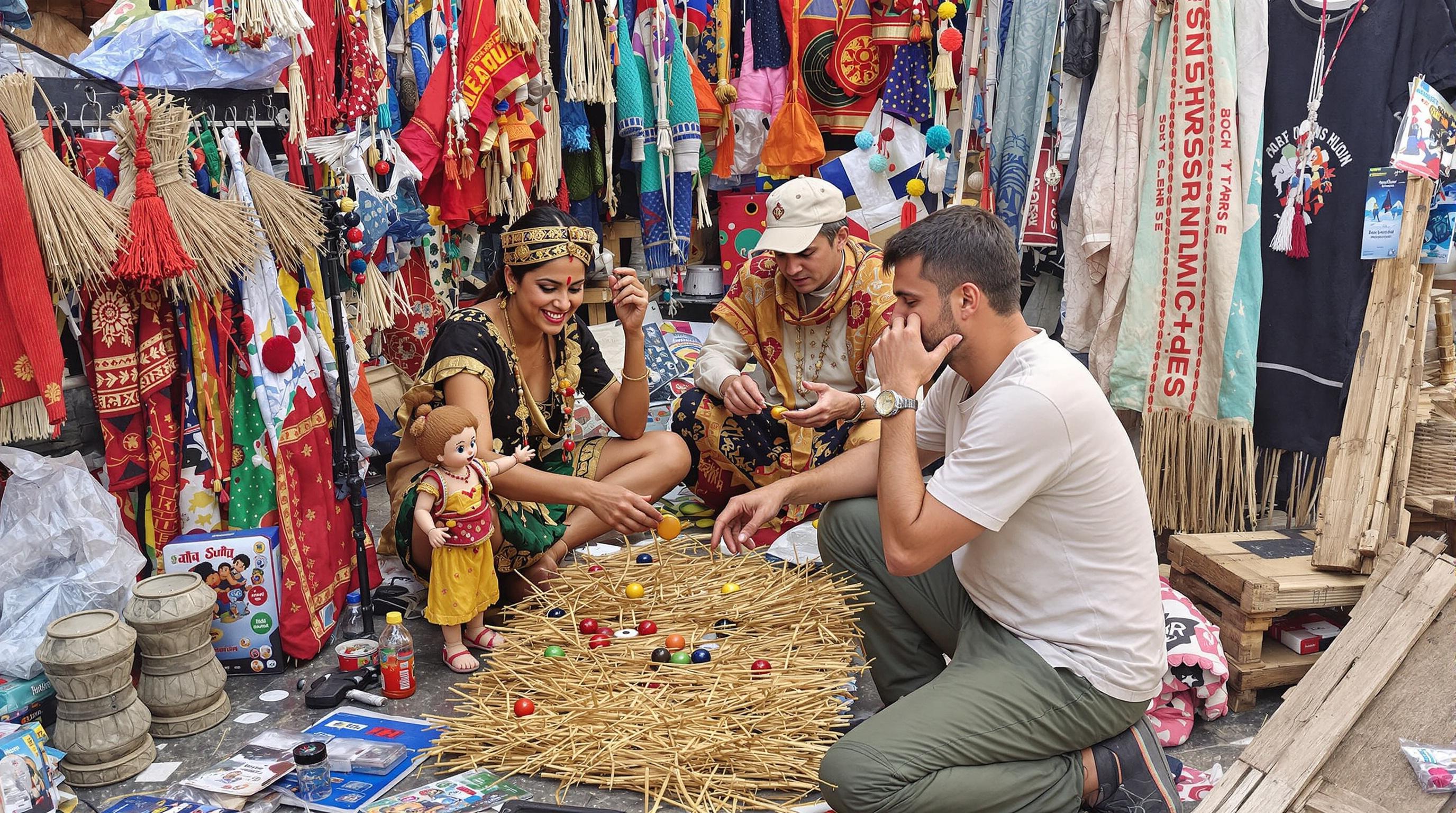
9 Curiously Uncharted Pathways: Embracing Unusual Local Games for Unique Cultural Immersion During Your Travels
9 Curiously Uncharted Pathways: Embracing Unusual Local Games for Unique Cultural Immersion During Your Travels
9 Curiously Uncharted Pathways: Embracing Unusual Local Games for Unique Cultural Immersion During Your Travels
Introduction
Traveling opens up a world of experiences, and one of the most enriching ways to immerse yourself in a new culture is through local games. These games often serve as windows into the traditions, social norms, and historical contexts of a place. By engaging in unusual games, you not only entertain yourself but also gain insight into the local community.
Unlike conventional tourist attractions, local games encourage interaction with community members, fostering a sense of connection and understanding. From quirky team sports to ancient pastimes, each game tells a story of its origin and significance. This article explores nine lesser-known local games from different corners of the world, offering travelers unique avenues for cultural immersion.
As you embark on your next adventure, consider setting aside your guidebooks and embracing these unusual local games. You may find that these activities lead to memorable interactions and fresh perspectives, enriching your travel experience in ways you never anticipated.
1. Sepak Takraw: Southeast Asia’s Foot Volleyball
Originating in Malaysia, sepak takraw is a captivating spectacle that combines elements of volleyball and martial arts. Players use their feet, head, knees, and chest to hit a rattan ball over a net, creating a fast-paced and dynamic game. It reflects athleticism and local culture, often played in community gatherings and festivals.
In countries such as Thailand and Indonesia, sepak takraw is more than just a sport; it's a vibrant tradition that brings together people of all ages. Observing or participating in a match invites you into a world where sport and community camaraderie collide. Notably, the International Sepak Takraw Federation governs the sport, showcasing its importance on a global stage.
When in Southeast Asia, seek out local tournaments or initiate a friendly match with locals. The joy of playing—or even just watching—can lead to a deep appreciation for this expressive aspect of local culture.
2. Kabaddi: An Ancient Indian Contact Sport
Kabaddi is an ancient sport originating from India, known for its unique blend of strength, strategy, and breath control. It involves two teams taking turns to send a 'raider' into the opposing team's half to score points by tagging opponents, while reciting "kabaddi" continuously without taking a breath.
This game is not just a physical test; it embodies teamwork and strategy. In rural regions, kabaddi is a community festival, attracting large crowds who come to cheer for their teams. Participating in or watching a kabaddi match immerses travelers in Indian village life and its rich sporting tradition.
To truly experience kabaddi, don’t hesitate to ask local residents about upcoming matches during your visit. The excitement and vibrancy of the crowd highlight the cultural importance of this game, allowing travelers to connect with local pride and passion.
3. Têtu: A Colorful French Street Game
Têtu is a lesser-known traditional game from France played on streets and public squares. Often associated with childhoods spent in rural communities, it involves drawing a circle on the ground and tossing small objects into the circle. Players take turns aiming for precision and skill.
This game not only hones hand-eye coordination but also becomes a social activity for children and adults alike. It reflects the French spirit of leisure and community connection, often played during festivals and neighborhood gatherings. Engaging in têtu allows travelers to bond with locals and experience the leisure culture of France firsthand.
Next time you find yourself in a French town, look for chalk circles drawn on the pavement and join in. The laughter and casual competitiveness of the game will transport you into the essence of French sociability.
4. Peteca: Brazilian Feather Slap Game
Peteca is a traditional Brazilian game that combines elements of volleyball and badminton. The game uses a feathered shuttlecock, which players hit with their hands to keep it in the air. Popular in coastal cities, peteca encourages outdoor play, reflecting the laid-back Brazilian lifestyle.
Often played on beaches and in parks, peteca fosters a strong sense of community among players. The vibrant atmosphere, laughter, and spontaneous gatherings create an inviting environment for travelers to join in. The game’s simplicity allows for easy adaptation, making it accessible for everyone regardless of skill level.
While in Brazil, take time to engage with locals at the beach. Whether you’re participating in a game or simply observing, you will gain a deeper appreciation for the Brazilian lifestyle and community spirit.
5. Kabbadi: The Intensely Strategic Backyard Game from Iran
Kabbadi, often confused with the Indian version, has its unique rules and cultural significance in Iran. This backyard game involves two teams where one player attempts to tag players from the opposing team while holding their breath. The strategic play and tactics make Kabbadi an intense and engaging sport.
This game is steeped in storytelling, with parallels drawn to ancient Persian tales and folklore. Participating in kabbadi enhances your understanding of Iranian culture, linking historical narratives to present-day community interactions. In rural areas and local villages, the game can serve as a communal event, drawing spectators as well as participants.
When you find yourself in Iran, seek out locals and inquire about kabbadi matches. The shared enthusiasm and local pride will offer you a unique perspective on Iranian heritage and community bonding.
6. Gilli Danda: A Traditional Indian Game of Skill
Gilli Danda is a traditional Indian game played with a small wooden stick (gilli) and a larger one (danda). It resembles cricket in some aspects but is played in a more casual setting, often in streets or open fields. It requires skill, agility, and strategy, making it a favorite among children in rural communities.
Playing Gilli Danda offers not just a playful escapade but also a chance to interact with local youths. This game fosters teamwork and reflects the essence of childhood in the Indian countryside, where community and fun reign supreme. The simplicity of the game makes it accessible, encouraging participation from individuals of all ages.
When traveling through India, take a moment to join a game of Gilli Danda with local children. You’ll share laughter and create memories that connect you to the heart of Indian culture.
7. Pétanque: The French Boules Game
Pétanque is a game often seen in parks across France, where players throw metal balls (boules) towards a smaller target ball (cochonnet). It’s a game of skill, strategy, and social interaction. Enthusiastic players of various ages gather for casual matches or competitive tournaments in public spaces.
The leisurely pace of pétanque allows for meaningful conversations and community bonding amongst players. The game encapsulates the essence of French café culture, where social lives revolve around such pastimes. This sport encourages a slower and more reflective travel experience, allowing you to connect with locals on a deeper level.
While visiting France, consider joining a local pétanque game. The experience of mingling with locals while enjoying a classic French pastime can enhance your understanding of their culture and enhance your travel narrative.
8. Capture the Flag: A Timeless Game with Global Variations
Capture the Flag, a classic game enjoyed worldwide, presents numerous cultural adaptations. While best-known in North America, variations of this strategic game can be found globally—from rural villages to urban settings. Two teams compete to capture each other’s flags while protecting their own, resulting in a blend of strategy and physical activity.
Engaging in capture the flag while traveling creates a sense of competition and camaraderie among participants. The game often breaks language barriers, encouraging teamwork and collaboration, regardless of cultural backgrounds. Such experiences foster connections with both locals and fellow travelers alike.
When traveling, watch for local adaptations of capture the flag. Whether in a park, at a beach, or during a festival, this game can lead to some of the most exhilarating interactions and forge lasting friendships.
9. Conclusion: The Joy of Local Games
Exploring local games during your travels allows you to dive deeply into the culture and social fabric of a community. Whether it’s the adrenaline of kabaddi or the strategy of pétanque, engaging in these activities can provide unique insights and memorable experiences.
Participating in local games fosters connections with locals and creates opportunities for intercultural dialogue. It allows travelers to step off the beaten path and cherish experiences that transcend traditional sightseeing.
So next time you travel, embrace the local games that unfold around you. You may find that these spirited interactions will enrich your journey, forge newfound friendships, and leave you with a more profound appreciation for the culture you encounter.
Read More