Related Articles
- Uncharted Escapes: Navigating the Controversial Allure of Fringe Destinations and Their Untold Stories
- Uncharted Realms: The Surprising Intersection of Urban Legends and Adventure Travel in Offbeat Locations
- Curious Chronicles: Bizarre Transport Innovations Shaping Uncommon Explorations Across Unvisited Trails
- The Forgotten History of Eco-Adventuring: Learning from Indigenous Practices for Modern Exploration
- The Hidden Impact of Eco-Conscious Adventure Games on Environmental Education and Community Resilience
- Uncommon Routes: The Unexpected Appeal of Ghost Town Hikes in Eco-Friendly Exploration
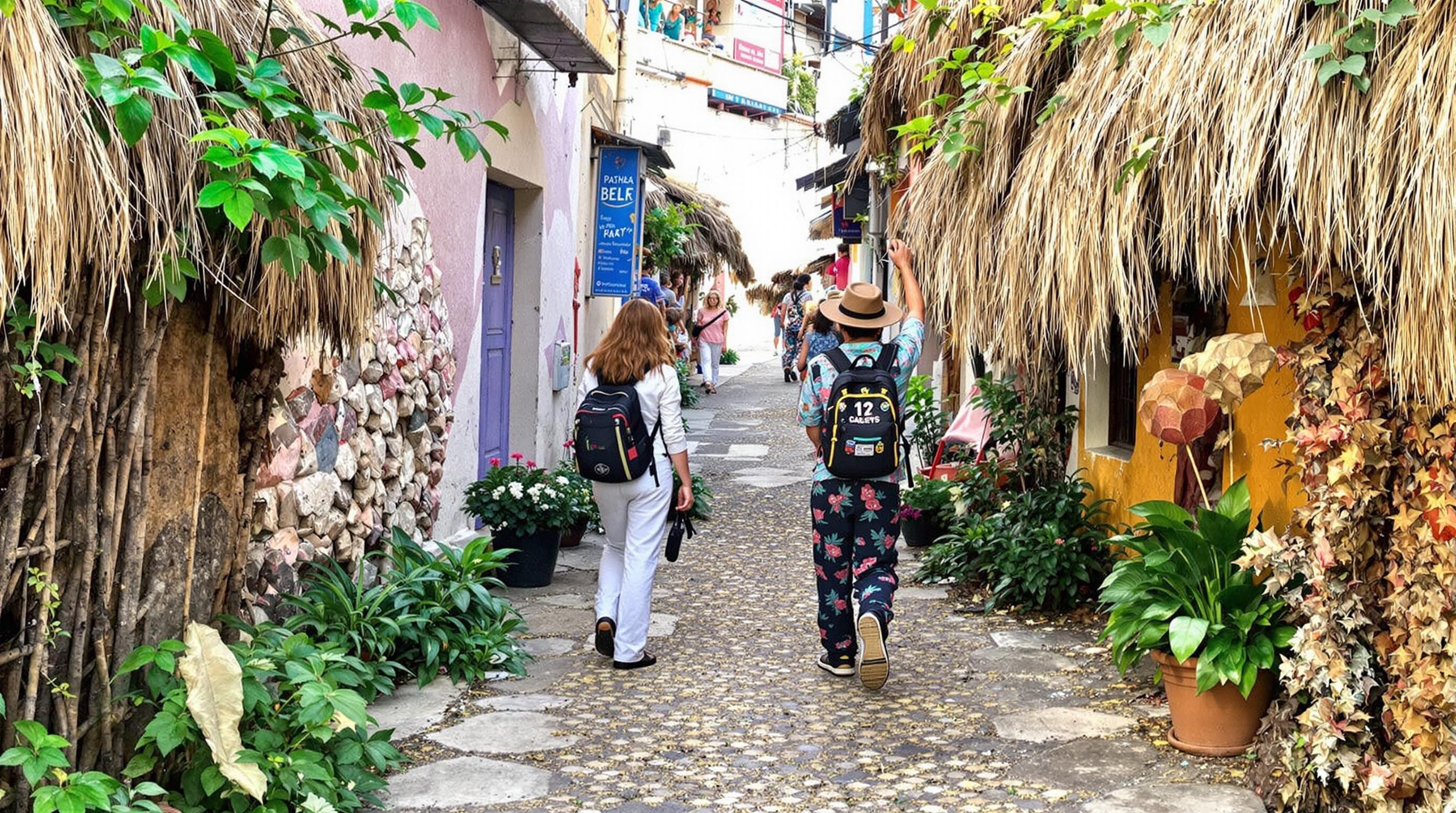
9 Hidden Pathways: Discovering Local Legends for a Transformative Cultural Immersion Experience on Your Travels
9 Hidden Pathways: Discovering Local Legends for a Transformative Cultural Immersion Experience on Your Travels
9 Hidden Pathways: Discovering Local Legends for a Transformative Cultural Immersion Experience on Your Travels
Introduction to Cultural Immersion
Traveling is often about more than just the sights; it's about diving into the heart of a culture and experiencing its intricacies. Cultural immersion can transform a conventional vacation into a profound journey, allowing travelers to engage with local customs and narratives. The tales of local legends offer an untapped reservoir of experiences that are undoubtedly enriching.
Local legends often originate from historical events, myths, or folk tales that have been passed down through generations. They reflect the values, beliefs, and identities of the communities that harbor them. When travelers engage with these stories, they gain insight into the social fabric and cultural dynamics of a place.
This article will explore nine unique pathways to discovering local legends throughout the world, offering travelers a chance to connect meaningfully with their destinations. By embracing these hidden stories, a traveler can appreciate the richness of a place far beyond the surface.
1. Legends of the Land
Every region has its own geographical features and natural wonders that inspire local legends. For instance, in Iceland, the folklore surrounding elves and hidden people reflects the island's striking landscapes and mysterious natural occurrences. Engaging with local historians or visiting folklore centers can unveil these stories.
Similarly, Australia’s Aboriginal Dreamtime stories offer insights into the land and its spiritual significance. Travelers can participate in guided tours led by Indigenous people, who share these rich narratives directly tied to their ancestral land.
By exploring these legends of the land, travelers can cultivate a deeper respect for the environment and its cultural importance. Such experiences often involve guided hikes or nature walks, where storytelling becomes an integral part of the journey.
2. Festivals of Folklore
Festivals are vibrant celebrations where local legends often come to life. These events provide an immersive experience where folklore, music, and traditional arts converge. Festivals like La Tomatina in Spain or the Day of the Dead in Mexico highlight the stories central to these cultures.
Attending a festival allows travelers to witness the dedication and passion of a community in celebrating their history. Participation in traditional dance, food, and music grounds the visitor in the local culture, making it a participatory experience rather than passive observation.
Moreover, festivals often present opportunities to interact with local artisans who are preserving age-old crafts, further enhancing the connection to local legends. These events act as portals to understanding the historical context in which each story exists.
3. Mythical Sites
Visiting mythical or sacred sites offers an opportunity to explore the legends they embody. Sites like Stonehenge in the UK or the Great Pyramid of Giza in Egypt are steeped in stories that have fascinated generations. Engaging a knowledgeable guide can shed light on the myths and legends tied to these landmarks.
Equally, smaller, less-known sacred sites often hold compelling stories. The ruins of ancient temples, Native American sacred grounds, or hilltop shrines often reveal deep connections to the past, benefiting travelers seeking profound experiences.
Through exploration of these mythical sites, one can better appreciate the significance that local traditions carry within the context of historical narratives. It becomes a journey not just through land, but through time.
4. Culinary Legends
Food is a primary vehicle for cultural transmission and storytelling. Every dish tells a story about the land, people, and history, and local legends often tie into culinary practices. For example, recipes that have stood the test of time often have stories behind their origins.
When visiting places like Italy or India, taking a cooking class or a food tour can reveal how meals are intertwined with local legends. Each ingredient can represent the tale of a community, its people, and their history.
Through understanding the culinary legends, travelers not only satiate their appetites but also enrich their understanding of cultural identity. Food becomes a taste of the story waiting to be unraveled.
5. Storytelling Circles
Participating in storytelling circles offers a direct line to local legends, where community members share narratives in an intimate setting. Many cultures have traditional gatherings, where stories are passed down verbally. These circles foster a sense of belonging and provide authentic insights into community life.
In places like West Africa or native American reservations, attending a storytelling event can be a profound experience. These gatherings often reflect the values and lessons of a culture while highlighting the universal themes present in human experience.
Engaging directly with storytellers allows travelers to witness how these legends evolve and change with each generation, adding another layer of depth to the cultural journey.
6. Art as a Medium of Legends
Local art often draws on legends and folklore, serving as a reflection of cultural identity. Murals, sculptures, and traditional crafts all tell stories of the people and their surroundings. By visiting local galleries or craft markets, travelers can explore how art conveys historical narratives.
In regions such as Central America, traditional arts are closely linked to indigenous myths and beliefs. Artists often incorporate symbolic elements in their work that provide insight into local lore, offering travelers a tangible connection to the stories.
Such artistic interactions can also include workshops where tourists can create their own pieces, helping them forge a personal connection to the culture while learning the underlying legends that inspire the artistry.
7. Local Guides and Historians
Hiring local guides or historians can dramatically enhance a travel experience. These individuals are often well-versed in local legends, historical events, and cultural nuances that books alone may not cover. Engaging with their perspectives creates a richer understanding of a destination.
In cities with rich histories, such as Rome or Kyoto, local guides can share lesser-known legends that are not typically included in standard tourist itineraries. They often provide context that breathes life into the historical sites visited.
Travelers who invest in local knowledge not only gain insider access to stories but also support community livelihoods, making their journey more meaningful and impactful.
8. Literature and Legends
Exploring local literature can unlock layers of cultural insight and connection to legends. Many communities have renowned literary figures whose works encapsulate their myths and moral lessons. Reading these stories can provide context and depth to travelers' experiences.
For instance, visiting the homes of authors like Gabriel García Márquez in Colombia or Mark Twain in the United States allows travelers to immerse themselves in the landscapes that inspired these literary masterpieces, offering glimpses into the legends that shape these narratives.
By exploring local literature, travelers can broaden their understanding of cultural identity through the lens of storytelling, enriching their journey by contemplating the themes stitched into these tales.
9. The Journey Continues
Ultimately, the quest to uncover local legends is an ongoing journey. As one travels, the blending of stories, experiences, and cultures reveals a world crying out to share its narratives. By remaining open to encounters with local legends, travelers can transform their experiences into lifelong memories.
Participating in these hidden pathways not only highlights the importance of storytelling in human connectivity but also cultivates a greater appreciation for diverse cultures. Travelers become ambassadors, taking these stories back to their own societies, weaving a tapestry of shared experiences.
Through the exploration of local legends, travelers can deepen their understanding of the world and become part of a larger narrative that connects all humanity. The call to adventure is an invitation not just to see the sights, but to feel the pulse of the cultures we encounter.
Read More