Related Articles
- Uncharted Escapes: Navigating the Controversial Allure of Fringe Destinations and Their Untold Stories
- Uncharted Realms: The Surprising Intersection of Urban Legends and Adventure Travel in Offbeat Locations
- Curious Chronicles: Bizarre Transport Innovations Shaping Uncommon Explorations Across Unvisited Trails
- The Forgotten History of Eco-Adventuring: Learning from Indigenous Practices for Modern Exploration
- The Hidden Impact of Eco-Conscious Adventure Games on Environmental Education and Community Resilience
- Uncommon Routes: The Unexpected Appeal of Ghost Town Hikes in Eco-Friendly Exploration
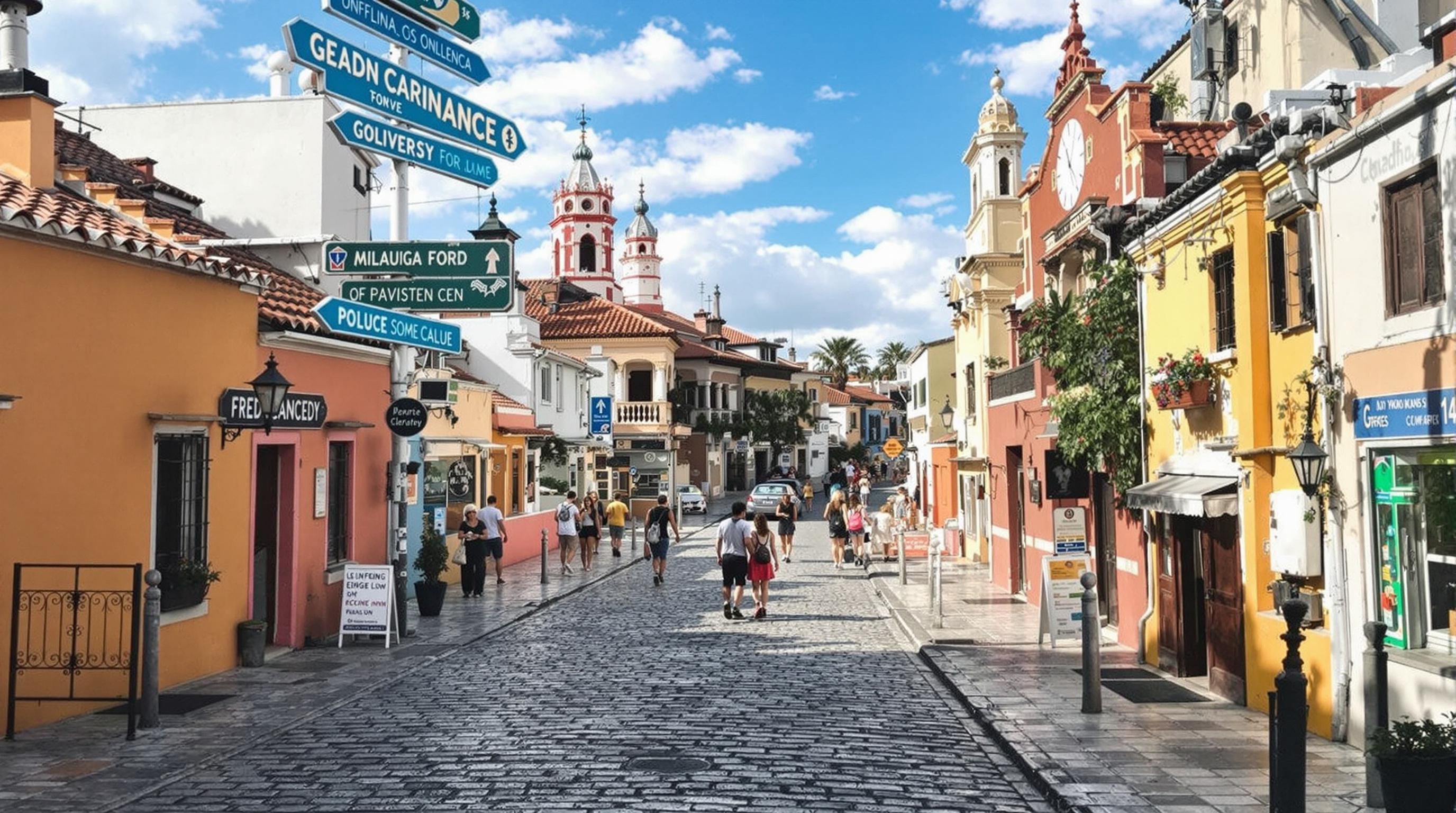
9 Subtle Shifts: Navigating Unwritten Codes for Authentic Cultural Connection in Your Travel Adventures
9 Subtle Shifts: Navigating Unwritten Codes for Authentic Cultural Connection in Your Travel Adventures
9 Subtle Shifts: Navigating Unwritten Codes for Authentic Cultural Connection in Your Travel Adventures
1. Understanding Cultural Norms
Before embarking on any travel adventure, it is crucial to acknowledge and understand the unwritten cultural norms of your destination. Each culture has unique customs, behaviors, and expectations that significantly impact social interactions. For instance, in Japan, bowing is a common greeting that signifies respect and humility.
As travelers, we often come with preconceived notions that can lead to misunderstandings. Misinterpreting a cultural norm may result in unintentional offense, which can inhibit authentic connections. Engaging with local literature or documentaries can provide deeper insights into cultural practices and values.
Recognizing and respecting these norms lays the foundation for building genuine relationships with individuals from different backgrounds. Just as Toni Morrison’s characters navigate the complexities of their worlds, so too must we strive to approach new cultures with an open mind.
2. Embracing Local Language
While English is widely spoken in many countries, learning a few key phrases in the local language can create immediate connections. Language is a gateway into the heart of a culture. Even simple greetings and expressions of gratitude can demonstrate respect and appreciation for the local customs.
Research shows that speaking the native language, even imperfectly, fosters trust and opens doors to deeper conversations (Ting-Toomey, 1999). It signals to locals that you value their culture enough to make the effort, paving the way for more meaningful interactions.
Embracing language isn’t just about communication; it’s about immersing yourself in the essence of a culture. It transforms the way you experience a place, helping to break down barriers that often exist between tourists and residents.
3. Adapting to Social Interactions
Different cultures have various ways of interacting socially, from the degree of eye contact to the formality of greetings. In some cultures, maintaining direct eye contact is a sign of confidence, while in others, it may be perceived as rude or aggressive. Being adaptable to these social nuances is key to establishing rapport.
Furthermore, understanding the cultural significance of personal space can enhance your interactions. For example, in Latin America, closer physical proximity during conversation is common, whereas, in Northern European cultures, individuals may prefer more space. Observing these cues can facilitate a smoother exchange.
The art of adapting requires sensitivity and an awareness that you are a guest in someone else’s world. This adaptability not only enriches your travel experience, but it also shows a level of respect that locals will appreciate, creating a foundation for authentic connections.
4. Participating in Local Events
Engaging with local events presents a valuable opportunity to connect with the culture authentically. Festivals, markets, or community gatherings allow you to interact with locals in a relaxed environment, fostering a sense of belonging and shared experience.
Participation in these events often enriches your understanding of cultural traditions while building connections with individuals you would not typically meet otherwise. As Morrison beautifully illustrates through communal experiences in her narratives, these interactions can lead to cultural insights that deepen your appreciation of the community.
Moreover, volunteering or participating in local workshops can offer profound insights into everyday life, moving beyond the surface level of tourism. This immersion fosters genuine relationships and provides lasting memories tied to authentic cultural experiences.
5. Practicing Mindful Observation
In a fast-paced world, mindful observation allows travelers to appreciate their surroundings and the ebb and flow of daily life. Taking the time to observe social interactions, public behaviors, and cultural practices provides invaluable context for understanding a destination.
Mindfulness encourages travelers to immerse themselves fully in their environment, recognizing that seemingly simple moments in a marketplace or park can reveal deep cultural significance. Following Morrison’s example, being attentive to the stories and lives of others can lead to richer travel experiences.
Observing without judgment allows the culture to unfold naturally, revealing the nuances of life that bring authenticity to your experience. This practice aligns with the understanding that every interaction carries the potential for deep emotional and cultural connection.
6. Avoiding Stereotypes
Stereotypes are oversimplified perceptions that can hinder genuine cultural connections. As travelers, we must be mindful not to reduce complex cultures to one-dimensional caricatures. Each individual embodies different aspects of their culture, shaped by personal experiences and contexts.
Engaging with locals openly and asking questions allows for a broader understanding that challenges preconceived notions. Morrison's work illustrates the power of storytelling in dispelling stereotypes by revealing the intricacies of lived experiences.
Approaching conversations with an open heart fosters an environment where deeper connections can be formed. By recognizing and moving beyond stereotypes, we honor the diverse stories each individual carries, enriching our travel experiences.
7. Respecting Cultural Differences
Every culture has its own set of values and beliefs that shape daily life, and respecting these differences is crucial for authentic connection. What may seem normal in one culture may be offensive in another. For instance, certain gestures or expressions can carry vastly different meanings across cultures.
Engagement with cultural differences requires a willingness to learn and adapt, embodying the principles of cultural humility. Morrison’s narratives often highlight the importance of acknowledging and respecting others’ experiences, illustrating that understanding comes from empathy and active listening.
By fostering an attitude of respect and curiosity, travelers create safe spaces for dialogue that allow cultural exchange to flourish. This fosters empathy and understanding, transforming travel into an enriching adventure that reflects the beauty of diversity.
8. Promoting Sustainability
Being aware of the environmental and social impact of your travel choices is fundamental to authentic cultural connection. Sustainable travel encourages engagement with local communities in ways that honor their environment and livelihoods. Supporting local businesses over larger corporations can enhance cultural experiences while benefiting residents directly.
Research indicates that sustainable tourism practices not only promote environmental conservation but also foster cultural preservation (UNWTO, 2020). Travelers who respect their destinations help sustain the traditions and identities of local communities, promoting long-term cultural connections.
By prioritizing sustainability, travelers contribute to the well-being of the communities they visit—an action that transcends mere tourism to create meaningful relationships rooted in respect and reciprocity.
9. Sharing Personal Stories
Stories bridge cultures and forge connections, making sharing personal narratives a powerful tool for authentic engagement. Sharing experiences, dreams, and challenges fosters empathetic understanding and mutual respect between travelers and locals.
As Morrison demonstrates in her works, storytelling has the capacity to reveal our shared humanity, allowing others to see the world through different lenses. This exchange can defy stereotypes and invite vulnerability, enabling deeper connections to blossom.
Moreover, listening to locals share their stories provides perspective and context, offering insights into their culture and values. This reciprocal sharing of stories reinforces the bonds formed during your travels, creating a tapestry of shared human experiences that transcends borders.
Conclusion
Navigating unwritten codes for authentic cultural connections enhances the richness of travel. By understanding cultural norms, embracing language, adapting to social interactions, and engaging mindfully, we can foster genuine relationships that transcend superficial tourism.
Each step towards deeper understanding and respect empowers us to forge connections that celebrate the beauty of diversity. As we journey through new landscapes and cultures, let us remember that the true essence of travel lies in people and the stories they share.
Read More