Related Articles
- Uncharted Escapes: Navigating the Controversial Allure of Fringe Destinations and Their Untold Stories
- Uncharted Realms: The Surprising Intersection of Urban Legends and Adventure Travel in Offbeat Locations
- Curious Chronicles: Bizarre Transport Innovations Shaping Uncommon Explorations Across Unvisited Trails
- The Forgotten History of Eco-Adventuring: Learning from Indigenous Practices for Modern Exploration
- The Hidden Impact of Eco-Conscious Adventure Games on Environmental Education and Community Resilience
- Uncommon Routes: The Unexpected Appeal of Ghost Town Hikes in Eco-Friendly Exploration
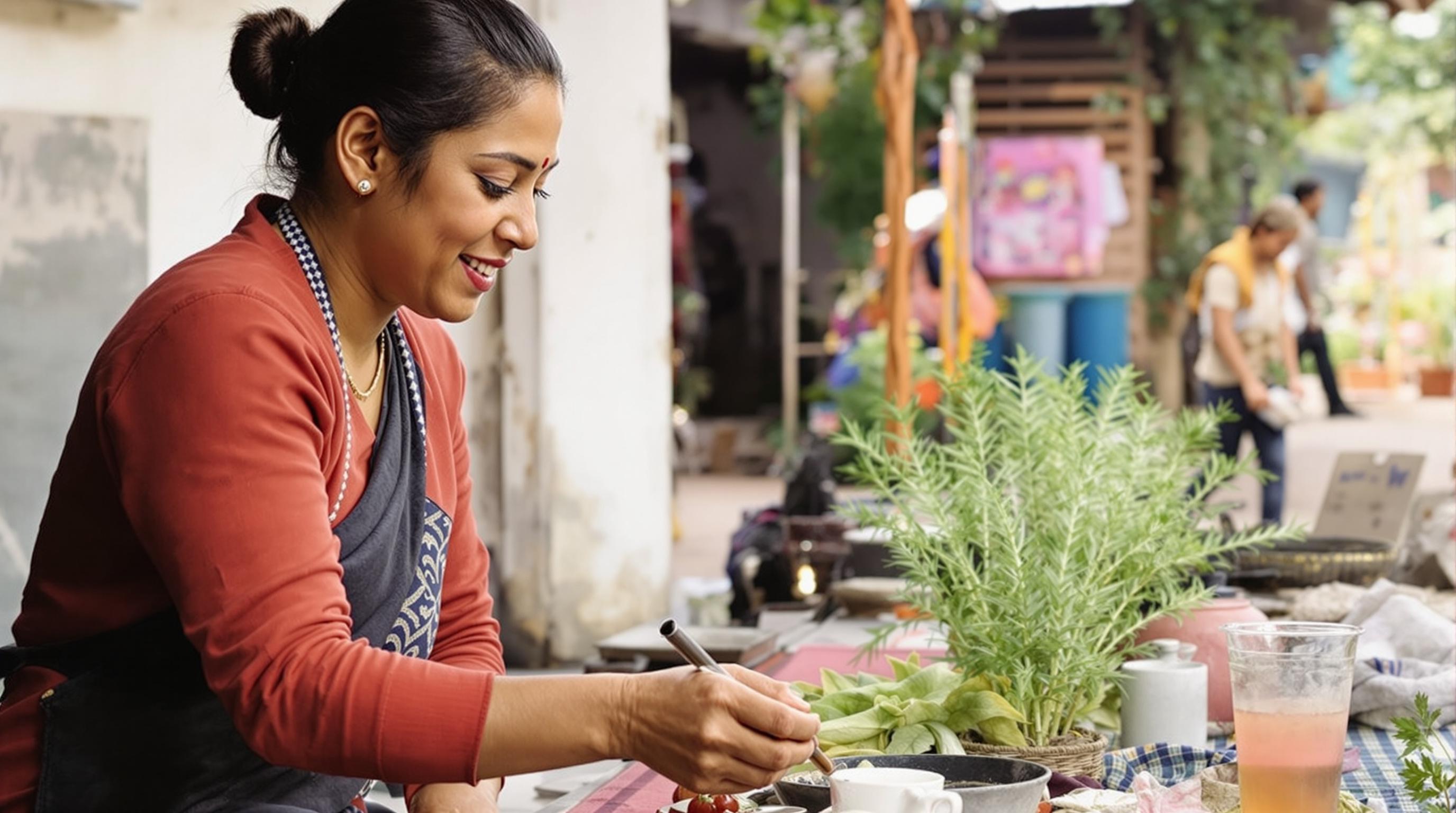
Navigating Cultural Nuances: How Everyday Rituals Reveal Hidden Histories in Global Communities
Navigating Cultural Nuances: How Everyday Rituals Reveal Hidden Histories in Global Communities
Everyday rituals across cultures not only reveal the nuances of human behavior but also serve as whispered echoes of history, illuminating intertwined destinies. Understanding these rituals allows us to appreciate the rich tapestry of global communities that have shaped collective identities.
The Power of Rituals: More Than Meets the Eye
The definition of rituals often evokes images of solemn ceremonies or elaborate festivities. However, rituals are deeply embedded in our daily lives, from the simple act of sharing a meal to the complex traditions surrounding life events. As anthropologist Victor Turner noted, rituals operate as a "bridge" between the mundane and the magical, offering insights into societal values and historical contexts. By examining these seemingly innocuous rituals, we can uncover hidden histories that articulate a community's identity.
Food as a Cultural Narrative
When we think about the rituals surrounding food, we might consider family dinners, religious feasts, or holiday celebrations. Take, for example, the Jewish Passover Seder. This meal is rich in symbolism and recounts the Exodus story—a foundational moment in Jewish history. Each item on the Seder plate tells a story, connecting contemporary practices with an ancient past. According to a survey by the Pew Research Center, over 70% of American Jews participate in Passover, indicating the ritual's enduring significance (Pew Research Center, 2020).
Across the globe in Japan, the ritual of “omotenashi,” or selfless hospitality, exemplifies how food transcends mere sustenance and symbolizes cultural values. During events such as tea ceremonies, the act of preparing and serving tea becomes a meditative process, reinforcing social bonds and respect between host and guest.
Conversations Around the Table: A Human Connection
In many cultures, meals serve as a focal point for gathering, leading to deeper connections among family members. In Mexico, for example, the Sunday family meal is considered sacred. It's not just about food but storytelling—an exchange of life stories, laughter, and sometimes tears. Surprisingly, research published in the Journal of Adolescent Health (2018) shows that adolescents who partake in family meals regularly lead healthier lifestyles. These meals, therefore, weave together emotional histories while fostering physical well-being.
Rituals of Passage: Marking Life's Milestones
Rituals serve as crucial markers of transition in life, from birth to death. In many African cultures, initiation ceremonies transition adolescents into adulthood, serving as cultural rites that signify responsibility and belonging. One notable example is the Maasai's Eunoto ceremony, marking the passage from warrior to elder, a practice rich with symbolism and communal participation.
Conversely, in Western contexts, graduation ceremonies are a common yet significant rite of passage. Despite their modern corporate vibe, they resonate with centuries-old traditions symbolizing achievement and moving into a new phase—a reminder of the history bridging various educational institutions back to their origins.
Humor in Rituals: Laughter as a Universal Language
Sometimes, rituals embrace humor to reflect cultural identity. In the Philippines, the "Funny Birthday" tradition entails the celebrant wearing mismatched, often comical costumes. This lighthearted approach celebrates individuality and love, turning birthdays into extravagant displays of affection and amusement. According to local customs, laughter is believed to ward off negative spirits—a belief that blurs the line between ritual and superstition.
A Global Community: Dance as Expression
Dancing is another ubiquitous form of ritual that fosters community. From the tango in Argentina to the hula in Hawaii, dance serves as an expression of cultural history. The traditions behind these dances illuminate the struggles, joys, and aspirations of communities. Did you know that over 40% of the world’s population participates in dance in some form? (World Health Organization, 2021).
In Fiji, the Meke dance has roots that date back centuries, conveying stories of ancestors while also preserving the Fijian identity amidst globalization. The tapestry adds more depth when you realize these dances often address issues such as colonization, migration, and identity, weaving hidden histories into rhythm and movement.
Globalization: A Double-Edged Sword
However, the phenomenon of globalization poses unique challenges. While it has led to the fusion and sharing of rituals, it sometimes distorts their original meanings. For instance, the Western celebration of Diwali has become commercialized, overshadowing its rich spiritual significance. As communities navigate this changing landscape, the challenge lies in preserving authenticity while embracing innovation.
Case Study: Irish Potato Famine and Modern Traditions
The Irish Potato Famine of the 1840s serves as a poignant case study illustrating how historical trauma can shape rituals. As families sought solace, new traditions emerged, like the “Feast of St. Patrick,” where people celebrated their roots despite adversity. Today, this festival has become a global phenomenon yet retains its cultural essence, drawing millions into a communal experience steeped in shared histories.
Storytelling: A Pillar of Cultural Preservation
The act of storytelling is an intrinsic ritual that has withstood the test of time, preserving histories through generations. Many Indigenous cultures employ storytelling to pass down knowledge of the land, oral histories, and survival techniques. A captivating example is the Navajo storytelling tradition, which intertwines lessons of resilience and community identify through tales deeply rooted in nature.
Understanding Cultural Nuances through Rituals
To truly appreciate cultural nuances, one must engage with these rituals authentically. Participating in cultural practices—not just onlookers—can foster understanding and respect. For example, attending a Hindu wedding ceremony can unveil the intricacies of love, commitment, and societal obligations that have evolved over millennia.
Moreover, learning about other cultures promotes social cohesion. A survey from the Institute for Cultural Diplomacy shows that individuals who engage with different cultural practices report heightened empathy and intercultural understanding (Institute for Cultural Diplomacy, 2022).
Embracing Diversity in a Globalized World
As a young writer from a multicultural background, I believe it's essential for us to embrace the beauty of diversity rather than fear or reject it. This can be achieved by sharing individual narratives that highlight the intersectionality of identities. By collaborating on rituals, from local community centers to international forums, we can foster dialogue and mutual respect. This will celebrate our unique cultures while revealing shared hidden histories that unite us.
The Future of Rituals: Preservation and Adaptation
Looking toward the future, the challenge resides in how we preserve the essence of rituals without losing their depth. The adoption of technology, for instance, has added a new dimension, allowing people to share rituals virtually—weddings streamed online, and cultural festivals digitized to reach global audiences. While these adaptations offer accessibility, they must emphasize preserving authenticity, ensuring that the spirit remains intact.
Think of how virtual reality might one day immerse individuals in the experience of a Diwali celebration, complete with its vibrant lights and sounds, as if participants were physically present. Balancing preservation with innovation will be key to keeping cultural narratives alive and relevant.
The Call to Action: Engaging with Global Communities
As members of an increasingly interconnected world, engaging meaningfully with the rituals of diverse communities not only broadens our perspectives but also fosters a sense of responsibility to celebrate and protect cultural heritages. From taking a cooking class that teaches traditional recipes to participating in local cultural events, every effort counts in weaving the tapestry of global community.
In conclusion, rituals serve as potent vessels of cultural memory, offering insights that extend beyond the surface. By embracing these connections, we can build a future rooted in understanding and unity, celebrating the hidden histories that make our shared world incredibly rich. So let’s dig deeper, lean in, and explore the vibrant threads of rituals that each community offers!
Read More