
Related Articles
- Uncharted Escapes: Navigating the Controversial Allure of Fringe Destinations and Their Untold Stories
- Uncharted Realms: The Surprising Intersection of Urban Legends and Adventure Travel in Offbeat Locations
- Curious Chronicles: Bizarre Transport Innovations Shaping Uncommon Explorations Across Unvisited Trails
- The Forgotten History of Eco-Adventuring: Learning from Indigenous Practices for Modern Exploration
- The Hidden Impact of Eco-Conscious Adventure Games on Environmental Education and Community Resilience
- Uncommon Routes: The Unexpected Appeal of Ghost Town Hikes in Eco-Friendly Exploration
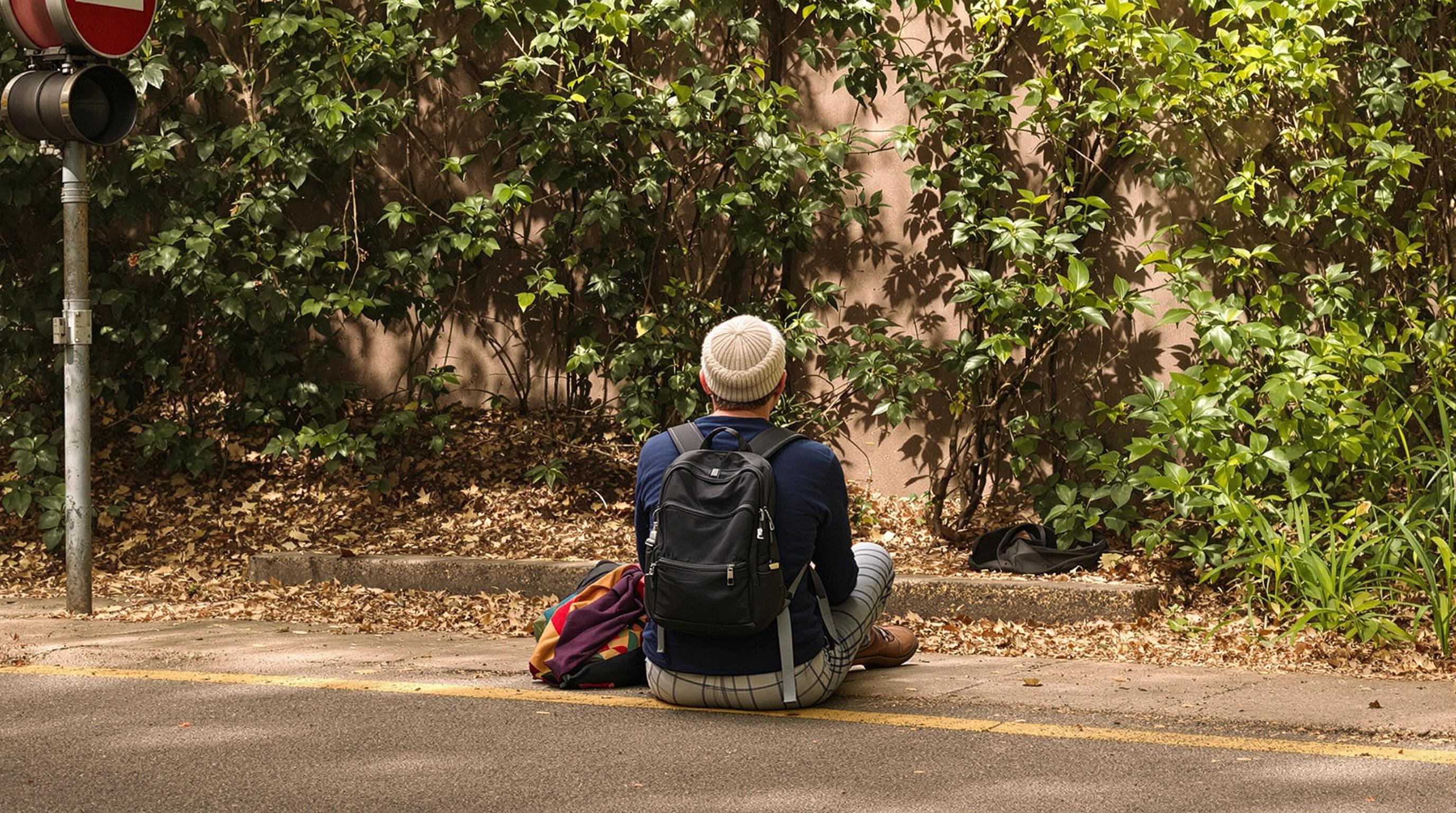
The Art of Silence: How Finding Quiet Spaces Deepens Your Cultural Connections
The Art of Silence: How Finding Quiet Spaces Deepens Your Cultural Connections
In our fast-paced world, silence is often overlooked, yet it holds profound potential to enhance our understanding of different cultures. This article explores how finding quiet spaces can deepen our cultural connections, examining the importance of silence in communication, personal reflection, and community bonding across various cultural contexts.
The Value of Silence in Modern Society
Isn’t it ironic? In an age where connectivity is at our fingertips, many of us are craving silence more than ever. The World Health Organization reports that 60% of the global population is exposed to levels of noise that exceed recommendations, which can lead to a myriad of health issues—from heightened stress levels to cardiovascular problems (WHO, 2021). This constant barrage of sound not only affects our physical health but also our mental well-being and cultural engagement.
The Cultural Significance of Quietness
In different cultures, silence serves varying purposes. For instance, in many Eastern cultures, including Japan and China, silence is often viewed as a sign of maturity and respect. In Japan, the traditional art of 'ma'—the space between sounds—is celebrated as a crucial component of music and conversation. This appreciation of silence facilitates deeper listening and understanding, allowing individuals to engage on a more meaningful level (Samuels, 2019).
Conversely, in some Western cultures, silence can sometimes be met with discomfort. A study published in 'Psychology Today' found that Americans often fill silences with small talk to avoid awkwardness, viewing silence as a negative space (Smith, 2020). However, breaking free from this mindset and embracing silence might enrich cultural connections instead of detracting from them.
Case Study: Traditional Native American Communities
Consider the experience of Native American tribes, where silence often plays a significant role in communication and storytelling. Elders frequently utilize pauses not just to gather their thoughts but to encourage deeper reflection among listeners. This unhurried pace allows stories to resonate more meaningfully, reinforcing community ties and cultural heritage. Researchers have noted that these quiet moments foster connection and understanding, bridging generations within Indigenous societies (McCoy, 2022).
The Art of Personal Reflection
Another vital aspect of silence is its role in personal reflection—something we all could benefit from. In a world overwhelmed by distractions, giving ourselves even just a few moments of quiet can lead to profound insights. According to a study by the University of California, Berkeley, individuals who engaged in regular silent meditation reported higher levels of happiness and emotional intelligence (Kekes, 2020). This practice provides a space to cultivate mindfulness, which enables one to engage more deeply with diverse cultural narratives.
Finding Quiet Spaces
So, where does one find these precious quiet spaces in a noisy world? Start by identifying environments that foster tranquility. Parks, libraries, and secluded spots in nature serve as perfect retreats. These places not only allow one to indulge in silence but also often have historical or cultural significance that can enhance your understanding of local traditions and histories.
Moreover, utilizing technology ironically can lead you to quiet spaces. Apps like "Calm" or "Headspace" offer guided meditations and soundscapes that encourage reflection and quietude. Interestingly, data from 'Statista' indicates a rise in usage of mindfulness apps, showing a growing awareness of the need for silence in our lives (Statista, 2023). By integrating these digital aids, anyone from age 16 to 70 can make room for stillness amidst chaos.
Building Cultural Connections through Shared Silence
Engaging with others in silence can also forge deeper connections. Think of a shared moment of silence at cultural festivals, vigils, or even during religious ceremonies. These collective experiences create a powerful sense of solidarity and community. For instance, the annual International Day of Peace invites individuals to reflect silently at noon on September 21st, creating a global wave of shared purpose and intention.
Humor and Silence: A Paradox
Now, let's talk humor! Ever been in an awkward situation where silence hangs heavy like a thick winter fog? It’s almost as if the air itself begs for laughter. For example, picture a group of friends sitting around a table, their food long gone, and the conversation has drifted into an uncomfortable hush. What often follows? Someone cracks a joke about the weather, or “Isn’t it awkward?” Using humor in these moments can reintegrate silence into the narrative—turning it from discomfort into a light-hearted connection point.
The Dimensions of Silence
Silence can be more than just the absence of sound; it can be a culturally rich experience filled with emotion and meaning. For instance, in many religious traditions, silence is sacred. In Christian contemplative practices, quietness is often embraced for prayer and reflection, allowing a connection with the divine that transcends spoken words. This form of silence is described vividly in Thomas Merton's writings, where he denotes silence as “a place of refuge, a threshold to a deeper reality” (Merton, 2009).
Engaging with Art and Silence
Art also thrives in silence. Visual arts, literature, and music can provide profound experiences that cultivate silence. Going to a museum, for example, often invites a quiet contemplation of the works displayed, enhancing one's cultural experience. A study conducted by the University of Oxford revealed that museums that encouraged quietness reported higher levels of visitor satisfaction (Jones, 2021). When art and silence merge, they can amplify the perceived value of both, deepening one's cultural appreciation.
A Personal Journey Into Silence
As an 18-year-old writer, I can attest to how even brief moments of silence can change the lens through which I view the world. For instance, I once spent an afternoon alone in a quaint café, sipping hot chocolate with only the sound of a gentle rain tapping against the window. In that solitude, I pondered my own cultural identity, delving into the heritage of my family and the stories that shaped us. Who knew a few quiet hours could stir such introspection and connection to my roots?
Conclusion: Embracing Silence
As we navigate our bustling lives, it’s essential to reclaim the art of silence. Finding quiet spaces can both deepen our cultural connections and enhance our understanding of ourselves and others. Whether through moments of personal reflection, shared silence at community gatherings, or the tranquility of art, silence serves as an invaluable tool in the pursuit of cultural depth. Next time you feel overwhelmed, consider seeking out a quiet spot—not just to escape but to engage meaningfully with the richness of your surroundings.
Let’s challenge ourselves to embrace silence and allow it to enhance our cultural experiences, building connections that transcend the noise of daily life. After all, in a world that constantly demands our attention, perhaps it is in silence that we find the most profound connections.
Read More