Related Articles
- Uncharted Escapes: Navigating the Controversial Allure of Fringe Destinations and Their Untold Stories
- Uncharted Realms: The Surprising Intersection of Urban Legends and Adventure Travel in Offbeat Locations
- Curious Chronicles: Bizarre Transport Innovations Shaping Uncommon Explorations Across Unvisited Trails
- The Forgotten History of Eco-Adventuring: Learning from Indigenous Practices for Modern Exploration
- The Hidden Impact of Eco-Conscious Adventure Games on Environmental Education and Community Resilience
- Uncommon Routes: The Unexpected Appeal of Ghost Town Hikes in Eco-Friendly Exploration
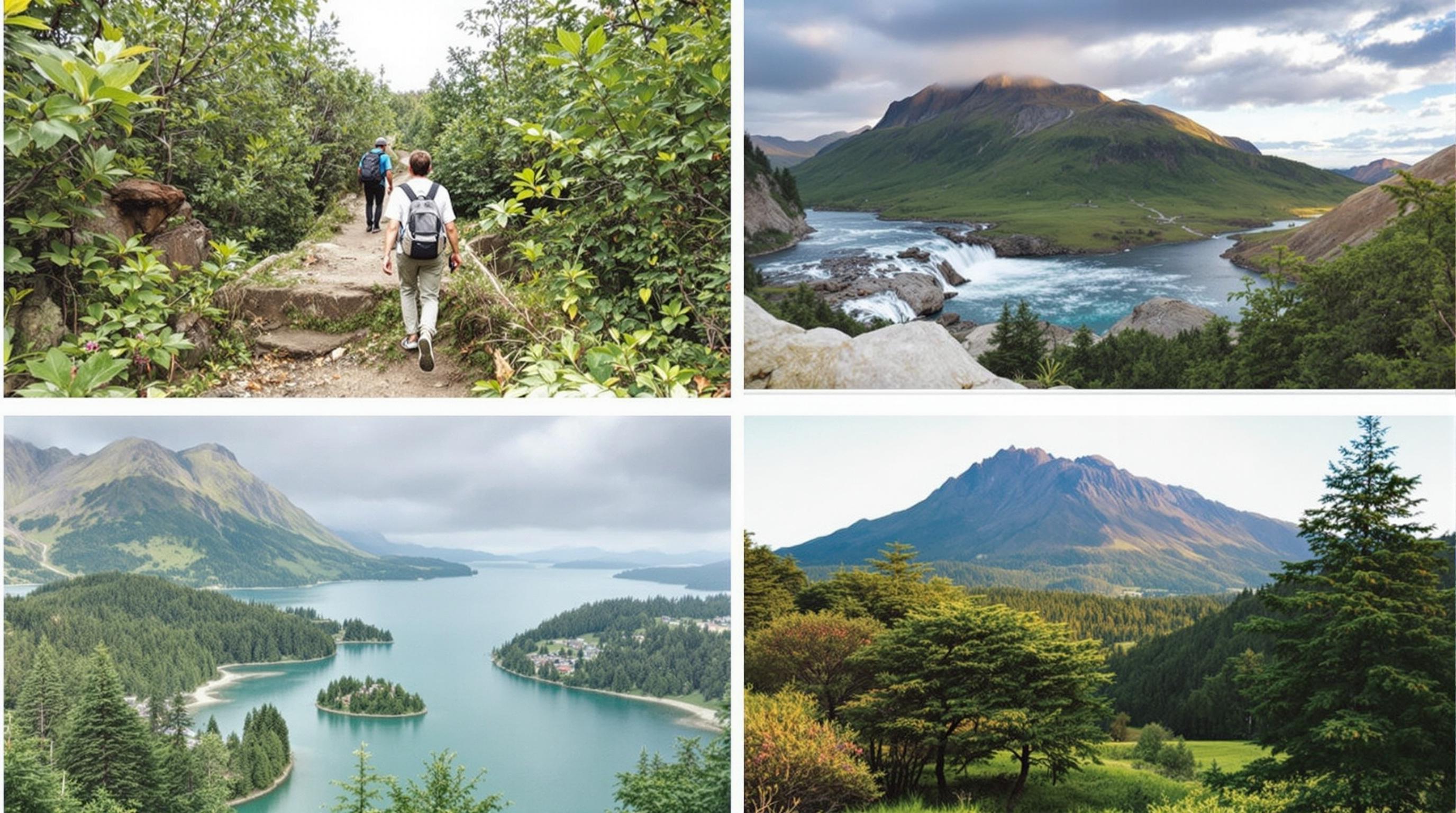
13 Unexpected Eco-Friendly Adventures That Challenge Your Perspective: Venture into the Unseen Borderlands of Nature and Culture
13 Unexpected Eco-Friendly Adventures That Challenge Your Perspective: Venture into the Unseen Borderlands of Nature and Culture
13 Unexpected Eco-Friendly Adventures That Challenge Your Perspective: Venture into the Unseen Borderlands of Nature and Culture
1. Urban Foraging Tours
Many cities are teeming with edible plants, and urban foraging is gaining momentum as a fun and educational eco-adventure. Guided tours lead participants through local parks and neighborhoods to identify wild edibles, from dandelion greens to wild garlic.
Not only do these excursions familiarize participants with local flora, but they also encourage sustainable practices by highlighting the often-overlooked bounty right at our feet. Foraging is an excellent way to develop a deeper appreciation for the ecosystem and understand the relationship between urban and natural spaces.
Sources like "Forage, Harvest, Feast" by the late Ellen Zachos illustrate how foraging can be both practical and enjoyable. For those looking to explore their city in a new light, urban foraging tours present an innovative blend of culture and sustainability.
2. Stay in a Treehouse Eco-Lodge
Treehouse eco-lodges nestled in the forest provide a unique experience while promoting conservation. By staying elevated in the treetops, guests enjoy stunning views and an intimate connection with nature, all while being surrounded by sustainably-built accommodation.
These lodges often focus on eco-friendly practices like rainwater harvesting, solar panels, and organic food sourcing. Staying in a treehouse is not just an adventure; it’s a commitment to supporting responsible tourism and environmental preservation.
Various destinations, from Costa Rica to the Pacific Northwest, offer such lodges that invite visitors to experience the treetop ecosystem without disturbing the local wildlife. It's a surreal way to escape the hustle and bustle of modern life.
3. Eco-Friendly Surfing Retreats
Surfing may be seen as a sport, but it’s also a philosophy rooted in a deep respect for the ocean. Eco-friendly surfing retreats encourage surfers to engage with the waves while also promoting ocean conservation. These retreats often incorporate lessons about marine ecosystems and sustainability.
Surf camps that prioritize eco-friendly practices, such as using biodegradable surf wax and promoting responsible waste disposal, foster a mindset of stewardship over the ocean. Participants learn not only how to ride the waves but also how to protect them.
Organizations like Surfers Against Sewage take this commitment further, partnering with local surfers to clean beaches and raise awareness about pollution. By choosing eco-friendly surfing retreats, adventurers can enjoy the thrill of the surf while making a positive impact on the planet.
4. Wilderness Survival Courses
Wilderness survival courses challenge participants to reconnect with nature and test their limits. Layers of modern convenience are stripped away, allowing individuals to experience the raw elements of the wild. These courses often cover essential skills like fire-making, foraging, and shelter building—all while emphasizing the importance of respecting nature.
Such experiences not only build resilience and self-reliance but also foster a profound respect for natural ecosystems. The act of learning to live in harmony with the land can shift perspectives about consumption and sustainability.
Programs like those offered by the Wilderness Awareness School focus on indigenous knowledge and sustainable practices. This invaluable education extends beyond survival skills, encompassing insights into the delicate balance we must maintain with the environment.
5. Eco-Art Retreats
Art and nature intersect beautifully in eco-art retreats, where creativity meets environmental consciousness. Artists and non-artists alike can find inspiration in the natural world and contribute to its preservation through artistic expression. Workshops may involve using natural materials or creating art that raises awareness about environmental issues.
By combining art-making with eco-friendly practices, participants can engage in meaningful discussions about the planet’s future. The act of creating becomes not only a personal journey but also a collaborative effort to inspire others to act sustainably.
Organizations like the Rauschenberg Foundation host artist residencies that emphasize environmental themes. Eco-art retreats invite individuals to explore new ways to communicate messages of conservation through creativity.
6. Renewable Energy Tours
Renewable energy tours expose adventurers to cutting-edge technologies and practices that challenge traditional energy paradigms. From wind farms to solar energy installations, these tours provide insight into how communities are transitioning to sustainable energy sources.
Participants can witness firsthand the capabilities and progress made in clean energy, often meeting the innovators behind these systems. This knowledge inspires action and raises questions about how individuals can adopt similar strategies in their own lives.
Companies like Green Tours offer environmentally responsible travel experiences that include visits to major renewable energy projects. Engaging with renewable energy initiatives refines perspectives on energy consumption and encourages discussions about sustainable living.
7. Cultural Exchange Programs
Cultural exchange programs that focus on sustainability challenges participants to become global citizens. These adventures often involve volunteering with local communities, where individuals can learn about indigenous practices and address environmental issues through a cultural lens.
Such experiences foster empathy and a deeper understanding of the diverse ways in which communities interact with their environment. Participants often return with a changed perspective, realizing the interconnectedness of cultures and ecology.
Organizations like World Wide Opportunities on Organic Farms (WWOOF) facilitate these exchanges, allowing travelers to live and work on organic farms around the world. The shared knowledge and experiences empower travelers to advocate for sustainable practices in their home communities.
8. Eco-Friendly Hiking Expeditions
Hiking expeditions tailored to sustainability encourage adventurers to explore pristine landscapes while minimizing their impact. These guided tours often involve Leave No Trace principles, teaching participants how to respect local wildlife and ecosystems.
Eco-friendly hiking not only offers breathtaking views but also cultivates a mindset of conservation. Participants learn the importance of protecting natural habitats while experiencing the transformative power of nature.
From the Appalachian Trail to Patagonia, eco-conscious hiking trips are being organized by companies committed to sustainability. Nature lovers leave these expeditions with a deeper appreciation for the wilderness and a desire to participate in conservation efforts.
9. Volunteering at Wildlife Reserves
Volunteering at wildlife reserves is a profound way to connect with nature while helping to protect endangered species. From hands-on experiences in rehabilitation efforts to environmental education programs, these adventures provide unique insights into the challenges faced by local ecosystems.
Engaging with conservationists and other volunteers fosters community while highlighting the interconnectedness of all living things. The knowledge gained through volunteering often inspires a lifelong commitment to environmental activism.
Organizations such as the World Wildlife Fund offer opportunities across the globe, from African savannahs to Amazon rainforests. Volunteers leave these experiences with a sense of responsibility to advocate for wildlife and habitats.
10. Experiential Learning through Farming
Participating in experiential learning programs on organic farms allows individuals to understand food production and sustainability deeply. Gaining hands-on experience in growing food teaches important lessons about agriculture's impact on the environment and health.
These immersive experiences often take place in diverse settings, from community gardens to advanced permaculture farms. Participants leave with practical knowledge that can be applied to their lives and engage in discussions about food systems and local economies.
According to the American Community Garden Association, experience-based learning is crucial in fostering sustainable agriculture practices. By volunteering at farms and farmland initiatives, adventurers not only contribute to local food security but also gain a fresh perspective on the complexity of food systems.
Conclusion
In exploring these 13 unexpected eco-friendly adventures, individuals challenge their perspectives on nature, culture, and sustainability. Each experience emphasizes the profound connection between ourselves and the environment, inspiring responsibility and stewardship in the face of global ecological challenges.
As we step into these diverse adventures, we learn to appreciate the intricacies of our world. Whether through foraging, art-making, or volunteering, the ultimate reward is a deeper understanding of how our actions impact both our immediate surroundings and the global community.
The journey towards sustainability is personal and unique, shaping not only our relationship with nature but also our cultural narratives. Together, we can venture into the unseen borderlands that define our shared existence, fostering a compassionate and conscientious global community.
Read More