Related Articles
- Uncharted Escapes: Navigating the Controversial Allure of Fringe Destinations and Their Untold Stories
- Uncharted Realms: The Surprising Intersection of Urban Legends and Adventure Travel in Offbeat Locations
- Curious Chronicles: Bizarre Transport Innovations Shaping Uncommon Explorations Across Unvisited Trails
- The Forgotten History of Eco-Adventuring: Learning from Indigenous Practices for Modern Exploration
- The Hidden Impact of Eco-Conscious Adventure Games on Environmental Education and Community Resilience
- Uncommon Routes: The Unexpected Appeal of Ghost Town Hikes in Eco-Friendly Exploration
15 Unforgettable Eco-Friendly Adventures You Can Share with Wildlife: Cultivate Connections Through Sustainable Experiences
15 Unforgettable Eco-Friendly Adventures You Can Share with Wildlife: Cultivate Connections Through Sustainable Experiences
15 Unforgettable Eco-Friendly Adventures You Can Share with Wildlife: Cultivate Connections Through Sustainable Experiences
1. Wildlife Safaris in Africa
Nothing compares to the thrill of observing wildlife in its natural habitat. Eco-friendly wildlife safaris in Africa allow you to witness majestic animals like elephants, lions, and rhinos while supporting local conservation efforts. Companies like Sanctuary Retreats focus on sustainable practices that minimize ecological footprints and support local communities.
These safaris often involve guided tours that educate participants about the importance of ecosystems and the species being observed, making the experience both engaging and informative. Engaging in responsible wildlife viewing helps preserve the delicate balance of nature while providing opportunities for unforgettable memories.
Choose companies that are certified by organizations like the Global Sustainable Tourism Council to ensure your adventure is genuinely eco-friendly. Remember to follow guidelines for wildlife observation to ensure minimal disruption to the animals.
2. Whale Watching in Hawaii
Whale watching is a breathtaking experience that connects travelers with the majesty of marine life. The waters surrounding Hawaii offer some of the best opportunities to observe humpback whales in their natural environment. Companies like Pacific Whale Foundation practice sustainable tourism by using eco-conscious practices during their tours.
These tours provide guided narratives about whale behavior, the significance of marine ecosystems, and conservation initiatives. Supporting these eco-friendly operators ensures that profits contribute to research and preservation projects that protect these magnificent creatures and their habitats.
Humpback whales migrate to Hawaii each winter, making it an ideal time to plan your adventure. Ensure that the company you choose abides by whale-watching guidelines to promote the safety and well-being of the whales.
3. Birdwatching in Costa Rica
Costa Rica is home to over 900 bird species, making it a paradise for birdwatchers. The country’s commitment to eco-tourism attracts travelers interested in experiencing its rich biodiversity. Eco-friendly lodges and guided tours provide educational insights while promoting sustainable practices.
By supporting local guides, you contribute to the preservation of habitats and help educate others about the importance of conservation. Birdwatching experiences often highlight the relationships between species and ecosystems, enhancing your appreciation for the natural world.
From toucans to quetzals, Costa Rica's diverse avian population provides countless opportunities to witness the beauty of avian life. When planning your trip, choose guides certified by local conservation organizations to ensure your adventure supports sustainable tourism.
4. Sustainable Camping in National Parks
Camping in national parks offers a unique opportunity to connect with nature while practicing sustainability. Parks like Yellowstone and Yosemite provide beautiful landscapes where you can immerse yourself in the great outdoors. Look for eco-friendly campsites that prioritize sustainability and minimize environmental impact.
Many parks offer educational programs where visitors can learn about local wildlife, flora, and environmental conservation efforts. Engaging with park rangers and fellow campers promotes a sense of community and shared responsibility for preserving these natural treasures.
For a truly eco-friendly camping experience, bring your own gear and adhere to “Leave No Trace” principles. This approach not only protects wildlife but also ensures that future generations can enjoy the beauty of these parks.
5. Snorkeling with Turtles in Australia
Snorkeling in the Great Barrier Reef is a dream for many underwater enthusiasts. This UNESCO World Heritage site is not only home to diverse marine life but also offers eco-friendly snorkeling tours that prioritize the protection of coral reefs and marine habitats. Look for operators that adhere to sustainable practices to conserve this natural wonder.
Participating in guided snorkeling tours enhances your understanding of marine ecosystems while providing insight into the threats faced by species such as sea turtles. Educational aspects of these tours help raise awareness about the importance of coral reef conservation.
Respecting marine life and adhering to guidelines while snorkeling helps minimize disturbance to these delicate ecosystems. Engaging with conservation groups further allows you to contribute to ongoing preservation efforts in the area.
6. Eco-Friendly Hiking Trails
Hiking offers another opportunity to experience wildlife while being environmentally conscious. Trails in places like Patagonia and the Appalachian Mountains provide stunning landscapes, along with diverse flora and fauna. Sustainable hiking practices include opting for guided eco-tours that promote conservation and trail maintenance.
Engaging with knowledgeable guides encourages education about the environment, the ecosystem's balance, and real-life conservation strategies. This enriches the hiking experience, fostering deeper connections with nature.
Ensure you follow Leave No Trace guidelines while hiking to preserve trails and protect wildlife habitats. By choosing trails that emphasize sustainability, you can enjoy your adventure while contributing to the preservation of the beauty that surrounds you.
7. Responsible Fishing Expeditions
Fishing can be a wonderful way to connect with nature, but it should be done responsibly to prevent overexploitation of aquatic resources. Responsible fishing expeditions, such as catch-and-release trips, enable you to engage with wildlife while promoting sustainable fishing practices. Join eco-tour operators who prioritize conservation methodology.
These trips often include educational components, informing participants about sustainable fishing techniques, the lifecycle of species, and local ecosystems. This awareness promotes a greater understanding of the impacts of fishing on marine life.
By participating in sustainable fishing expeditions, you help maintain aquatic biodiversity. Diligently following fishing regulations and supporting local conservation initiatives further cements your role in preserving marine habitats.
8. Wildlife Rehabilitation Volunteering
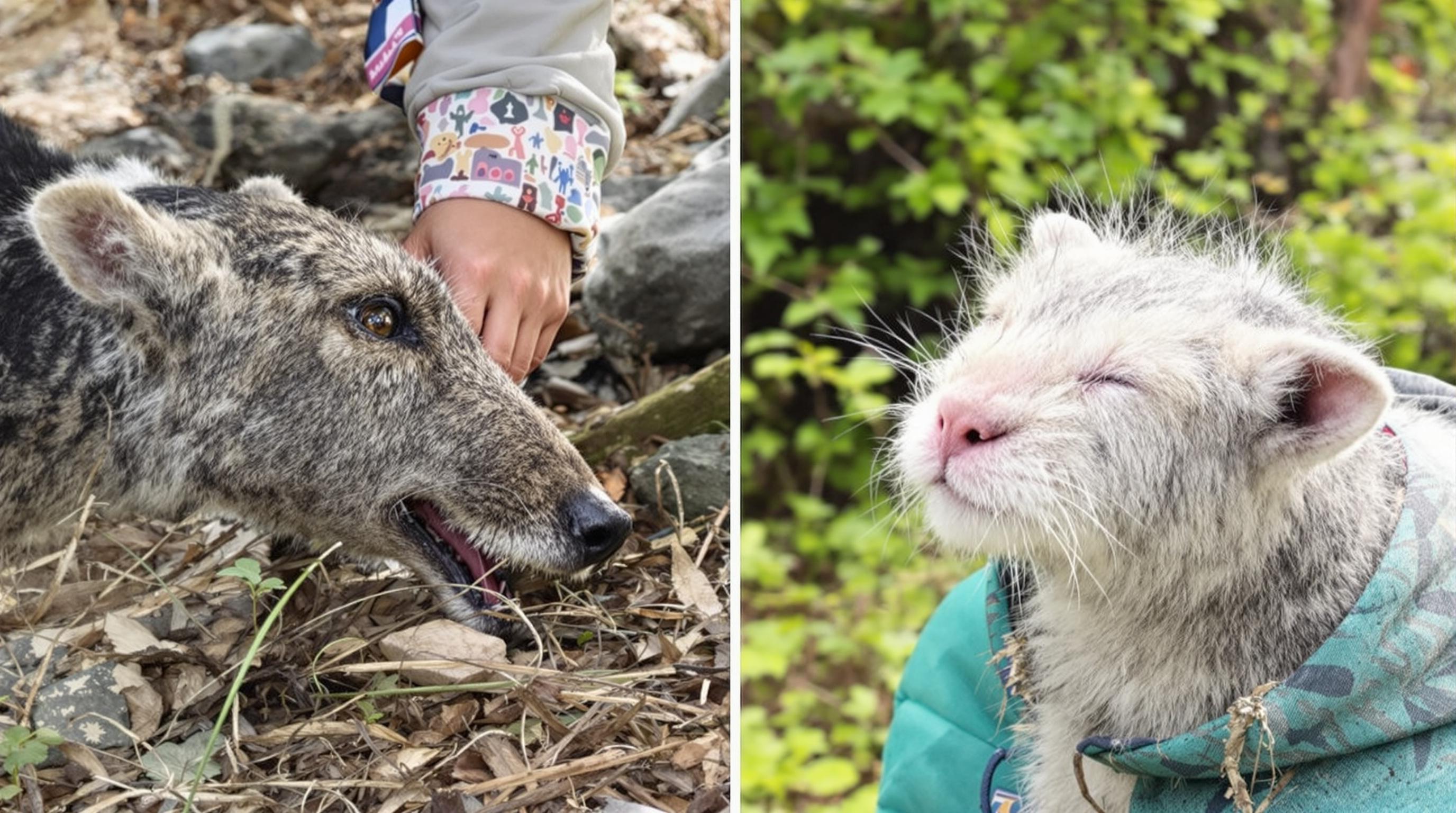
Volunteering at wildlife rehabilitation centers is a deeply rewarding experience that gives you the chance to make a tangible difference. Organizations around the world rely on volunteers to help care for injured and orphaned animals. By dedicating your time, you cultivate a profound connection with wildlife while supporting conservation efforts.
Many rehabilitation centers offer educational sessions where you learn about animal behavior, conservation issues, and rehabilitation techniques. This knowledge makes your volunteer experience even more enriching as you witness the impact of your efforts on animals' recovery and eventual release into the wild.
Research organizations to ensure they follow ethical practices in caring for wildlife. Your contributions can play an essential role in fostering a greater understanding of the importance of wildlife conservation and animal welfare.
9. Eco-Tourism in the Amazon Rainforest
Exploring the Amazon rainforest is an immersive experience that highlights the biodiversity of our planet. Eco-tourism initiatives in the region often include guided tours led by local indigenous guides who share their expertise regarding the area's ecosystems and traditions. This direct engagement enhances cultural appreciation while promoting conservation.
Many eco-lodges in the Amazon are built using sustainable materials and practices, ensuring minimal impact on the surrounding environment. These accommodations empower local communities through eco-friendly tourism, fostering economic opportunities while preserving their natural heritage.
Respecting the rainforest's delicate ecosystems is essential during your visit. By participating in eco-tourism initiatives, you help protect the Amazon while creating lasting memories of a once-in-a-lifetime adventure.
10. Nature Photography Workshops
Nature photography workshops not only improve your photographic skills but also deepen your appreciation for wildlife and raw landscapes. Participants often explore national parks or wildlife reserves under the guidance of professional photographers who teach eco-conscious practices while capturing breathtaking images.
These workshops often promote responsible wildlife photography, emphasizing the importance of maintaining a safe distance from animals and respecting their habitats. By connecting with nature through the lens of a camera, you cultivate a stronger bond with the environment and the creatures that inhabit it.
Many workshops also incorporate conservation discussions, fostering awareness about the need to protect natural wonders. By engaging in nature photography, you can contribute to wildlife conservation through your images, inspiring others to appreciate and protect these environments.
Whether you are exploring the African savannah, snorkeling in vibrant reefs, or volunteering in a wildlife rehabilitation center, these eco-friendly adventures allow you to connect deeply with nature while promoting sustainable practices. Choose experiences that align with your values, and embrace the opportunity to make positive contributions to wildlife and the environment. Adventure awaits!
Read More