Related Articles
- Uncharted Escapes: Navigating the Controversial Allure of Fringe Destinations and Their Untold Stories
- Uncharted Realms: The Surprising Intersection of Urban Legends and Adventure Travel in Offbeat Locations
- Curious Chronicles: Bizarre Transport Innovations Shaping Uncommon Explorations Across Unvisited Trails
- The Forgotten History of Eco-Adventuring: Learning from Indigenous Practices for Modern Exploration
- The Hidden Impact of Eco-Conscious Adventure Games on Environmental Education and Community Resilience
- Uncommon Routes: The Unexpected Appeal of Ghost Town Hikes in Eco-Friendly Exploration
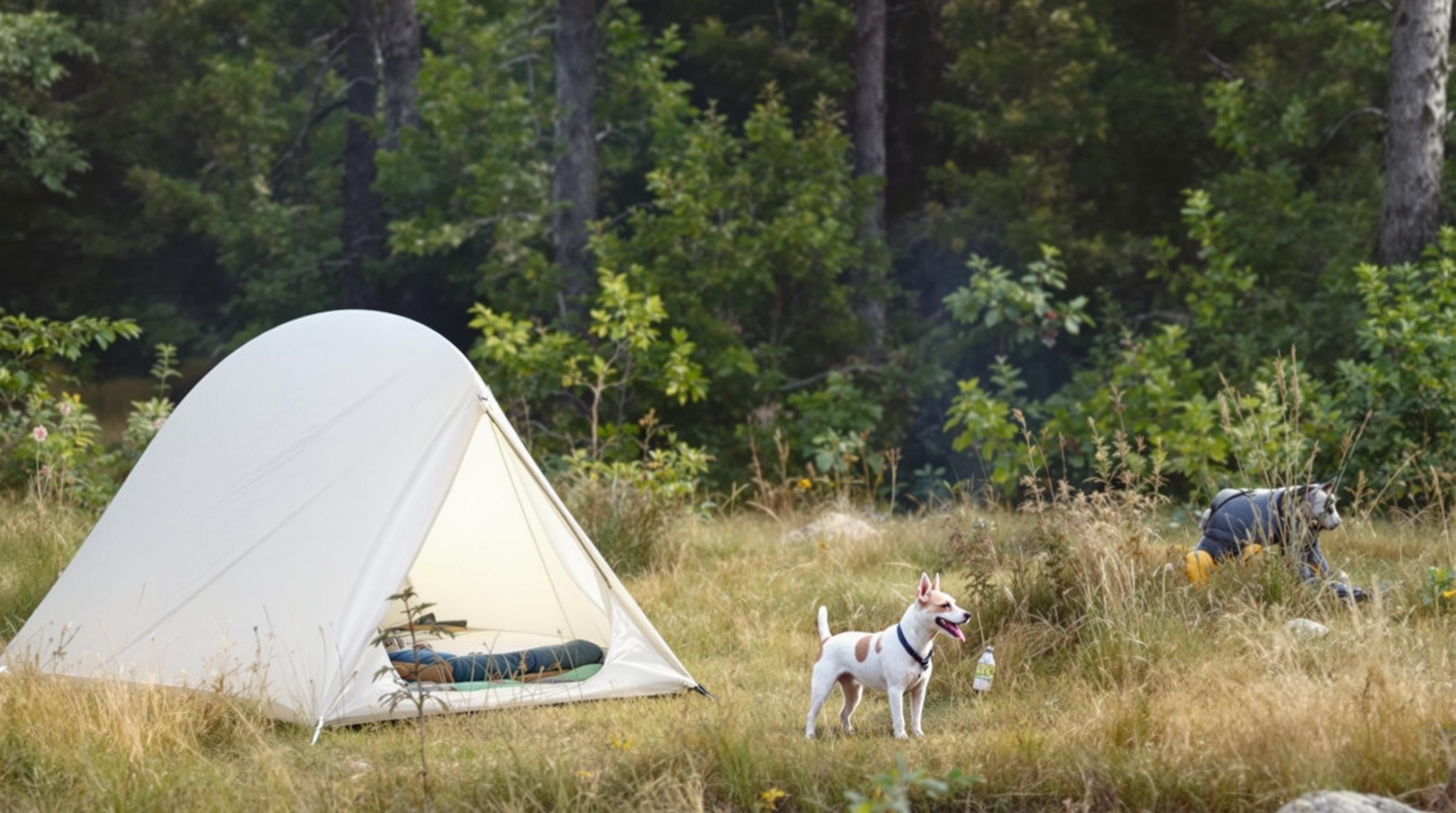
Navigating Nature: The Rise of Minimalist Camping and Its Unexpected Benefits for the Planet
Navigating Nature: The Rise of Minimalist Camping and Its Unexpected Benefits for the Planet
The trend of minimalist camping is not just a lifestyle choice; it's a movement that benefits both individuals and the planet. By embracing simplicity in the great outdoors, campers are discovering profound personal fulfillment while contributing to environmental stewardship.
Understanding Minimalism in Camping
Imagine a campsite devoid of the usual clutter of high-tech gadgets, oversized tents, and towering RVs. Minimalist camping embraces the beauty of simplicity, encouraging adventurers to return to the roots of outdoor exploration. The idea is to carry only the essentials—think lightweight gear, a few clothes, and a small stove. This approach allows for a deeper connection with nature while minimizing our impact on the environment.
The Allure of Less
For many, the decision to switch to minimalist camping stems from a desire to escape the chaos of modern life. According to a recent study by the American Psychological Association, spending time in nature can dramatically reduce stress levels and promote mental well-being (American Psychological Association, 2020). The act of downsizing possessions not only cultivates mindfulness but also opens the door to the rich experiences that nature has to offer.
A Personal Journey: From Overloaded to Simplified
At 25, I found myself dragging an enormous backpack filled with everything but the kitchen sink on a solo hiking trip. After a few days, I realized I was more concerned with my gear than my surroundings. That’s when I stumbled onto the minimalist camping movement. I slimmed down my load to a compact sleeping bag, a small tent, and my trusted cooking set. Suddenly, the focus shifted from keeping up with my gear to fully immersing myself in nature’s wonders.
The Ecological Benefits of Minimalist Camping
One of the most compelling advantages of minimalist camping is its positive impact on the environment. A 2019 report from the World Wildlife Fund indicated that outdoor recreation is responsible for a significant amount of waste and pollution (WWF, 2019). By limiting what we carry into the wilderness, we generate less trash and reduce our carbon footprint.
Statistics: The Impact of Outdoor Gear Waste
According to the Outdoor Industry Association, in 2021, Americans spent $887 billion on outdoor recreation, which included the purchase of new gear and equipment. Much of this gear ends up in landfills, with some estimates suggesting that up to 90% of outdoor gear is discarded within a year of use (Outdoor Industry Association, 2021). In contrast, minimalists often seek gear that is durable and long-lasting, thereby alleviating some of the environmental burdens associated with mass consumerism.
Simple Gear for Complex Experiences
Think of minimalist gear as an enabler for adventures. Lightweight tents, portable water filters, and multi-tools might be all you need to enhance your outdoor experience. A tent, like the REI Co-op Flash Air 2, weighs just 2 lbs. 9 oz. and packs down to the size of a water bottle, allowing backpackers to hike to remote locations with relative ease (REI, 2023). The magic of minimalist camping is in how the right gear can unleash the spirit of exploration and discovery.
The Shift Toward Sustainability
But it’s not just about saving on gear; it's about saving the planet. A 2020 survey by the National Park Service found that 97% of campers are concerned about the environment and eager to adopt sustainable practices while enjoying outdoor activities (National Park Service, 2020). Minimalism fits seamlessly into this ethos. With fewer possessions to worry about, campers are naturally inclined to clean up after themselves, respect wildlife, and practice Leave No Trace principles.
Case Study: The Rise of the One Bag Movement
In recent years, we've seen an intriguing trend known as the "One Bag Movement," where travelers and campers aim to pack everything they need into a single bag. This includes clothing, camping tools, and personal items, reinforcing the idea that less is indeed more. Take the story of Mike Smith, a 38-year-old minimalist camper from Oregon, who has perfected this art. Smith spends months on the road, camping with just a 40-liter backpack. He emphasizes that this approach not only simplifies his life but also leads to exciting encounters with nature and fellow adventurers.
Conversations Around the Campfire
Minimalism encourages a deeper connection with others, too. By prioritizing experiences over possessions, minimalist campers often find themselves having deeper conversations with fellow campers around the fire. They share stories, discuss the beauty of the wilderness, and bond over roasted marshmallows—all unencumbered by the distractions of modern technology.
Educating Future Generations
Leading the way to a more environmentally conscious future, minimalist camping also sets a great example for younger generations. Programs in schools that incorporate outdoor education stress the importance of living sustainably, asking students to embrace minimalism in their own lives. According to the Children & Nature Network, kids who spend time in nature show a lower propensity for anxiety and depression disorders (Children & Nature Network, 2021). Teaching our youth the importance of nature can instill a framework for a more sustainable future.
A Global Perspective
Globally, minimalism in the outdoor space is gaining traction as societies strive to reduce their carbon footprints. Countries like Sweden and Finland are reporting an upsurge in "lightweight" hiking, where trekkers take only the essentials on their journeys. In Sweden, for instance, a robust network of trails and campsites encourages people to explore and camp more sustainably. This is a marked contrast to a 2018 study that found that nearly 50% of campers in the U.S. are still using traditional, heavy camping gear (Sustainable Camping Journal, 2018).
Marketing Minimalist Camping
As the minimalist camping movement grows, so does its market appeal. Companies are launching gear designed specifically for the minimalist camper. Brands like Big Agnes and Sea to Summit are producing high-quality, lightweight products that embrace the minimalist ideology. Yet, this awakening brings a paradox: while minimalist camping promotes reducing consumption, the demand for specialized gear must also shift toward sustainability in manufacturing practices.
The New Adventure Awaits
As this movement continues to gain momentum, it is essential for us as individuals and communities to engage responsibly with nature. The rise of minimalist camping is not merely a trend; it is a lifestyle choice that fosters personal growth while facilitating environmental sustainability. You may find that once you've stripped away the excess and focused on the core elements of your outdoor experience, the rewards are not just personal, but planetary as well.
Persuasion: Embrace Minimalism Today
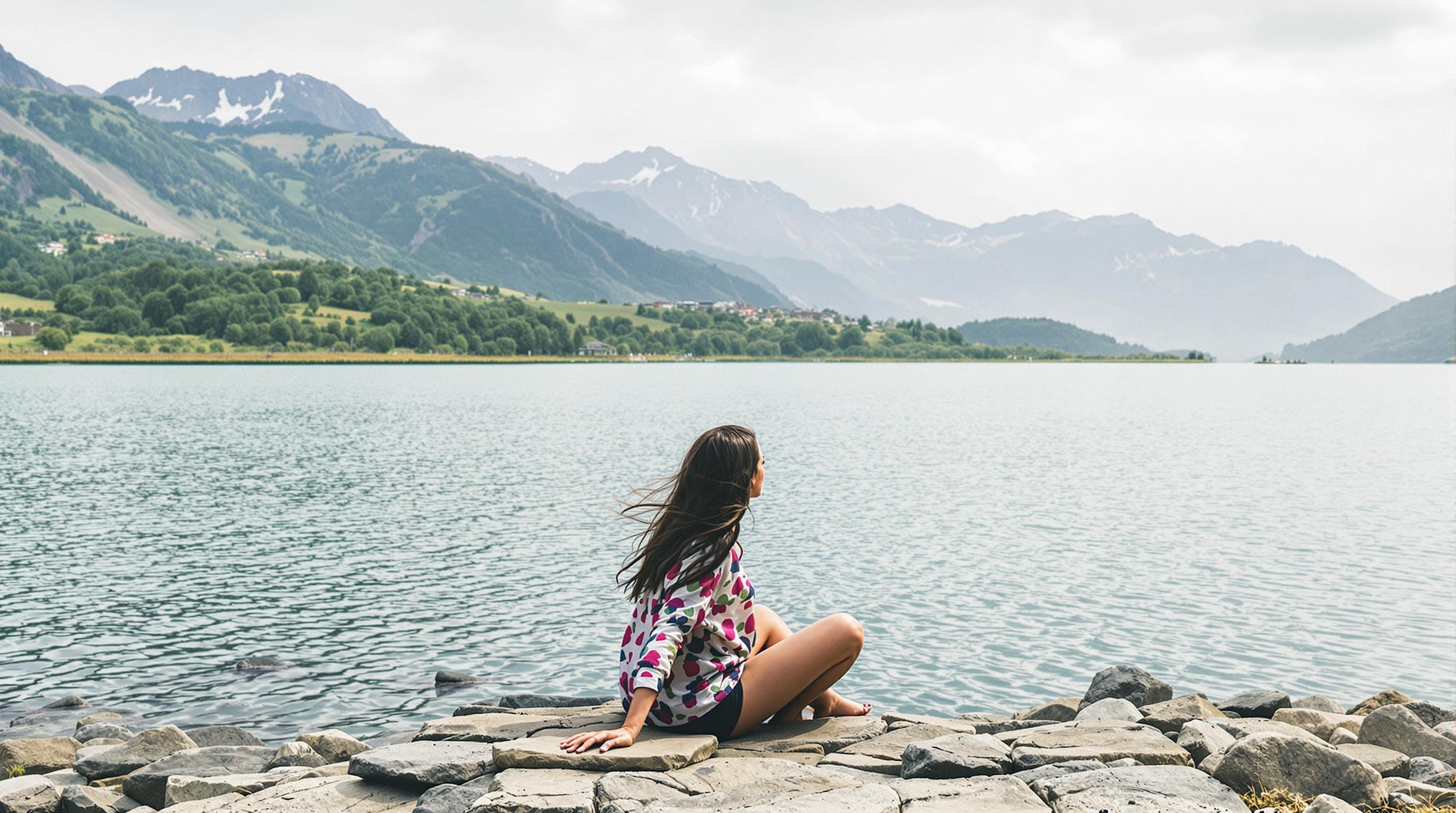
So why not ditch the excess and experience the thrill of minimalist camping for yourself? Not only will it likely improve your mental health, but it also grants you the opportunity to expand your ecological footprint positively. Imagine hiking to a pristine lake with nothing but the essentials—can you feel the liberation? Grab your gear, head out, and join the ranks of those who are championing a sustainable future.
Conclusion: The Symbiosis of Individual and Planetary Benefits
In the end, minimalist camping is about more than what we bring and leave behind; it is a philosophy that invites us to consider our relationship with nature and with each other. By adopting this approach, we can collectively strive for a healthier planet while enriching our personal journeys. After all, nature doesn’t need more stuff—it needs more mindful adventurers. So, pack light, get outside, and let the simple beauty of the world surround you.
Read More