Related Articles
- Uncharted Escapes: Navigating the Controversial Allure of Fringe Destinations and Their Untold Stories
- Uncharted Realms: The Surprising Intersection of Urban Legends and Adventure Travel in Offbeat Locations
- Curious Chronicles: Bizarre Transport Innovations Shaping Uncommon Explorations Across Unvisited Trails
- The Forgotten History of Eco-Adventuring: Learning from Indigenous Practices for Modern Exploration
- The Hidden Impact of Eco-Conscious Adventure Games on Environmental Education and Community Resilience
- Uncommon Routes: The Unexpected Appeal of Ghost Town Hikes in Eco-Friendly Exploration
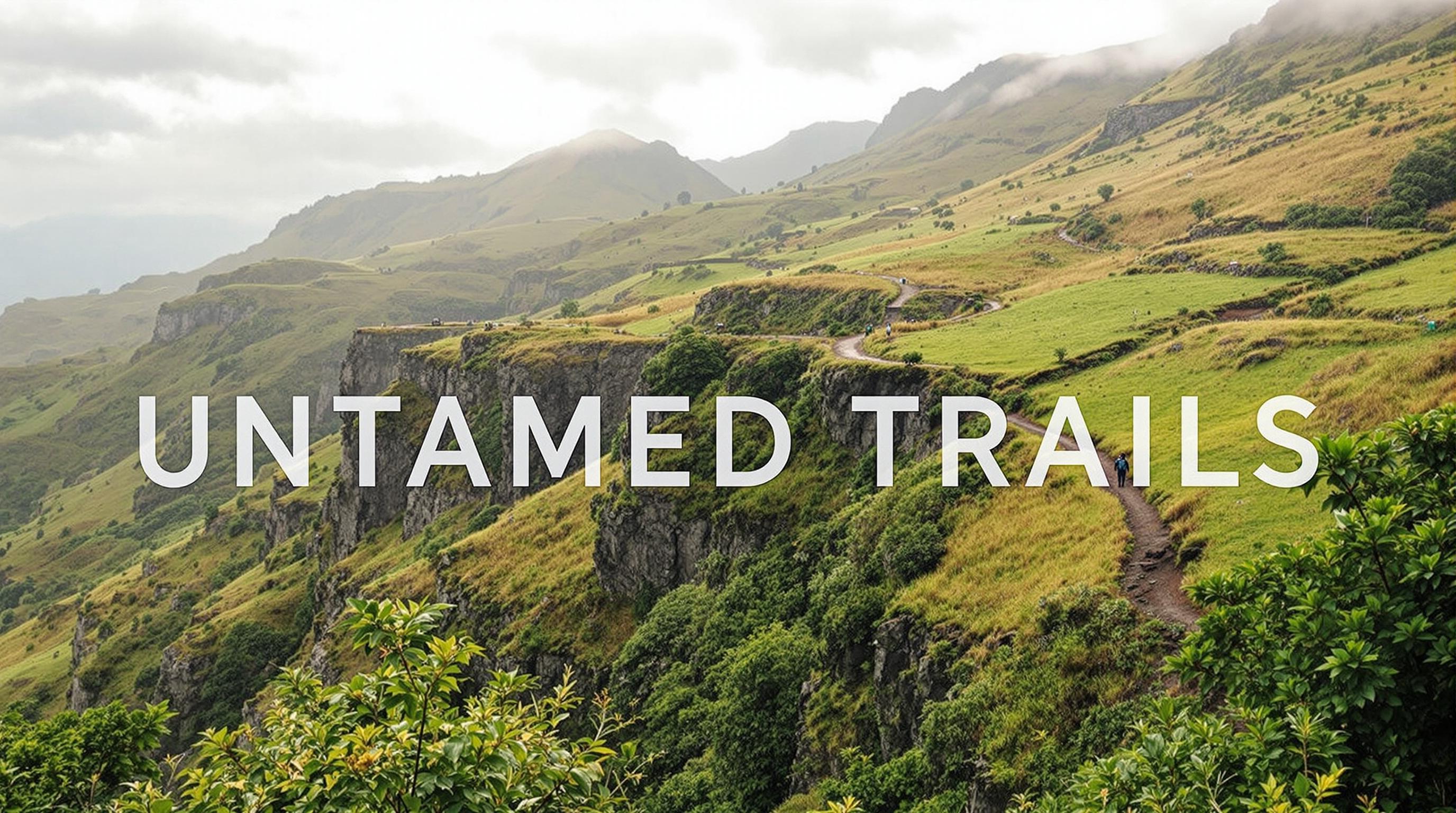
Untamed Trails: The Unlikely Alliance Between Eco-Tourism and Ancient Traditions in Sustainable Exploration
Untamed Trails: The Unlikely Alliance Between Eco-Tourism and Ancient Traditions in Sustainable Exploration
In a world increasingly focused on sustainability, the relationship between eco-tourism and ancient traditions serves as a testament to the power of collaboration. This article explores the untamed trails where these two forces intersect, showcasing how local communities' rich heritage enriches eco-tourism while ensuring their survival and preservation.
Eco-Tourism: More Than Just Buzzwords
Have you ever considered what eco-tourism truly means? For many, it might conjure up images of hiking through lush rainforests or lounging on a pristine beach while minimizing your carbon footprint. According to the Global Eco-tourism Network, eco-tourism is defined as responsible travel to natural areas, conserving the environment, and improving the well-being of local people (Cernaian, 2022). This movement has gained significant momentum due to the rising global awareness of environmental issues, indicating that people not only want to travel but also to travel responsibly.
In 2021, the global eco-tourism market was valued at approximately $181 billion and is projected to reach $300 billion by 2025 (Market Research Future, 2021). This financial surge emphasizes a collective shift in consumer behavior towards sustainability, as more travelers seek experiences that offer a meaningful connection to nature and local cultures.
The Heartbeat of Culture: Ancient Traditions
Now, let’s pivot to ancient traditions. Imagine trekking through the highlands of Peru to the sound of pan flutes while the vibrant textiles of the Andean community catch your eye. These snapshots of cultural heritage create a profound relationship between travelers and local communities. Many of these ancient practices serve not only as cultural markers but as ways to protect and honor the environment. For example, the indigenous Incas practiced agriculture using terraced farming techniques that reduced soil erosion, allowing their communities to thrive for centuries without degrading the ecosystems they called home.
But here’s where things get even more interesting: what if the modern world leaned into these ancient traditions even more? By integrating these practices into eco-tourism, regions that might otherwise have been lost to the tides of globalization could reclaim their cultural significance, all while fostering ecological health. It’s like a matchmaking game—a little bit of this and a little bit of that—spurring both ecological and cultural renaissance!
Case Studies: Success Stories
One exciting example is the partnership between the Maasai community in Tanzania and eco-tourism ventures like Maasai Mara. Here, travelers have the opportunity to experience traditional Maasai culture—beadwork, dances, and storytelling—while also contributing to the preservation of the Serengeti ecosystem. In fact, the income generated from eco-tourism has provided financial backing for local schools and medical facilities, transforming the lives of community members (Smith & Mchura, 2023).
In the Brazilian Amazon, initiatives have emerged that blend eco-tourism with indigenous knowledge. Organizations like the Kayapo tribe have begun to welcome tourists into their territory, offering guided tours that emphasize the sustainable use of resources. As a result, not only has biodiversity conservation improved, but locals have also witnessed a considerable increase in their income—by up to 50% (Global Forest Coalition, 2022). This win-win situation fosters both an appreciation of the environment and the indigenous cultures entwined within it.
Bridging the Gap: Traditional Practices in Modern Settings
How do we bring the wisdom of ancient traditions into a modern context? It starts by fostering partnerships between eco-tourism operators and local community leaders. These alliances must empower communities to showcase their rich heritage while ensuring financial returns stay local. For instance, the Indigenous Tourism Association of Canada actively collaborates with First Nations communities to package experiences that honor their practices—whether it’s fishing using traditional methods or storytelling by the fire. The resulting experiences are not only unique but freshly invigorated by their ancestral roots.
Data and Trends: What Do Travelers Want?
According to a recent survey by Booking.com, 73% of global travelers want to travel sustainably, with more than half willing to change their plans to have a positive impact on local communities (Booking.com, 2023). This indicates a clear demand for experiences that are not only eco-friendly but culturally enriching as well. A traveler seeking authentic experiences is likely to value the stories behind the places they visit just as much—or more!—than the scenery.
Greater Acceptance Through Humor—Sometimes, You Just Have to Laugh
Let’s not forget a crucial aspect of eco-tourism and tradition: the humor and unpredictability of nature and culture! Have you ever tried explaining your eco-friendly camping gear to a local community? Picture this: a well-meaning traveler saying, “This tent is made from recycled water bottles,” while being met with a bewildered look from an elder who has never seen anything beyond a hand-woven hammock. Moments like these remind us that while we protect the environment, culture breathes life, and sometimes that means embracing the ridiculousness that comes with it!
Sustainable Exploration: A Lifestyle Choice
More than just a vacation plan, sustainable exploration becomes a lifestyle choice, a shift in philosophy that acknowledges our place within the ecosystem. No longer is travel merely about capturing moments on camera and collecting souvenirs; it’s about leaving behind stories and, more importantly, a positive impact. Just as eco-tourism melds with ancient practices, our exploration can also weave into the fabric of sustainability.
For young travelers aged 16-24, adopting this mindset can forge lifelong habits. Young people today are more spiritually inclined; they are likely to seek inspiration in adventure, meaning, and authenticity, blending new-age practices with deep-rooted traditions. Picture a group of teens deciding to forgo the typical beach resort for a village homestay; they leave not just with a suntan but with stories of resilience and communal strength.
The Future: Preserving Our Legacy
So, what does the future hold for this unlikely alliance? As eco-tourism embraces ancient traditions, it’s essential to approach this integration respectfully and responsibly. The key to success lies in authentic collaboration that honors local people and their cultures. Initiatives need to be developed not just for the enjoyment of tourists but also for the preservation of life, nature, and heritage.
Innovations in technology can also play a monumental role. With tools such as VR, experiences can be brought to the masses digitally, allowing for a broader understanding of tradition and place while potentially minimizing the environmental footprint of tourism. Imagine a museum exhibit that brings a tribe’s rituals to life without actual travel—an exploration of culture that reverberates in the digital realm!
A Call to Action: Travelers and Operators Unite
As travelers, educators, and eco-tourism operators, we must unite in this mission toward sustainable exploration. For travelers, this is about making conscious choices, supporting local economies, and preserving the sanctity of ancient traditions. Are you a traveler? Consider asking yourself: Am I choosing to support businesses that partner with local communities? Are my adventures contributing to environmental and cultural preservation?
Travel operators and platforms must prioritize ethical practices, ensuring that community voices are not only heard but amplified. It’s crucial to foster a supportive network that champions fair compensation for local guides, invest profits back into communities, and maintain ecological integrity as the backbone of tourism offerings.
Conclusion: An Ongoing Journey
In the words of famed environmentalist Jane Goodall, “What you do makes a difference, and you have to decide what kind of difference you want to make.” The journey of eco-tourism and ancient practices is not about a finish line—it’s a continuum where both coexist and flourish. Together, we can travel mindfully, allowing the untamed trails of our planet and its ancient cultures to guide our exploration toward a sustainable, shared future.
So, pack your bags, tune into the rhythms of the world, and let nature and tradition lead the way! Let’s embrace the unexpected and find joy in this beautiful, tangled web of eco-tourism and culture!
As we forge ahead, our paths will undoubtedly weave back and forth between the present and the past, shaping a legacy that not only honors both but cherishes them in sheer delight.
References:
Cernaian, M. (2022). The Eco-tourism Revolution: Bringing Our Choices to the Heart of Adventure. Journal of Sustainable Travel.
Market Research Future. (2021). Eco-tourism Market Research Report.
Smith, A., & Mchura, L. (2023). The Transformation of Local Economies through Eco-tourism. Community Development Journal.
Global Forest Coalition. (2022). The Amazon under Threat: Indigenous Communities and Eco-tourism. Environmental Studies Journal.
Booking.com. (2023). Sustainable Travel Survey Results.
Read More