Related Articles
- Uncharted Escapes: Navigating the Controversial Allure of Fringe Destinations and Their Untold Stories
- Uncharted Realms: The Surprising Intersection of Urban Legends and Adventure Travel in Offbeat Locations
- Curious Chronicles: Bizarre Transport Innovations Shaping Uncommon Explorations Across Unvisited Trails
- The Forgotten History of Eco-Adventuring: Learning from Indigenous Practices for Modern Exploration
- The Hidden Impact of Eco-Conscious Adventure Games on Environmental Education and Community Resilience
- Uncommon Routes: The Unexpected Appeal of Ghost Town Hikes in Eco-Friendly Exploration
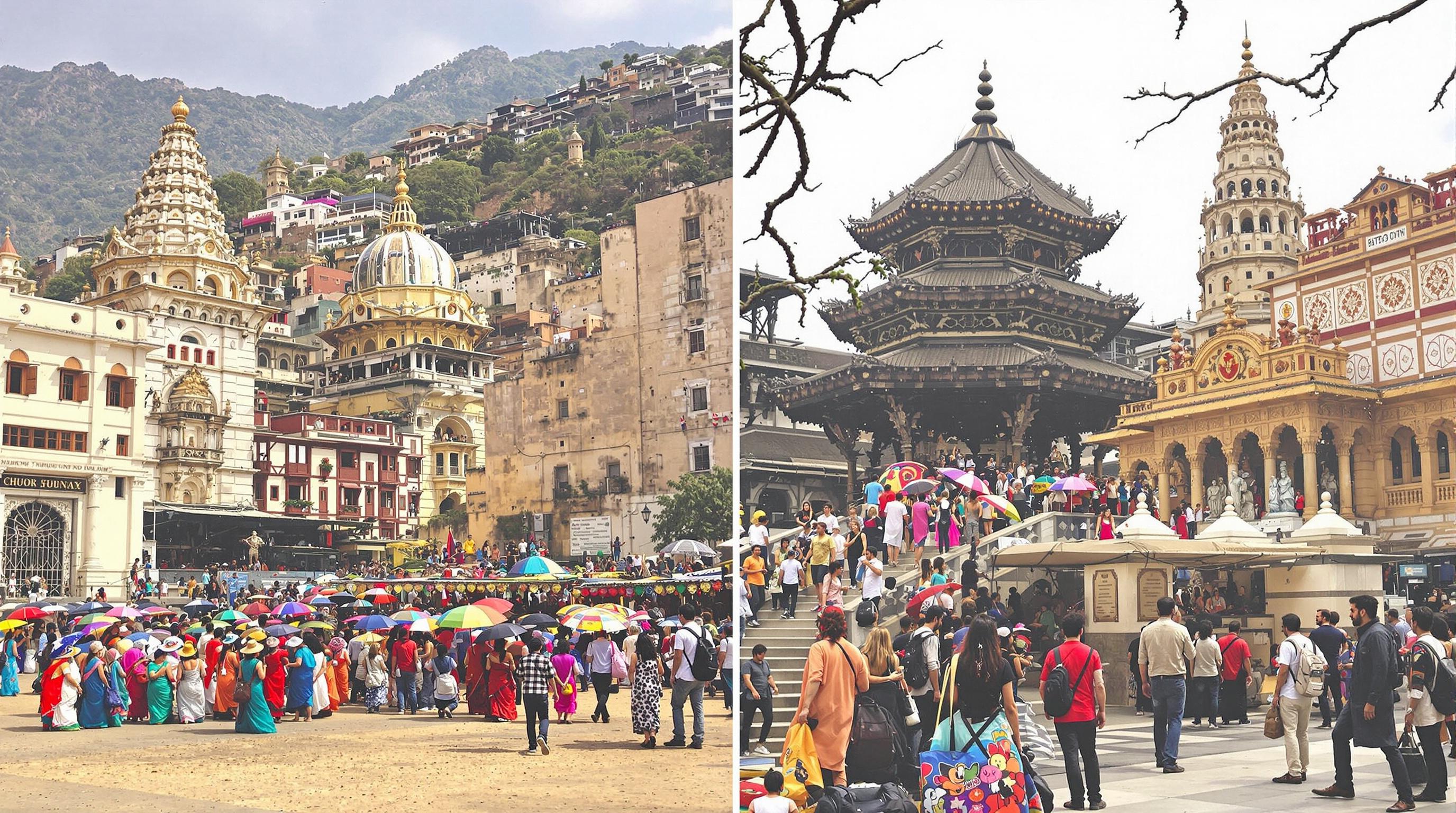
10 Cultural Crossroads: Delving into the World’s Most Enriching Destinations Through their Unique Festivals and Traditions
10 Cultural Crossroads: Delving into the World’s Most Enriching Destinations Through their Unique Festivals and Traditions
10 Cultural Crossroads: Delving into the World’s Most Enriching Destinations Through their Unique Festivals and Traditions
1. Rio de Janeiro, Brazil - Carnival
The world-renowned Rio Carnival encapsulates the vibrancy and joy of Brazilian culture. Each year, millions flock to the city to partake in a grand spectacle of music, dance, and color. Originating in the 18th century, this festival marks the feast before Lent, traditionally featuring parades led by samba schools, each competing for the coveted title of the best in the city.
The festival is not just a feast for the eyes; it also serves as a complex social commentary on Brazil’s diverse heritage. Each school’s performance tells a story that reflects the colorful tapestry of Brazilian life, from African roots to indigenous narratives. Indeed, the rhythms of samba, borne from African traditions, resonate deeply with the nation’s history.
Visitors often find themselves entranced by the electrifying performances and the palpable sense of unity among participants and spectators alike. The intimate connections formed in the exuberance of Carnival endure long after the last float has departed. As author and sociologist Paulina A. Schmidt remarks, “Carnival is the moment when our divides dissolve into rhythm and celebration.”
2. Kyoto, Japan - Gion Matsuri
Gion Matsuri, held annually in July, is one of the most important festivals in Japan, celebrated in the ancient capital of Kyoto. This month-long event honors the Yasaka Shrine and showcases elaborate floats known as yama and hoko. The festival’s origins trace back to 869 AD when it began as a purification ritual to appease the spirits during an epidemic.
What truly sets Gion Matsuri apart is its perfect blend of contemporary culture and deep-rooted traditions. The procession of floats, with their intricate designs and the accompanying music, reflects centuries of craftsmanship and cultural pride. Each float tells a story, often linked to historical events or Japanese folklore, providing a fascinating glimpse into the past.
The festival draws visitors not just for the spectacle but for the opportunity to engage with local artisans, taste traditional foods, and witness the beautifully attired participants. The sense of community is palpable, making each visitor feel like a cherished guest in an enduring historical narrative. As the historian Yoshiko Matsumoto notes, “In the heart of Gion Matsuri lies the spirit of Kyoto, forever connected to its past.”
3. New Orleans, USA - Mardi Gras
New Orleans’ Mardi Gras is a wondrous celebration that embraces the city’s unique history and cultural fusion. Celebrated on Fat Tuesday, this festival serves as a vibrant prelude to Lent, characterized by parades, intricate masks, and spirited revelry. Rooted in French Catholic tradition, Mardi Gras has become an expression of the city’s rich, multicultural heritage.
The parades are led by krewes, social organizations that curate the thematic floats and elaborate costumes. Each krewe adds layers of meaning and commentary on contemporary issues, making it not only a feast for the senses but a platform for social dialogue. The importance of community involvement shines through, as locals and visitors alike join in the celebrations with infectious enthusiasm.
What makes Mardi Gras a transformative experience is the deep sense of belonging woven into its fabric. As the famous author and New Orleans native Anne Rice once remarked, “Mardi Gras is an experience of the soul, a time when everyone is invited to join the dance.” The connections made amidst the festivities become a cherished part of the city's ongoing story.
4. Jaipur, India - Diwali
Diwali, the festival of lights, is one of the most uplifting events observed across India, with Jaipur holding a special place in its heart. The festival symbolizes the triumph of light over darkness and good over evil. Celebrated in October or November, it brings together families and communities to share in the joy of new beginnings and the renewal of faith.
In Jaipur, illuminated forts, majestic palaces, and bustling bazaars come alive as homes are adorned with diyas (oil lamps) and rangolis (intricate patterns made from colored powders). The sense of togetherness is magnified through fireworks, festive meals, and the exchange of sweets, reinforcing bonds among family and friends.
Diwali encapsulates the essence of Indian culture, where tradition meets modernity, and the spirit of generosity flourishes. As celebrated author Jhumpa Lahiri points out, “Festivals like Diwali serve to remind us that light can come in many forms.” The experience leaves an indelible mark on both local and visiting hearts.
5. Venice, Italy - Carnevale di Venezia
The Carnevale di Venezia is a stunning annual event that transforms Venice into a grand theater of whimsy and enchantment. The festival, which dates back to the 13th century, is renowned for its opulent masks and elaborate costumes, allowing participants to adopt new identities and playfully engage in revelry.
Throughout the city, masked balls and lively street performances create an atmosphere of intrigue and excitement. Each mask tells a story - some symbolize elegance and grace, while others convey satire or mystery, highlighting the duality of human nature. The festival serves as a means for Venetians to reclaim agency in a world often dictated by social hierarchies.
Carnevale offers visitors a unique lens through which to view Venice's rich history while encouraging them to immerse themselves in the spirit of the festival. As the writer and artist Marina Warner says, “Masks are not just disguises; they unlock layers of truth within ourselves.” The beauty of this festival lies in its ability to connect people across generations, drawing them into the heart of Venetian culture.
6. Mexico City, Mexico - Día de los Muertos
Día de los Muertos, or Day of the Dead, is a deeply cherished tradition celebrated annually in Mexico City and beyond. This festival pays homage to deceased loved ones, demonstrating vibrant cultural expressions of remembrance and celebration. The holiday, observed on November 1st and 2nd, integrates both indigenous and Spanish customs, creating a unique blend of spirituality and festivity.
Colorful altars adorned with photographs, marigolds, and traditional foods symbolize the connection between the living and the dead. Families gather to share stories and honor their ancestors, reinforcing the notion that love transcends death. The lively parades and music reflect a joyous celebration of life amidst the poignant themes of memory and loss.
Día de los Muertos fosters a remarkable sense of community, as people come together to celebrate their collective heritage. As acclaimed author Jordi Soler writes, “In remembering, we celebrate life, bridging the past and present.” The festival transcends cultural boundaries, inviting all to partake in the communal embrace of shared memories and traditions.
7. Edinburgh, Scotland - Hogmanay
Hogmanay, Scotland's New Year celebration, is a time steeped in rich tradition and communal spirit. Celebrated on December 31st, it marks the end of the old year and the arrival of the new, featuring a blend of rituals that reflect centuries of Scottish heritage. The festivities vary across the country, but the Edinburgh celebration is famed worldwide for its grandeur and pageantry.
Edinburgh transforms into a winter wonderland, with torchlight processions, live music, and fireworks igniting the night sky. One of the most cherished traditions is “first-footing,” where the first person to enter a home after midnight is believed to bring good luck for the coming year. This practice fosters a sense of community, with people visiting neighbors and friends, strengthening bonds in the process.
The spirit of Hogmanay lies in its inclusive nature, welcoming locals and visitors to partake in the celebration. Historian Fiona Watson captures this essence, stating, “Hogmanay offers a moment of reflection while igniting the anticipation of the year ahead.” The shared joy of the occasion leaves lasting memories that linger long into the new year.
8. Lagos, Nigeria - Eyo Festival
The Eyo Festival, one of Nigeria’s most compelling cultural celebrations, takes place in Lagos and is dedicated to honoring the memory of the deceased Oba (king). This traditional festival, characterized by its vibrant masquerades and processions, serves as both a spiritual and cultural hallmark of the Yoruba people. Celebrated on various occasions, it often features beautifully crafted costumes adorned with intricate beads and feathers.
Participants, known as “Eyo,” wear flowing white garments, signifying purity and the spirit of the departed, and lead the festivities through the streets of the city. The festival also serves as a reminder of the rich heritage and history of Lagos, showcasing the resilience and artistry of the Yoruba culture. Additionally, it is a time for communal gathering, storytelling, and reinforcing social ties.
The Eyo Festival is more than just a spectacle; it is an expression of identity and continuity. As cultural scholar Toyin Falola states, “Eyo represents a rich narrative woven into the fabric of Lagos.” Those who experience this vibrant celebration find themselves becoming part of a larger story, experiencing the unyielding spirit of the Yoruba traditions.
9. Istanbul, Turkey - Ramadan
Ramadan in Istanbul is a time of reflection, unity, and community spirit during the holy month for Muslims. The city, straddling the divide between Europe and Asia, embraces the traditions of fasting and prayer, inviting both locals and visitors to partake in the rituals observed throughout. As the sun sets, families gather to break their fast with iftar meals, often shared among neighbors and friends.
During this period, the ambiance of Istanbul transforms with the sounds of the call to prayer resonating throughout the city. It is a season marked by charitable acts, increased spirituality, and an emphasis on communal ties. The Istanbul skyline, adorned with the glow of lanterns, creates a picturesque backdrop to the heartfelt gatherings taking place below.
Ramadan reminds participants of the importance of empathy and understanding, fostering intercultural connections. As Islamic scholar Amina Wadud notes, “Ramadan is both a personal and communal uplifting, uniting us in our shared values.” The essence of Istanbul emerges during this sacred time, offering profound insights into the many facets of Turkish culture and the spirit of generosity.
10. Cape Town, South Africa - Cape Town International Jazz Festival
The Cape Town International Jazz Festival is an annual celebration that brings together musicians and lovers of jazz from around the globe. Often referred to as “Africa’s Grandest Gathering,” this festival takes place in late March and showcases a thrilling lineup of both local and international talent. It is a transformative experience that transcends borders, uniting diverse cultures through the universal language of music.
The festival not only highlights the evolution of jazz but also serves as a platform for social issues, reflecting the rich and tumultuous history of South Africa. Panel discussions and workshops provide insight into the intersections of music and society, allowing for meaningful dialogue among attendees about art's role in advocating for change.
As proclaimed by Cape Town’s former mayor Patricia de Lille, the festival “celebrates diversity and fosters unity.” The Cape Town International Jazz Festival embodies the spirit of collaboration, providing a space for cultural exchange and creating lasting bonds among performers and audiences alike.
Read More