Related Articles
- Uncharted Escapes: Navigating the Controversial Allure of Fringe Destinations and Their Untold Stories
- Uncharted Realms: The Surprising Intersection of Urban Legends and Adventure Travel in Offbeat Locations
- Curious Chronicles: Bizarre Transport Innovations Shaping Uncommon Explorations Across Unvisited Trails
- The Forgotten History of Eco-Adventuring: Learning from Indigenous Practices for Modern Exploration
- The Hidden Impact of Eco-Conscious Adventure Games on Environmental Education and Community Resilience
- Uncommon Routes: The Unexpected Appeal of Ghost Town Hikes in Eco-Friendly Exploration
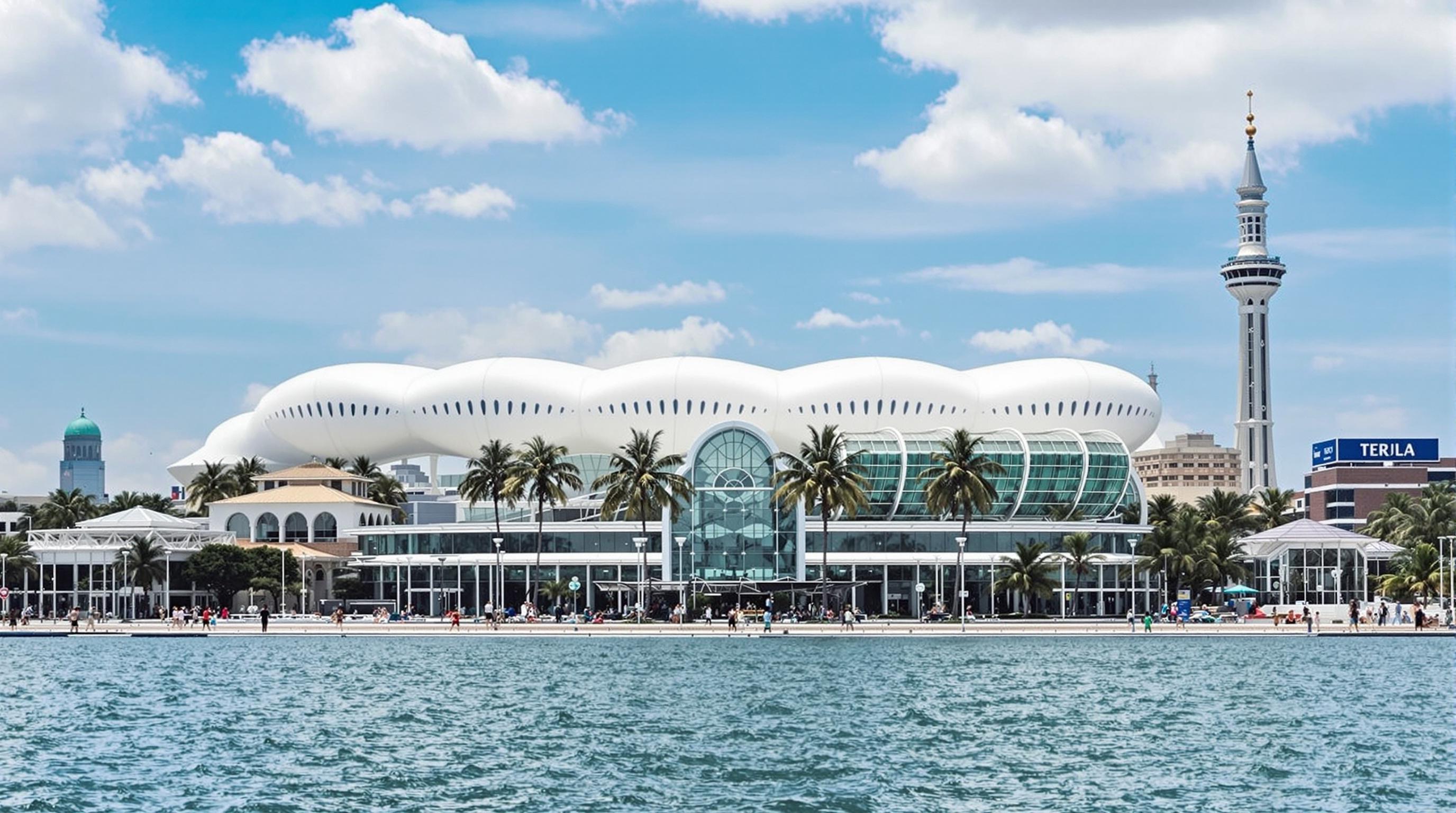
The Surprising Secrets Behind Global Travel Bans: Where You Can Go and Why It's Considered Controversial
The Surprising Secrets Behind Global Travel Bans: Where You Can Go and Why It's Considered Controversial
In a world increasingly intertwined by globalization, global travel bans emerge as perplexing yet vital responses to crises. This article explores the secrets behind these bans, their implications, and the surrounding controversies that shape our ability to travel.
The Mechanics of Travel Bans
Travel bans come in various forms, from complete restrictions on entering a country to advisories urging caution. These measures can be enacted for several reasons, including public health (as seen during the COVID-19 pandemic), security threats, and geopolitical tensions. For instance, in 2020, nearly 90% of the world's population was under some form of travel restriction due to the pandemic (United Nations, 2020).
A Case Study: The COVID-19 Pandemic
Never before had the world witnessed such widespread travel bans as it did during the COVID-19 pandemic. The bans, implemented by nations worldwide, aimed to contain the virus's spread but also led to significant controversy. In the U.S., for example, the travel bans on countries like China, which started in January 2020, were met with both support and criticism. Some saw them as necessary preemptive measures, while others viewed them as xenophobic or ineffective.
The Controversial Nature of Travel Bans
Travel bans often spark heated debates. Critics argue that they can foster discrimination against certain groups and deepen geopolitical divides. For example, the travel ban imposed on several predominantly Muslim countries by the U.S. government in 2017 raised eyebrows and resulted in protests across the country. The controversy surrounding these bans often overshadows the intended public safety benefits.
Perspectives on Safety vs. Freedom
On one hand, governments emphasize the necessity of travel bans for protecting public health and safety. On the other, such restrictions can be seen as an infringement on personal freedom. A survey by the Pew Research Center in 2021 revealed that 63% of Americans were in favor of international travel restrictions during the pandemic (Pew Research Center, 2021). Yet, as the world attempts to balance safety and individual rights, the conversation continues to be multifaceted and often heated.
The Gray Area of Travel Restrictions
Interestingly, not all travel bans are created equal. Some countries impose restrictions based on nationality, while others consider vaccination status. For instance, while many European Union nations welcomed vaccinated travelers from specific countries during the pandemic, others maintained restrictions on unvaccinated individuals, regardless of their home country.
Statistical Insights
According to the World Bank, global tourism dropped by 74% in 2020 due to travel restrictions (World Bank, 2021). This decline affected economies reliant on tourism, significantly impacting jobs and livelihoods. Countries like Thailand saw their GDP shrink by nearly 6% that year, highlighting how interconnected global economies are with travel freedom.
Humor in the Face of Adversity
Let’s face it: when travel gets banned, people get creative. From the infamous “staycation” to virtual vacations via Zoom, many found ways to cope with the restrictions. Not to mention, memes about the absurdity of 2020 travel restrictions went viral, capturing the peculiar moment in our history where “Netflix and Chill” coined a whole new meaning to leisure. Who knew we could find humor in cancelled flight tickets?
How Forging Connections Can Get You Around Travel Bans
Some individuals navigate travel bans by exploiting loopholes or establishing connections. Knowing a local can make all the difference. It’s almost like having a secret key to unlock a door that others are barred from entering. For instance, during the pandemic, some digital nomads found ways to remain in countries with stringent regulations by applying for long-term visas or taking advantage of lesser-known entry points.
Personal Accounts: Tales of Travel During Restrictions
Imagine this: you’re in a foreign country, sipping on a piña colada, only to discover your flight home has been cancelled because of a sudden travel ban. Such was the case for my 25-year-old friend Ben, who found himself stuck in Bali for three months during the onset of COVID-19. Initially devastated, Ben eventually embraced the situation, immersing himself in local culture and yoga classes, turning what could've been a nightmare into an unexpected adventure!
The Way Forward: Evolving Travel Policies
As we move past the pandemic, many countries are reevaluating their travel policies. The WHO and the CDC suggest more targeted restrictions rather than blanket bans, which may become the norm in the future. A country like New Zealand, which managed to remain largely COVID-free during the height of the pandemic through strict borders, is starting to ease restrictions while maintaining precautions (New Zealand Ministry of Health, 2021).
The Role of Vaccination
In the post-pandemic world, vaccination status may become a new focal point for travel decisions, as seen in the introduction of vaccine passports. Countries like Israel have led the charge, offering simplified entry to vaccinated individuals, making others potentially feel left out. Statistics show that 74% of travelers are now more likely to travel where they can show proof of vaccination (Skyscanner, 2021).
Voices from the Travel Industry
Experts from the travel industry emphasize the need for balance. “We don’t want to disregard public safety, but our industry relies on the ability for people to move freely,” says Samantha, a travel agent with over 20 years of experience. She believes that, while bans may be necessary in times of crisis, there must be a roadmap towards restoring normalcy gradually.
What Lies Ahead?
The future of travel will be shaped by the lessons learned during recent times, leading us to question not just where we can go, but why we should. With ongoing discussions about sustainability, safety, and social responsibility, travel may evolve into something more conscientious—where travel bans become less about separation and more about community health.
The Bottom Line
Global travel bans are complex, rooted in public safety and socio-political contexts. While they can be effective, they often incite heated debates, challenge freedoms, and alter global tourism dynamics. However, amid the controversies, there lies an opportunity for growth, adaptation, and perhaps a more resilient approach to traveling as we embrace the unexpected twists and turns of our ever-changing world.
Final Thoughts
As we turn the page to a new chapter of travel, it is essential to reflect on how restrictions affect us personally and collectively. Whether you're 16 or 70, the world is waiting to be explored. Our longing to roam freely is only matched by our responsibility to ensure that when we do travel, we do so with mindfulness and respect for the world—and each other.
Read More