Related Articles
- Uncharted Escapes: Navigating the Controversial Allure of Fringe Destinations and Their Untold Stories
- Uncharted Realms: The Surprising Intersection of Urban Legends and Adventure Travel in Offbeat Locations
- Curious Chronicles: Bizarre Transport Innovations Shaping Uncommon Explorations Across Unvisited Trails
- The Forgotten History of Eco-Adventuring: Learning from Indigenous Practices for Modern Exploration
- The Hidden Impact of Eco-Conscious Adventure Games on Environmental Education and Community Resilience
- Uncommon Routes: The Unexpected Appeal of Ghost Town Hikes in Eco-Friendly Exploration
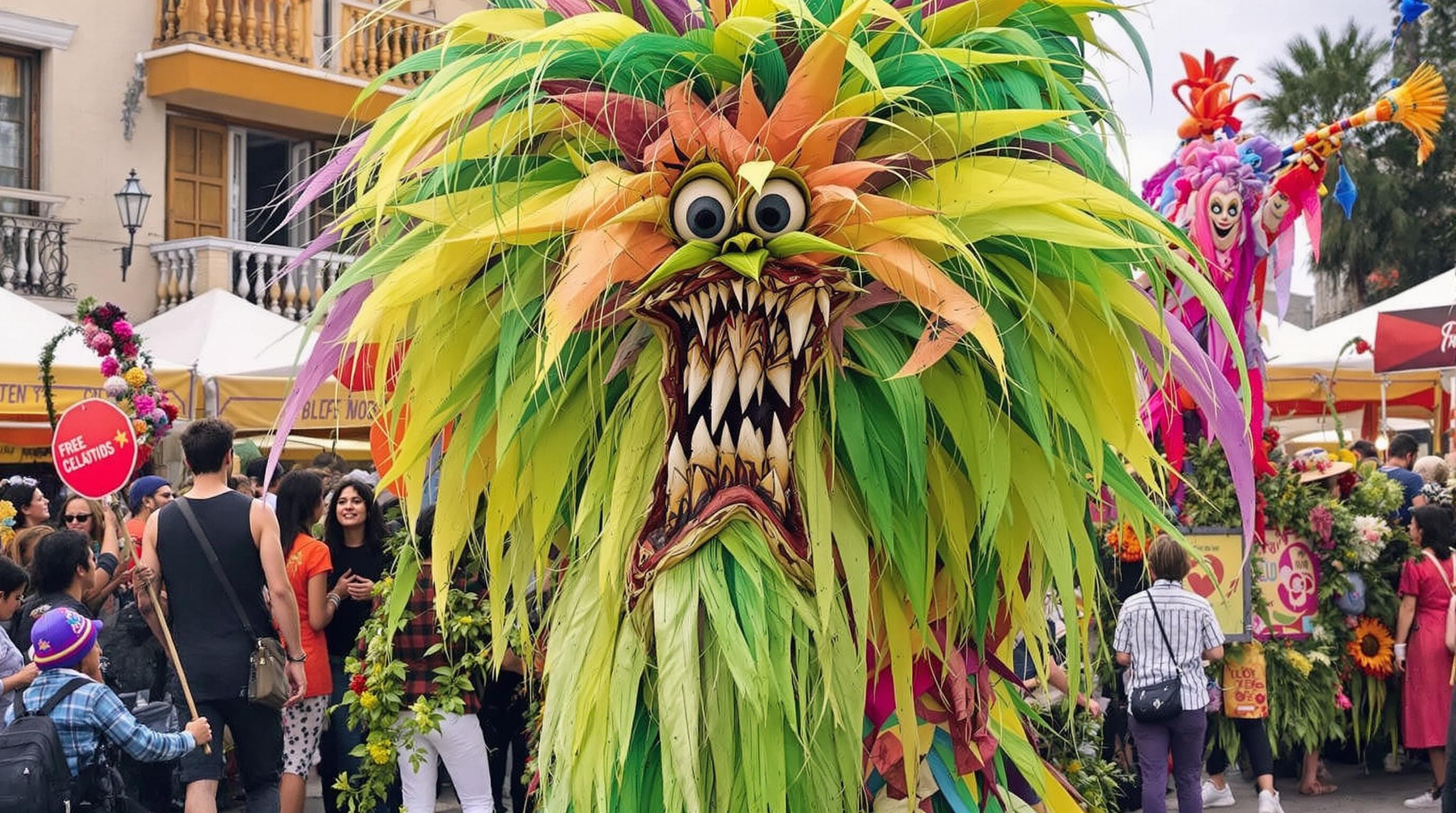
Whimsical Wonders: Discovering the World's Most Outlandish Festivals and Their Unique Cultural Significance
Whimsical Wonders: Discovering the World's Most Outlandish Festivals and Their Unique Cultural Significance
From the exuberance of Holi’s color-splashed streets to the surreal spectacle of Spain’s La Tomatina, the world is home to a plethora of whimsical festivals that capture the essence of diverse cultures. In this exploration of vibrant festivities, we delve into remarkable celebrations that not only entertain but also serve as a window into the traditions, values, and communal spirit of societies around the globe.
The Colorful Canvas of Holi
Holi, the festival of colors celebrated predominantly in India and Nepal, is a jubilant acknowledgment of the arrival of spring. On this day, throngs of people gather in the streets, armed with vibrant powders, water balloons, and an uninhibited spirit, celebrating the victory of good over evil. As twilight settles, revelers indulge in food, music, and dance, turning the day into a canvas of joyful chaos.
Statistically speaking, Holi attracts millions annually, with estimates placing participation at over 100 million people worldwide. This explosion of color is not merely a fun event; it symbolizes harmony, love, and the spirit of forgiveness, showcasing the rich tapestry of Indian culture. In many regions, it transcends the mere act of throwing colors, intertwining mythology and communal ties, signifying the triumph of celestial deities over darkness.
La Tomatina: The Debate on Waste vs. Celebration
La Tomatina, held in Buñol, Spain, is the world's most famous food fight, and a significant part of Spanish culture, drawing in around 20,000 participants who hurl overripe tomatoes at each other. On the last Wednesday of August, the usually quiet town erupts into a red, mushy battlefield, leading some to question the ethics surrounding such extravagant wastefulness. However, proponents argue it's a joyful release that fosters community and friendship while showcasing the Spanish zest for life.
In fact, this festival has grown into an international tourist attraction, generating significant income for the local economy and adding an estimated €2 million to Buñol's coffers each year. Participants, both local and international, share laughter and camaraderie, demonstrating that even amidst chaos, deeper societal connections are formed.
Running of the Bulls: Tradition or Danger?
Each July, the streets of Pamplona echo with excitement and trepidation as the San Fermin festival unfolds, culminating in the daring escapade of the Running of the Bulls. Observation suggests this tradition, which dates back to the 14th century, is a clever blend of danger and revelry that attracts thrill-seekers from across the globe. But how far does tradition uphold the ethics of animal rights vs. human thrill-seeking?
Critics argue that the event glorifies violence against animals, estimating that about 50 bulls are killed each year during the festival. Conversely, advocates assert that the event holds cultural significance, symbolizing courage and fervor. The debate continues, but one thing's for sure: Pamplona is never short on excitement every July.
Burning Man: A Temporary City of Creativity
What happens when you throw a massive festival in the heart of the Nevada desert, marked by radical self-expression and communal efforts? Enter Burning Man, an avant-garde festival where creativity knows no bounds. Every year, around 70,000 attendees gather to build Black Rock City—an ephemeral settlement that thrives for one week in late August.
Burning Man challenges societal norms; participants create art installations, participate in workshops, and unleash their creativity in profound ways, culminating in the burning of a large wooden effigy. The festival's principles encourage participation, self-reliance, and gifting, fostering an inclusive environment that invites exploration of one’s identity and communal values—elements sorely needed in modern society.
The Hunger Games of Food Festivals
Imagine a festival dedicated solely to food and its enthusiasts—where culinary skills are tested and celebrated. Enter the Great American Foodie Fest in Las Vegas, which invites food trucks and vendors from across the nation to compete for the title of ‘Best Food.’ Food festivals not only showcase regional delicacies but also highlight cultural narratives, with flavors and recipes revealing historical tapestries of the communities involved.
Consider this: a survey by the National Restaurant Association reports that nearly 70% of consumers said they love trying new foods at festivals. This statistic underlines the power of these festivals to bridge cultures through the universal language of cuisine, proving that food is not merely sustenance but a significant aspect of societal identity.
The Quirky Tradition of Cheese Rolling
Every spring, enthusiasts dive headlong down a steep hill in Gloucestershire, England, chasing a wheel of cheese—this is the oddity known as Cheese Rolling at Cooper’s Hill. Though seemingly nonsensical, the tradition attracts thousands of spectators and participants every year, embodying the lighthearted spirit of English rural culture. The event, which has roots tracing back several centuries, exemplifies how even quirky traditions can foster community pride and joy.
Participants face steep hills and gravity but continue persevering for the thrill or the coveted cheese prize. Talk about commitment! Interestingly, the event has faced its share of challenges, including safety objections, yet locals argue its rich historical relevance outweighs such concerns.
Colorful Celebrations: The Unique Cultural Significance
Beneath the whimsical exterior of these festivals lies profound cultural significance, often tied to historical events, seasons, or ancestral rites. Festivals, whether colorful or chaotic, serve as reflections of societal values, aspirations, and beliefs, impelling individuals to reconnect with their roots.
At the heart of these celebrations is community, a sentiment echoed through shared experiences, laughter, and collective memory-making that stretches across borders. This influence on social cohesion and collective identity enables participants to cultivate a sense of belonging and mutual respect.
Festivals as Economic Activators
Moreover, these gatherings contribute to local economies. A staggering 88% of cities with festivals reported significant increases in tourism revenue, according to a study by the National Association of Festivals. Beyond mere entertainment, these festivals play a vital economic role, breathing life into local businesses while simultaneously promoting cultural heritage.
The Element of Surprise: The Gion Matsuri Festival
In Kyoto, Japan, the Gion Matsuri stands as a convergence of aesthetics, history, and spirituality. Renowned for its elaborate floats and rituals, this festival stretches over a month, entailing parades, traditional performances, and age-old ceremonies that celebrate the local Shinto deities.
What sets this festival apart is not just its visual splendor; it signifies the resilience of Japanese culture, showcasing meticulous craftsmanship and community solidarity in the face of modernity. Generating significant tourist traffic, it also serves as a gentle reminder of the need for heritage preservation in an ever-changing world.
Humor in Tradition: The International Beard and Moustache Championships
As bizarre as it may seem, the International Beard and Moustache Championships celebrates the art of facial hair. What began as a local contest has now evolved into a global phenomenon where participants flaunt their facial hair in unique styles, advocating for self-expression. Attended by diverse participants and their equally unique facial hair creations, these championships infuse humor into culture while highlighting beard culture’s eclectic community.
With over 300 competitors globally, this light-hearted festivity bridges gaps between cultures, reminding us that sometimes the most whimsical traditions can unravel narratives about community and identity.
The Fabric of Global Culture
As we navigate through cultures and continents, the whimsical wonders of festivals are found at every turn, offering a kaleidoscopic view into humanity's creative spirit. Whether through exhilarating events like La Tomatina or the deep-rooted traditions of Gion Matsuri, these gatherings echo humanity’s shared dream of connection, celebration, and creativity.
So, the next time you think of a festival, remember it's not just about the celebration. It serves as a conduit for understanding, a celebration of life in all its splendor and uniqueness. Be it color, chaos, or creativity, these outlandish festivals remind us of our rich shared tapestry—the wonderful world we create together.
Read More