Related Articles
- Uncharted Escapes: Navigating the Controversial Allure of Fringe Destinations and Their Untold Stories
- Uncharted Realms: The Surprising Intersection of Urban Legends and Adventure Travel in Offbeat Locations
- Curious Chronicles: Bizarre Transport Innovations Shaping Uncommon Explorations Across Unvisited Trails
- The Forgotten History of Eco-Adventuring: Learning from Indigenous Practices for Modern Exploration
- The Hidden Impact of Eco-Conscious Adventure Games on Environmental Education and Community Resilience
- Uncommon Routes: The Unexpected Appeal of Ghost Town Hikes in Eco-Friendly Exploration
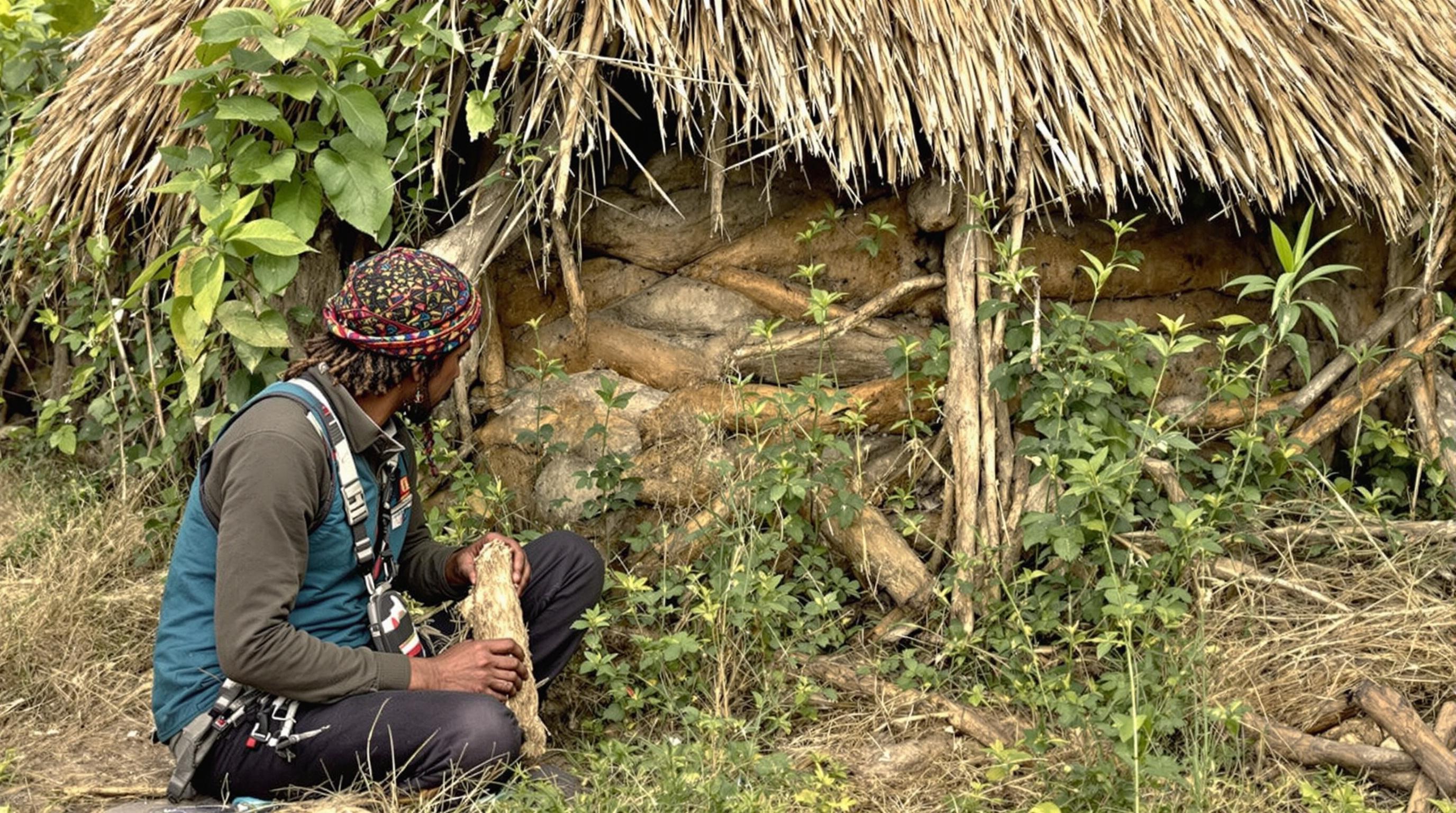
Whispers of the Road Less Traveled: Exploring Vanishing Cultures in Remote Destinations
Whispers of the Road Less Traveled: Exploring Vanishing Cultures in Remote Destinations
In an age racing forward with technology and uniformity, there lies a treasure trove of disappearing cultures waiting to be explored in remote corners of the world. This article takes you on a journey through these vanishing worlds, emphasizing the importance of preservation and understanding, while offering stories that are both enlightening and entertaining.
Understanding Cultural Homogenization
For centuries, unique cultures have thrived around the world, each contributing to the vibrant tapestry of human heritage. However, as globalization tightens its grip, some experts predict that up to 90% of the world’s languages could become extinct by 2100 (United Nations Educational, Scientific and Cultural Organization, 2021). It is a sobering statistic that underscores the urgency of our quest to connect with these shrinking cultures before they disappear entirely.
Once upon a Time in Tana Toraja
Imagine stepping into the lush, undulating hills of Sulawesi, Indonesia, where the Tana Toraja people continue to practice elaborate ancestral rituals focused on death and remembrance. Every year, the Toraja hold a ritual called “Rambu Solo,” where families showcase their wealth and love for the deceased through extravagant funerals. This celebration lasts for days and includes feasting, dancing, and even the sacrifice of buffalo, symbolizing the rich tapestry of their belief system that cherishes the connection between the living and the souls of their ancestors.
However, as intermarriage with outside cultures increases, fewer Toraja are willing or able to participate in these time-honored ceremonies. While some might view this as a natural evolution, others celebrate it as an opportunity for revitalization, feeling that nothing can replace the authentic experience these rituals provide.
The Language of the Huichol
In the Mexican Sierra Madre, the Huichol people are known for their colorful beadwork and intricate yarn paintings that tell the stories of their spiritual gods and way of life. This culture speaks a language, Wixárika, that has persisted despite external pressures. According to a recent study, less than 5% of indigenous Mexican languages are currently promoted in school curriculums, which has far-reaching implications for cultural transmission (National Institute of Indigenous Peoples, 2022).
While tourism could bring financial benefit, communities like the Huichol tread carefully between embracing outside influence and preserving their unique identity. The battle they face is not merely about economic survival but maintaining the depth of their world—a challenge echoed in cultures around the world.
A Tourist's Perspective: The Ethical Quandary
As a traveler, immersing oneself in these cultures often raises an ethical dilemma. Inhabitants of remote destinations sometimes feel like mere spectacles for tourists, showcasing their traditions for an audience rather than for themselves. One might wonder, can a balance be struck? Can tourism promote cultural appreciation without commodification? As global citizens, it's vital that we educate ourselves on ethical travel practices, prioritizing interaction with and respect for local inhabitants.
Enter the Digital Nomads
As someone born in the digital age, it’s intriguing to witness the emerging tribe of “digital nomads” flourishing across the globe. For many, remote work has allowed this movement to thrive, even in the most off-the-beaten-path locales. These wandering professionals often delve deep into the traditions of the communities they inhabit, encouraging preservation through donations, skills training, and responsible tourism initiatives.
But for every positive impact, there’s a cautionary tale. The arrival of nomads can lead to cultural dilution if not approached with respect. It’s a double-edged sword that requires mutual understanding and cooperation. The point is to travel not just with your eyes but with your heart. After all, curiosity should not be a ticket to exploitation.
Bridging the Gap: Case Studies
Several organizations have begun to bridge the gap between cultural preservation and tourism. For example, the "One Heart World-Wide" initiative helps train local birth attendants in highland Nepal, blending traditional methods with modern medical practices to preserve not only life but the cultural context of childbirth in these communities. Their model of engagement is a prime example of sustainable involvement—generating income while respecting the sanctity of traditional practices.
Another notable mention is the “Cultural Heritage through Art” project in Bali, Indonesia, which focuses on preserving traditional dance and music. Participants not only learn the skills but also delve into the stories that give these art forms significance. The revival of interest among youth emphasizes that while traditional practices might be waning, they can also be reinvigorated through education and communal sharing.
Humor in Travel: The Language Barrier
Ever found yourself in a remote village trying to communicate with a local only to realize you’re gesturing wildly and saying, “I want to eat a monkey” instead of “Do you know where the bathroom is?” Despite the embarrassment, such moments underscore the beauty of crossing cultural barriers. It’s not about perfection; it’s about connection. Who knows? That miscommunication might lead to a delightful story later shared over a meager meal of rice.
Final Thoughts: The Importance of Cultural Preservation
As a 28-year-old writer who’s journeyed through various cultures, it often hits home how fleeting these experiences can be. Each unique culture offers a lesson, a worldview, and a way of life that enhances the human experience. We should advocate for the ownership of cultural narratives by the communities themselves. After all, passing through is not a one-time event but a doorway to understanding and respect.
Ultimately, the whispers of the road less traveled are a call to those who dare to listen. They invite us to step outside our comfort zones, opening up opportunities for connection and appreciation of the rich diversity that exists within the human race.
Join the Adventure
Perhaps it’s time to plan that trip to a far-off location that haunts your dreams—or, at the very least, read up on the cultures that intrigue you. Equip yourself with knowledge before diving headfirst into unfamiliar territory. Embrace the unique dialects, customs, and traditions as you foster connections that last longer than the stint of your visit. In a world ever-quickening toward uniformity, the allure of vanishing cultures serves as a reminder of the richness that still thrives. Take the plunge, respect the space you’re in, and become a part of the narrative, however briefly, that helps preserve these whispers of history.
Read More