Related Articles
- Uncharted Escapes: Navigating the Controversial Allure of Fringe Destinations and Their Untold Stories
- Uncharted Realms: The Surprising Intersection of Urban Legends and Adventure Travel in Offbeat Locations
- Curious Chronicles: Bizarre Transport Innovations Shaping Uncommon Explorations Across Unvisited Trails
- The Forgotten History of Eco-Adventuring: Learning from Indigenous Practices for Modern Exploration
- The Hidden Impact of Eco-Conscious Adventure Games on Environmental Education and Community Resilience
- Uncommon Routes: The Unexpected Appeal of Ghost Town Hikes in Eco-Friendly Exploration
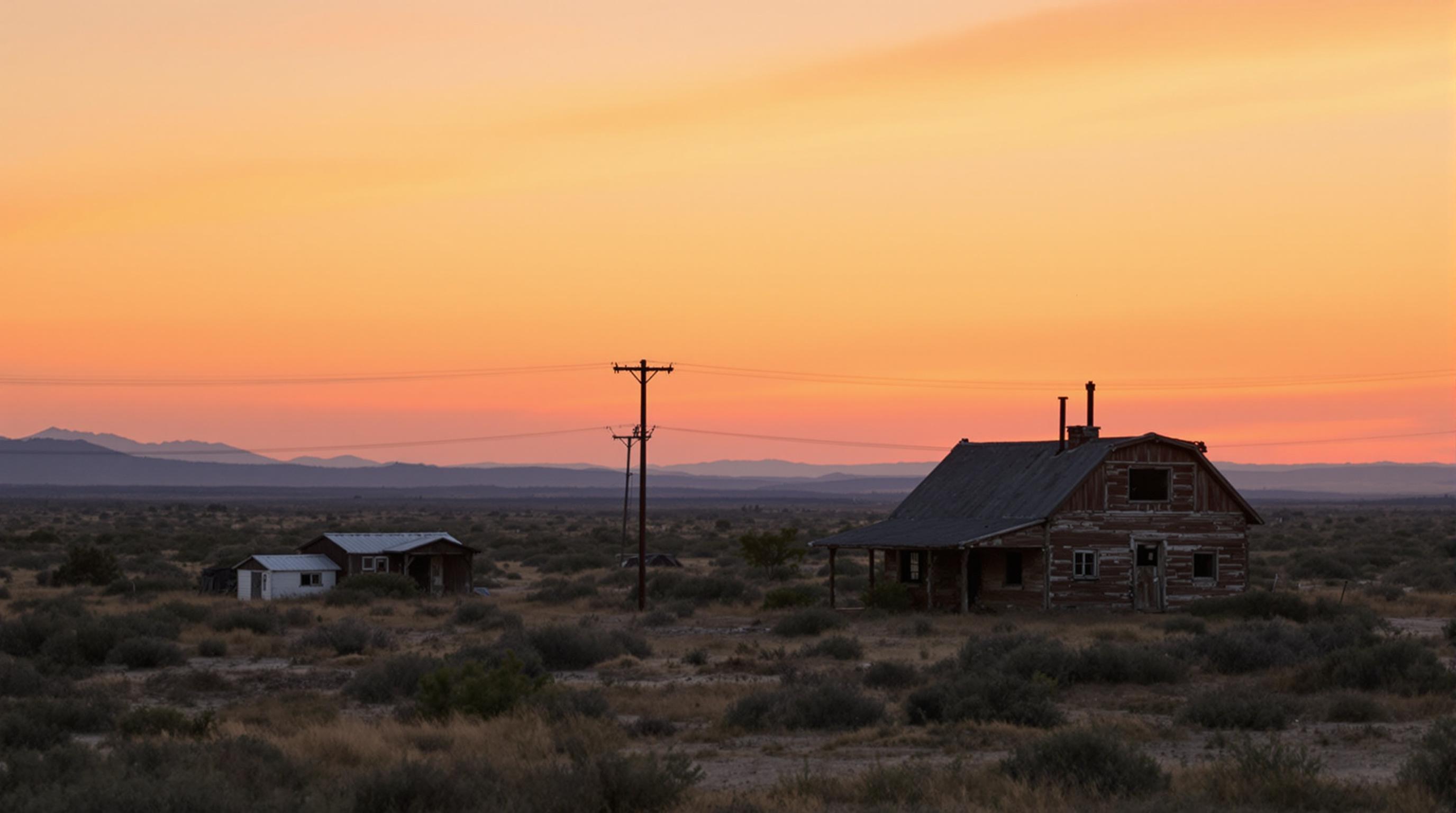
Ghost Towns and Safe Travels: Why Exploring Abandoned Places Could Boost Your Adventure and Protect You
Ghost Towns and Safe Travels: Why Exploring Abandoned Places Could Boost Your Adventure and Protect You
Exploring ghost towns and abandoned places isn’t just a thrilling adventure; it can also offer unique experiences that promote safety and mindful exploration. In this article, we’ll dive into the allure of these forgotten spaces, the precautions you should take, and how such adventures could enhance your overall travel experience.
The Allure of Ghost Towns: A Brief History
Ghost towns sing the songs of their past—places that once thrived with life, only to succumb to the ebb and flow of progress, natural disasters, or economic downturns. For example, Bodie, California, a gold-mining town, saw its population peak at around 10,000 in 1880 before a rapid decline led it to become a State Historic Park in the 1960s. Today, it stands as a window into the past, attracting nearly 200,000 tourists annually, each drawn by the stories etched into its dilapidated buildings.
Safe Travels: Precautions and Preparation
Straying from the beaten path is exhilarating, but safety should always be your top priority. Before heading to a ghost town, make sure to conduct thorough research—check local guidelines, understand property ownership (as some ghost towns are on private land), and prepare for the elements. Bring a first-aid kit, snacks, plenty of water, and most importantly, a buddy. Exploring these often-desolate areas alone can be risky due to uneven terrain, the potential for wildlife encounters, or even undisclosed structural dangers.
The Growth of Urban Exploration: A Phenomenon
Urban exploration, or “urbex,” has become a widespread hobby, especially among thrill-seekers and photographers. According to a 2021 survey by Market Research Future, the adventure tourism industry increased by 20% over the past decade, with a significant portion attributed to those seeking out off-the-grid experiences. Ghost towns provide an ideal canvas for many urban explorers eager to capture haunting photographs and discover relics of history. These locations allow travelers to reconnect with history in a way that museums cannot.
Case Study: The Benefits of Exploring Abandoned Places
A fascinating example of the transformative power of ghost towns is the story of the abandoned town of Pripyat, Ukraine. Originally constructed to house workers for the Chernobyl Nuclear Power Plant, Pripyat was evacuated in 1986 after the catastrophic disaster. Nowadays, guided tours lead travelers through this ghost town, enhancing their understanding of nuclear energy and studying its long-term effects on society. Visitors have reported feeling a profound connection to history while realizing the importance of safety and awareness in both travel and life.
Risky or Rewarding? The Myth of Dangerous Expeditions
Some people perceive the exploration of ghost towns as dangerous, akin to urban legends that suggest abandoned places are filled with mischief. However, with proper precautions, the rewards far outweigh these risks. For instance, according to a National Park Service report, over 80% of visitors to ghost towns have positive experiences and report the thrill of discovery as a primary motivator. Learning about previous residents and seeing their lives preserved in rusted artifacts is not just enlightening, but can also reignite your sense of adventure.
Storytelling: Personal Encounters with Ghost Towns
Picture this: you arrive at an old mining town, its streets lined with remnants of a bygone era. As you stumble upon an old saloon, the creaky doors swing open, revealing dusty bottles and tattered newspapers. You can't help but imagine the raucous laughter and life that once filled this space. I recall visiting an abandoned town in Texas, where amidst the silence, I found a weatherworn photograph of a family that once lived there. The juxtaposition of their hopeful smiles against the decay around me sparked an itch to find out more about their story. It was these human connections that made an immense impact.
Adventure is a State of Mind
Ultimately, the thrill of exploring ghost towns lies just beyond the frontiers of conventional tourism. There’s something liberating about wandering through the shadows of the past, where each structure has a tale to tell and every corner hides a forgotten memory. While exploring, remember that being in the moment is a crucial aspect of adventure. As noted in Adventure Journal, “Travel becomes rewarding when we approach it not only as a goal to achieve but as a story waiting to unfold.”
Humor in the Haunting
Adventuring through ghost towns can sometimes lead to unexpectedly humorous outcomes. Take, for instance, the story of a friend who decided to brave a particularly dilapidated hotel rumored to be haunted. Armed with nothing but a camera and extreme confidence, she accidentally set off a trip wire—funnily enough, it was simply an old string used for holding a broken door shut. Still shaking with adrenaline, she’s dubbed it her “ghostly alarm system.” Safe to say, she’ll think twice before entering an abandoned building solo again!
Planning Your Ghost Town Explorer’s Toolkit
If you're ready to pack your bags and set off on an abandoned adventure, consider these essentials for your ghost town toolkit: (1) Comfortable footwear—trust me, those “stylish” shoes won’t cut it when you’re navigating uneven ground. (2) A reliable camera—you’ll want to capture the beauty (or eeriness) of the town. (3) Flashlights for unexpected dark corners; (4) Portable chargers to keep your phone alive for emergencies; and importantly, (5) A notebook to document your journey and write down the stories you uncover. These tools will enhance your experience and ensure you cherish the adventure safely.
Unique Perspectives on Abandonment
Visiting ghost towns also provides a unique insight into human decisions—what leads communities to thrive or dwindle? The economic legacy of these abandoned places often reflects societal choices, such as the decline of industries or the impact of policies. Stories from towns like Centralia, Pennsylvania—a now-abandoned coal town due to an underground mine fire—reveal not just the physical disappearance of a community but a commentary on neglect and resilience. Such explorations challenge us to think critically about our own communities and the importance of preserving history.
An Intergenerational Adventure
Regardless of whether you’re 16 or 70, the appeal of ghost towns transcends age. A retired couple might find joy in photographing forgotten architecture, while teenagers can revel in the thrill of exploring. I still remember a trip I took with my grandparents to an abandoned village in the Midwest, where we shared stories of their youth alongside reflections on how times have changed. It became an enriching family experience, uniting generations through the lenses of curiosity and history.
Ghost Towns: A Global Phenomenon
While many famous ghost towns exist in the United States, such as the aforementioned Bodie and Pripyat in Ukraine, countless others dot the globe. Take Hashima Island, Japan, once a bustling coal-mining hub that became empty after coal was replaced by oil in the 1970s, or the eerie, desolate streets of Craco in Italy which are slowly being reclaimed by nature. Despite their geographical differences, these towns share the common thread of human narratives intertwined with decay and beauty—a testament to our transient existence.
Conclusion: More Than Just a Ghost Town
As we wrap up our exploration of ghost towns and abandoned places, remember that they represent more than just shadowy structures. Every decaying wall, rusting sign, and broken window tells stories of hope, ambition, and sometimes, despair. By approaching these sites with a spirit of adventure combined with a mindset of mindfulness, we can learn valuable lessons about history, resilience, and the importance of connection—both to our past and our fellow explorers.
So grab your gear, round up some friends, and set off on a ghostly adventure that promises to enrich your travels while emphasizing the safety and respect these places deserve. Happy exploring!
Read More