Related Articles
- Uncharted Escapes: Navigating the Controversial Allure of Fringe Destinations and Their Untold Stories
- Uncharted Realms: The Surprising Intersection of Urban Legends and Adventure Travel in Offbeat Locations
- Curious Chronicles: Bizarre Transport Innovations Shaping Uncommon Explorations Across Unvisited Trails
- The Forgotten History of Eco-Adventuring: Learning from Indigenous Practices for Modern Exploration
- The Hidden Impact of Eco-Conscious Adventure Games on Environmental Education and Community Resilience
- Uncommon Routes: The Unexpected Appeal of Ghost Town Hikes in Eco-Friendly Exploration
Harnessing Local Wisdom: Unconventional Safety Tips from Indigenous Cultures for Modern Travelers
Harnessing Local Wisdom: Unconventional Safety Tips from Indigenous Cultures for Modern Travelers
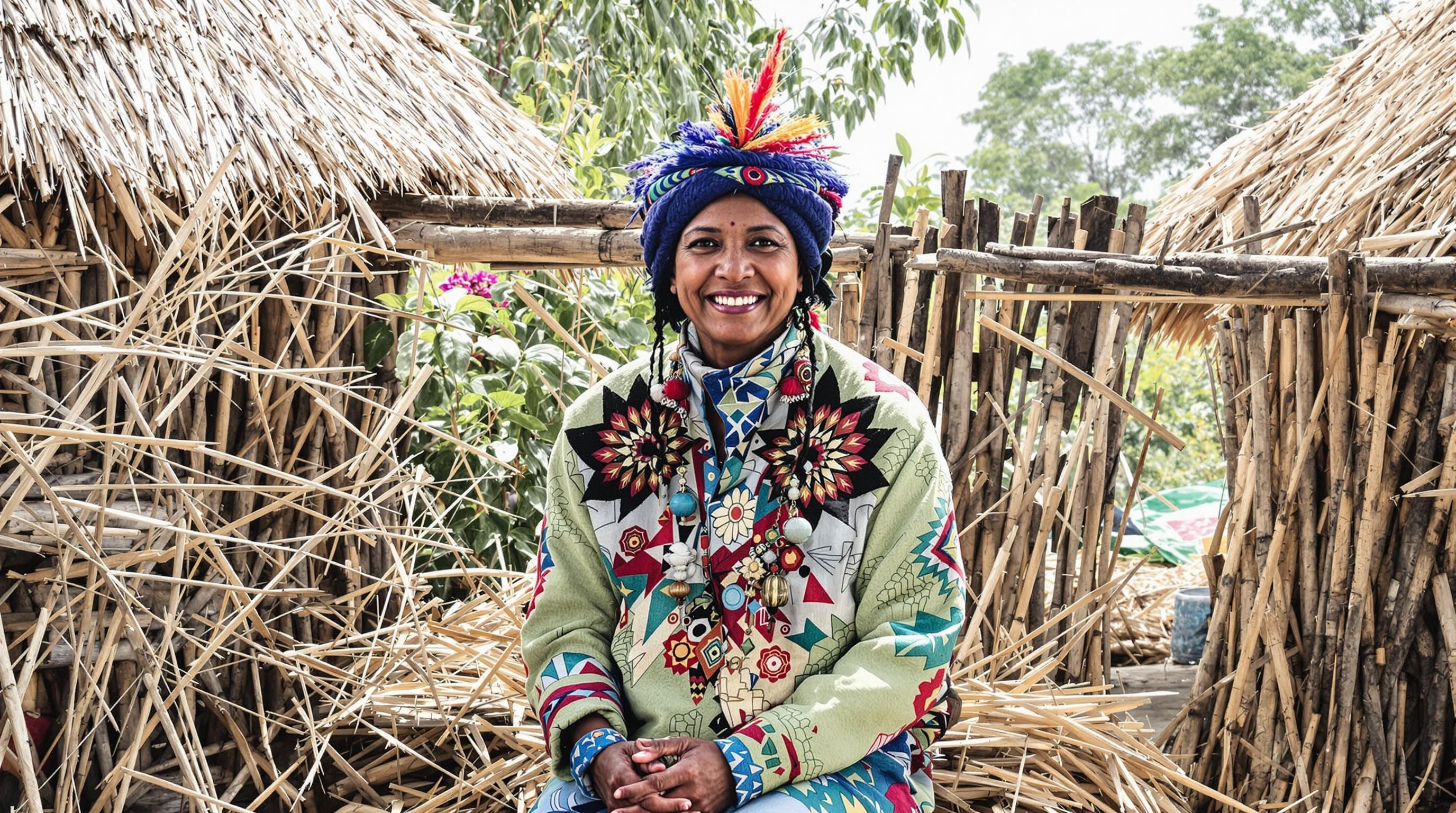
Traveling opens our eyes to the world, but it's crucial to do so wisely. By embracing local wisdom, particularly from Indigenous cultures, modern travelers can discover unconventional safety tips that not only protect but enrich their experiences.
The Wisdom of the Ancients
In a world dominated by advanced technology and bustling tourism industries, it can be easy to overlook the treasure trove of local knowledge held by Indigenous cultures. For instance, the Indigenous peoples of Australia have been passing down survival techniques for over 65,000 years. The concept here isn’t just about survival—it's about living harmoniously with the land.
Listening to the Land
One essential safety tip derived from Indigenous practices is the art of listening to the land. As an Indigenous elder from the Amazon rainforest once told a group of researchers, "The forest speaks; you just need to learn how to listen." This principle of observation can be beneficial for any traveler. Watching the movement of animals, the growth of plants, or even the change in weather can provide invaluable insights into one's surroundings.
Educated Guesswork: Natural Medicine
Did you know that 25% of modern medicines are derived from plants used in traditional healing practices? According to the World Health Organization, approximately 80% of people in developing countries rely on traditional medicine, which often includes plants cultivated and tended to by Indigenous peoples. Before you pop an over-the-counter painkiller, consider consulting local healers who may offer herbal alternatives tailored to the region's ecology.
Storytelling: Tales of Caution
The power of storytelling among Indigenous cultures cannot be overstated. Take, for example, the Indigenous tribes of the Pacific Northwest. They have a rich oral tradition filled with cautionary tales that serve practical functions. A well-known story warns against crossing certain rivers at the wrong season; those stories not only entertain but educate travelers about nature's rhythms and potential hazards.
Cultural Codes and Appropriateness
Understanding the significance of cultural codes can be as vital as knowing the geography of a location. In many Indigenous cultures, sharing knowledge is reserved for specific individuals or ceremonies. As a traveler, it’s essential to respect these boundaries to avoid cultural mishaps. Always approach local customs with an open mind and willingness to learn, as this can open doors to rich cultural exchanges.
Benefits of Slow Travel
Statistics show that 70% of travelers prefer a more immersive experience over a superficial one (Booking.com). Embracing slow travel aligns seamlessly with Indigenous wisdom. By taking your time, you’ll not only gain a deeper understanding of local culture but also become attuned to its rhythms. This connects to the idea that the more you engage with a place, the safer you ultimately become; awareness fosters respect, and respect fosters safety.
The Significance of Family and Community
Indigenous cultures often emphasize community and connectedness. For travelers, seeking out local homestays or community-led tours can enhance experiences. When travelers engage with families, they gain insights into safety that are unique to the area. For example, a family in Kenya may share which wildlife to avoid at dusk or how to carry food to deter aggressive animals. By integrating into a local family's routine, you’ll learn priceless lessons that aren’t featured in tourist guides.
Moreover, a study by the Global Sustainable Tourism Council indicates that community-led tourism significantly reduces the risk of cultural exploitation and ensures that Indigenous voices are heard. Hence, when you travel, consider participating in these programs for an enlightening and safer experience.
Environmental Awareness: The Sky’s the Limit
Travelers often overlook the vital signs of environmental change. Indigenous people have a unique relationship with nature, noting changes in the environment that others may dismiss. For instance, among the Inuits of Arctic Canada, shifts in ice patterns denote changes in wildlife behavior, which can indicate unsafe conditions for hunting or travel.
Travelers can cultivate awareness by staying informed about local environmental issues. An alarming statistic from the United Nations states that about 1 million species are at risk of extinction partly due to climate change. As you travel, recognize your role in this grand tapestry and learn the ecological stories told by local Indigenous communities.
Humor Goes a Long Way
Traveling can be unpredictable! Why did the Indigenous elder bring a fish to the party? Because he wanted to scale back the worries! Humor can be a wonderful tool for easing tension and fostering connections. Indigenous cultures often use humor not just in storytelling but as a means of coping with life's unpredictabilities. Hence, when faced with travel mishaps, embrace the humor in the situation—it makes your journey lighter and much more enjoyable!
Engage with Local Art and Music
Much of Indigenous wisdom comes through art and music, often teaching profound life lessons. If you find yourself lost or in an uncomfortable situation, seek out local art performances or music festivals. These experiences could offer glimpses into communal values and shared narratives, enhancing your understanding of social dynamics and, in turn, your personal safety.
Inclusivity is Key
This very thought leads us to another critical aspect: inclusivity. The more inclusive a traveler is, the safer they will feel. Embrace diversity by interacting with people from various backgrounds and learning about their safety practices. According to a report by the Adventure Travel Trade Association, engaging with locals can make a journey feel more secure and fulfilling, providing comforting insights into the local context.
Conclusion: Weaving it All Together
As a 29-year-old traveler who has experienced various locales, I’ve found that tapping into local wisdom, especially from Indigenous cultures, offers benefits far beyond safety. It's about mutual respect, shared stories, and a heightened awareness of our surroundings. So next time you hit the road and consider safety, look not just to your travel guide but to the very land and its people—often, the best advice comes from those who have walked the earth for generations.
Travel is a tapestry woven from countless threads of experience, culture, and knowledge. By applying these local insights into our journeys, we enhance not only our own safety but contribute to the preservation and appreciation of these invaluable cultures. So venture forth, travel wisely, and remember: safety is an adventure best enjoyed in community.
Read More