Related Articles
- Uncharted Escapes: Navigating the Controversial Allure of Fringe Destinations and Their Untold Stories
- Uncharted Realms: The Surprising Intersection of Urban Legends and Adventure Travel in Offbeat Locations
- Curious Chronicles: Bizarre Transport Innovations Shaping Uncommon Explorations Across Unvisited Trails
- The Forgotten History of Eco-Adventuring: Learning from Indigenous Practices for Modern Exploration
- The Hidden Impact of Eco-Conscious Adventure Games on Environmental Education and Community Resilience
- Uncommon Routes: The Unexpected Appeal of Ghost Town Hikes in Eco-Friendly Exploration
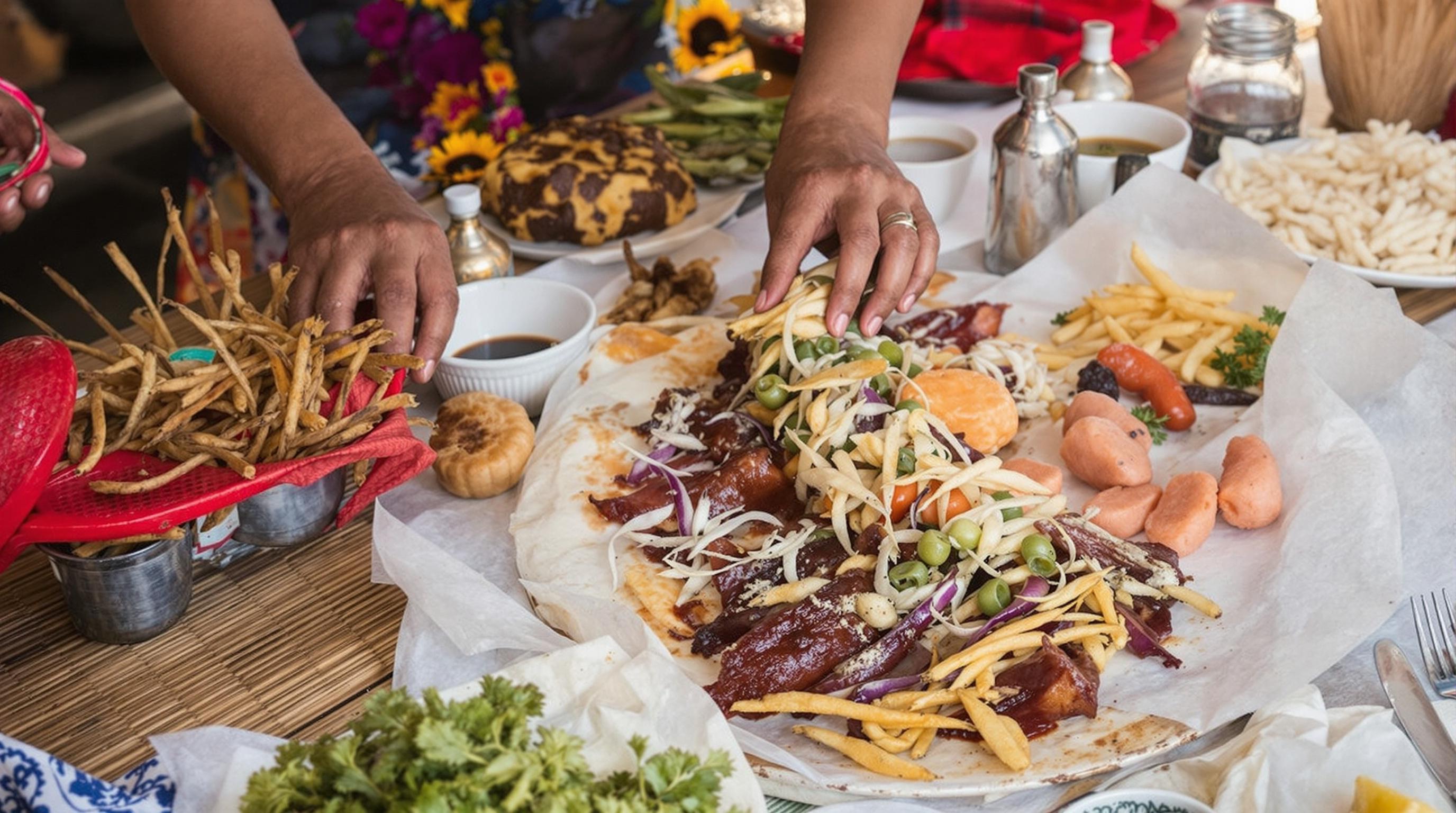
10 Captivating Customs: Exploring Local Culinary Traditions for a Flavorful Cultural Immersion on Your Travels
10 Captivating Customs: Exploring Local Culinary Traditions for a Flavorful Cultural Immersion on Your Travels
10 Captivating Customs: Exploring Local Culinary Traditions for a Flavorful Cultural Immersion on Your Travels
1. The Art of Paella in Spain
In the coastal region of Valencia, Spain, paella is more than just a dish—it's a way of life. This iconic rice dish is traditionally cooked outdoors over a wood fire in a shallow pan, yielding a delightful smoky flavor. Local variations abound, incorporating seafood, rabbit, and even snails, depending on regional preferences and seasonal availability.
Participating in a paella cooking class allows travelers to engage with the local culture on a deeper level. Guided by experienced chefs, you'll learn about selecting the right rice, the importance of saffron, and even the nuances of building flavor through slow cooking techniques. This experiential learning not only enhances your culinary skills but also fosters a genuine connection to the heritage of Spanish cuisine.
Sharing a fresh plate of paella with locals amidst an outdoor gathering is a quintessential experience. It's a moment where stories are exchanged, and cultural ties are strengthened, making every bite a celebration of community and tradition.
2. Sushi Craftsmanship in Japan
In Japan, the art of sushi-making embodies discipline, patience, and a deep respect for ingredients. Sushi chefs often undergo years of training to master the various techniques, from selecting the freshest fish to perfecting the seasoned rice. Each type of sushi reflects the unique geographical bounty of Japan's coasts, serving as a culinary map of the nation.
Visitors can immerse themselves in this culture by taking part in sushi workshops where they learn not just the how-tos, but also the philosophy behind it. Understanding the significance of seasonal ingredients and the meticulous preparation process will deepen your appreciation for this exquisite cuisine. Adding to the experience is the ritualistic aspect of sushi dining, where presentation is just as important as taste.
Regardless of whether you're savoring nigiri in a bustling Tokyo market or indulging in a kaiseki dinner, the experience of eating sushi is enriched by the stories and traditions behind each creation, making every meal a journey through Japan's culinary heritage.
3. Ethiopia's Injera and Doro Wat
In Ethiopia, communal meals are often centered around injera, a spongy flatbread that demands a special culinary technique to prepare. Made from teff flour, injera serves as both a dish and a utensil, allowing diners to scoop up a variety of flavorful stews and salads. This social style of eating underscores the importance of community in Ethiopian culture.
When visiting a local restaurant, you can enjoy an authentic dining experience by participating in a traditional Ethiopian coffee ceremony. This elaborate ritual involves roasting coffee beans, grinding them, and brewing them in a special pot called a jebena. The ceremony not only celebrates coffee's significance but also showcases local hospitality.
Whether you're enjoying a platter of doro wat or simply engaging in the communal act of sharing food, experiencing Ethiopian culinary customs provides travelers with profound insight into the values of family, tradition, and respect for the land.
4. Italy's Trattoria Traditions
No journey through Italy is complete without immersing yourself in the trattoria culture. These casual eateries are places where family recipes are shared, and traditional dishes come to life. From handmade pasta to rustic pizzas, each meal reflects the region's unique ingredients and culinary heritage.
Taking part in a local cooking class can unlock the secrets of Italian cuisine. Here, you can learn how to make fresh pasta, the importance of regional sauces, and the art of balancing flavors. Many classes also emphasize sourcing ingredients from local markets, connecting you to the essence of Italian gastronomy.
When dining at a trattoria, the experience goes beyond just the food; it is about savoring the atmosphere, engaging with locals, and participating in the lively rhythms of Italian life. Each meal becomes a rich tapestry weaving together culture, flavor, and tradition.
5. India's Spicy Street Food
India offers a vibrant street food culture that is as diverse as its many regions. From crispy samosas to spicy chaat, the flavors are explosive and tantalizing. Street food not only satiates hunger but reveals a world of local customs and culinary innovations that have thrived for centuries.
Travelers seeking an authentic taste can join street food tours in cities like Mumbai or Delhi. These guided experiences expose you to hidden gems run by local vendors, where you can sample dishes and learn about their historical context. Engaging with the locals while enjoying street food offers insights into their culinary lives and personal stories.
Each city presents a unique gastronomic journey grounded in history and tradition, making the exploration of Indian street food a flavorful adventure that extends far beyond mere taste.
6. The French Art of Boulangerie
In France, the boulangerie is a cornerstone of daily life. The aroma of freshly baked bread wafting through the streets is a daily invitation to indulge in the centuries-old craft of French baking. Baguettes, croissants, and pain au chocolat are just a few examples of the artisanal bread that showcases the skill and dedication of local bakers.
Joining a bread-making workshop in a Parisian bakery is an exceptional way to appreciate the complex process of fermentation and baking. Participants can learn about the science behind bread-making—from kneading to proofing—while enjoying the fruits of their labor as they savor warm loaves fresh from the oven.
The boulangerie experience is not just about bread; it's about connecting with the heart of French culture. Engaging with bakers and patrons provides insight into their daily lives and traditions, making each visit a delightful journey of taste and culture.
7. Mexican Mole Secrets
Mole, a sauce often associated with Mexico, is a true representation of the country's culinary complexity. Rich in flavors and textures, mole varies widely from region to region, reflecting local ingredients and cultural influences. The process of making mole often involves grinding spices, chiles, and chocolate, resulting in a dish that is both labor-intensive and incredibly rewarding.
Travelers can dive into this world by participating in local cooking classes where they guide you through the intricate steps of creating a traditional mole. Understanding the significance of each ingredient and technique allows you to appreciate the history and culture behind this beloved dish.
Sharing a meal featuring freshly prepared mole with locals offers a deeper connection to Mexican traditions, making it a flavorful journey that transcends national borders.
8. Indonesian Nasi Goreng Rituals
Nasi goreng, or fried rice, is often considered Indonesia's comfort food. This versatile dish serves as a canvas for various ingredients and flavors, transforming a simple meal into a celebration of local spices and culinary techniques. Nasi goreng is frequently served during special occasions and family gatherings, reflecting its status as more than just street food.
Embarking on a culinary adventure in Indonesia could involve a cooking class that focuses on using fresh, locally sourced ingredients. By immersing yourself in these traditions, you will learn the right balance of spices and techniques to achieve authentic flavors. Engaging with local cooks offers insights into their daily lives and cultural practices.
Whether enjoyed at a bustling street stall or within the warmth of a family home, savoring nasi goreng underscores the communal spirit of Indonesian dining, transforming every meal into a significant cultural event.
9. Greek Mezze and Hospitality
In Greece, mezze represents more than just small plates; it embodies the country's culture of sharing and hospitality. These delightful appetizers—ranging from tzatziki to dolmades—invite communal dining and conversation, fostering friendship and connection around the table.
Travelers can explore the art of making mezze by taking part in local culinary classes, where you can immerse yourself in the preparation of various dishes. The shared experience of cooking and dining encourages a sense of community and captures the essence of Greek life.
Whether enjoyed in a seaside taverna or at a friend's home, indulging in mezze offers a taste of Greece that is rich in flavor and tradition, making each gathering a celebration of culture and togetherness.
10. The Festive Feast of Thanksgiving in the USA
Thanksgiving in the United States is a unique cultural celebration that revolves around food, family, and gratitude. The holiday typically features a centerpiece turkey, accompanied by an array of side dishes, from stuffing to cranberry sauce. This communal feast marks a moment of reflection and appreciation for family and loved ones, often bringing people together across distance.
Travelers lucky enough to join an American family for Thanksgiving could witness the rich traditions that have evolved over generations. Participating in the preparation of dishes and sharing stories can deepen your understanding of the significance of the meal and the cultural practices surrounding it.
Experiencing Thanksgiving provides a unique glimpse into American culture, showcasing the importance of community, gratitude, and the joy of sharing a meal. This festive celebration ultimately highlights the unifying power of food in creating meaningful connections.
Read More