Related Articles
- Uncharted Escapes: Navigating the Controversial Allure of Fringe Destinations and Their Untold Stories
- Uncharted Realms: The Surprising Intersection of Urban Legends and Adventure Travel in Offbeat Locations
- Curious Chronicles: Bizarre Transport Innovations Shaping Uncommon Explorations Across Unvisited Trails
- The Forgotten History of Eco-Adventuring: Learning from Indigenous Practices for Modern Exploration
- The Hidden Impact of Eco-Conscious Adventure Games on Environmental Education and Community Resilience
- Uncommon Routes: The Unexpected Appeal of Ghost Town Hikes in Eco-Friendly Exploration
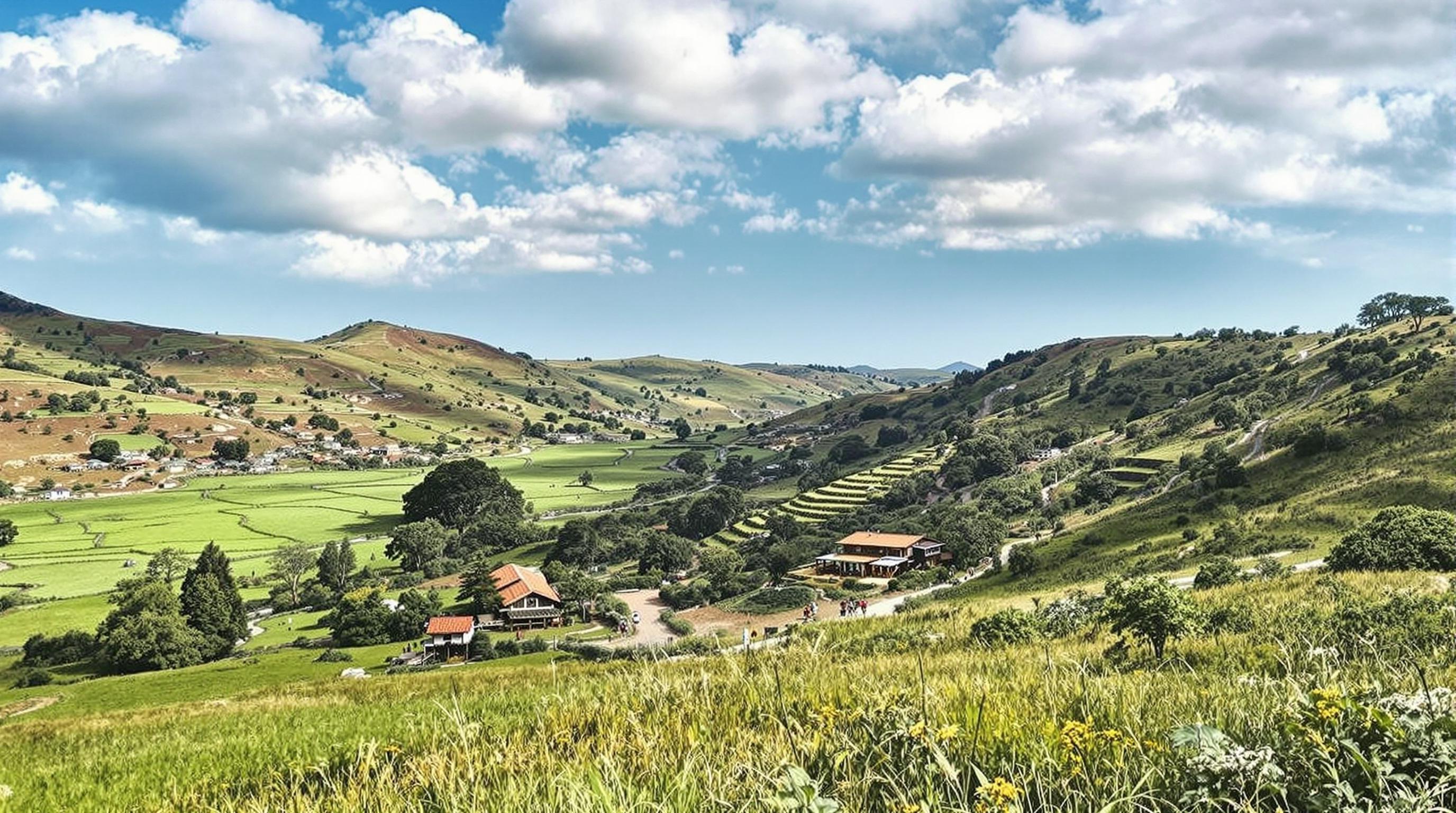
11 Surprising Destinations: Exploring Off-the-Grid Locations for Exceptional Cultural Immersion During Your Travels
11 Surprising Destinations: Exploring Off-the-Grid Locations for Exceptional Cultural Immersion During Your Travels
11 Surprising Destinations: Exploring Off-the-Grid Locations for Exceptional Cultural Immersion During Your Travels
1. Bhutan: The Last Himalayan Kingdom
Known for its stunning landscapes and rich Buddhist culture, Bhutan offers a unique blend of tradition and modernization. Travelers can experience cultural immersion through festivals like the Paro Tsechu, where vibrant mask dances narrate ancient stories. The government emphasizes low-impact tourism, meaning fewer crowds and deeper connections with local communities.
Visitors can take part in local homestays, enabling them to partake in daily life and traditional practices such as archery and farming. This hospitality enhances the understanding of Bhutanese values, emphasizing happiness and environmental sustainability. The local cuisine, which showcases ingredients like chili and cheese, offers an authentic taste of the culture.
Traveling through Bhutan also includes breathtaking hikes like the Tiger's Nest Monastery trek, providing both physical challenge and spiritual fulfillment. Immersing oneself in this untouched paradise creates lasting memories and fosters a sense of peace and connection with nature.
2. Madagascar: Land of Unique Biodiversity
Madagascar is not just a destination for wildlife enthusiasts; it's a cultural melting pot enriched by African, Asian, and European influences. Visitors can explore local markets, taste traditional dishes like romazava (a meat and vegetable stew), and experience the distinct music and dance styles of different ethnic groups.
The island's diverse environments provide opportunities for immersive experiences, such as visiting the remote communities in the Tsingy de Bemaraha National Park. Here, travelers can engage with locals, learn about their way of life, and understand the significance of the land and biodiversity that surrounds them.
Madagascar's commitment to cultural preservation enables tourists to engage meaningfully with the land and its people. By choosing eco-conscious lodges and participating in community-led tours, visitors can ensure that their travel supports local development and conservation efforts.
3. Georgia: Cultural Crossroads of Europe and Asia
The Republic of Georgia offers travelers a unique blend of rich history and breathtaking landscapes while remaining relatively undiscovered by the typical tourist crowd. Renowned for its traditional wine-making and delicious cuisine, visitors can enjoy hearty dishes like khinkali (dumplings) and khachapuri (cheese bread) while bonding with locals.
The vibrant capital, Tbilisi, boasts a mix of architectural styles that reflect its diverse past. A walking tour through its historic districts, where vendors sell everything from handmade crafts to local delicacies, provides a profound insight into Georgian life. Additionally, traditional music and dance performances can be experienced at local festivals.
For the adventurous traveler, exploring the pristine Caucasus Mountains reveals both natural beauty and the opportunity to engage with rural communities. Homestays in villages like Kazbegi allow visitors to absorb firsthand accounts of local customs and traditions, making for an unforgettable cultural exchange.
4. Papua New Guinea: An Ancient Cultural Tapestry
Home to over 800 different cultures and languages, Papua New Guinea is one of the world’s least explored destinations. The country's diverse ethnic groups maintain unique traditions, as observed during the traditional sing-sing festivals where vibrant attire and rituals celebrate cultural heritage. This experience allows travelers to glimpse the vibrancy of the local way of life.
Exploring remote villages provides an unparalleled opportunity for cultural immersion. Engaging in daily activities such as fishing, farming, or weaving with the locals fosters deeper connections and understanding of their customs and beliefs.
Unique geological formations and biodiversity further enhance the journey. Opportunities to trek through lush forests and explore pristine beaches cater to both adventure seekers and those looking to connect on a deeper level with the area’s culture and natural beauty.
5. Uzbekistan: Gems of the Silk Road
Uzbekistan, a key player in the ancient Silk Road trade route, offers travelers stunning architecture and a wealth of cultural experiences. Cities like Samarkand and Bukhara boast stunning historical sites, allowing visitors to experience the grandeur of the Silk Road. Engaging with local artisans who practice centuries-old crafts enhances cultural appreciation.
Food is central to Uzbek culture, with dishes such as plov (a rice dish with meat and vegetables) serving as a focal point for social gatherings. Local markets brim with spices and fresh produce, offering travelers an authentic taste of the region. Sampling homemade meals with local families encourages deeper connections and understanding of everyday Uzbek life.
Through organized cultural tours, visitors can explore ancient sites and modern life in these vibrant cities, ensuring a well-rounded experience that highlights Uzbekistan’s unique cultural heritage.
6. Colombia: A Revival of Culture
Colombia has emerged as a top destination for travelers seeking cultural immersion, featuring a blend of pre-Columbian traditions and modern influences. Cities like Cartagena and Medellín showcase colorful architecture, lively markets, and vibrant street art. Engaging with local artists and musicians can provide insight into Colombia's resilience and spirit.
Festivals such as the Barranquilla Carnival celebrate cultural diversity with music, dance, and vibrant costumes, offering travelers a chance to participate in the country's rich heritage. Cooking classes featuring traditional dishes like arepas enable tourists to take a piece of Colombian culture home with them.
Ecotourism also plays a significant role, with opportunities to explore Colombia’s breathtaking landscapes, from lush coffee plantations to pristine coastlines. Engaging with local communities in environmental conservation projects can provide a deeper understanding of their culture and daily life.
7. Laos: The Heart of Southeast Asia
Laos is often overlooked in favor of its neighbors, yet it offers a serene atmosphere entwined with rich cultural traditions. The slow-paced lifestyle allows travelers to connect with locals by visiting quaint villages, where daily life revolves around agriculture and traditional crafts. The morning almsgiving ritual in Luang Prabang provides a profound insight into Buddhist customs.
The unique blend of French colonial influence and local culture is showcased in the food and architecture throughout the country. Sampling street food, like larb (a spicy meat salad), allows visitors to experience authentic flavors while interacting with street vendors and community members.
Trekking in northern Laos reveals opportunities to meet ethnic minority groups, such as the Hmong and Khmu, fostering deeper cultural appreciation. An immersion in this picturesque country makes for a rewarding travel experience.
8. Suriname: A Cultural Mosaic
Suriname, located on the northeastern coast of South America, is a lesser-known gem featuring diverse cultures, languages, and religions. With influences from Indigenous tribes, African peoples, and Dutch colonial history, the country's vibrant ethnic mosaic is celebrated through festivals, dances, and culinary delights.
Exploring the capital city, Paramaribo, reveals charming colonial architecture, bustling markets, and the opportunity to engage with local communities. The chance to experience traditional practices such as the Maroon’s Kwaku festival enhances cultural understanding and appreciation.
Ecotourism opportunities in the Amazon rainforest offer another layer of cultural immersion. By joining guided tours led by Indigenous peoples, travelers can learn about traditional survival skills and sustainable practices, gaining insights into the delicate balance between nature and culture.
9. El Salvador: A Rising Star of Central America
Often overshadowed by its neighbors, El Salvador offers authentic cultural experiences away from tourist hordes. Known for its rich history rooted in the Maya civilization, ruins like Joya de Cerén and Tazumal provide a backdrop for understanding the country’s indigenous heritage. Interacting with local artisans also offers a glimpse into traditional craftsmanship.
El Salvador's vibrant culinary scene features pupusas (stuffed tortillas) as a national dish. Joining a cooking class or dining with local families allows travelers to delve deeper into the culinary traditions of the country, enriching their overall experience.
Adventurous travelers can explore the stunning landscape, from surf-ready beaches to volcanoes, while also participating in community development projects that support local growth and sustainability. This mix of adventure and cultural exposure passionately connects travelers with the essence of El Salvador.
10. Armenia: A Hidden Jewel of the Caucasus
Armenia's rich history and culture await those willing to venture off the beaten path. Known as one of the oldest nations in the world, it offers a blend of ancient architecture, stunning landscapes, and warm hospitality. Engaging with locals during village festivals reveals the generous spirit of the Armenian people and their connection to rich traditions.
The country's varied landscapes, from the picturesque Lake Sevan to the dramatic mountains of the Caucasus, provide numerous opportunities for exploration. By participating in local activities such as traditional music or dance, visitors can gain a deeper appreciation of Armenia's artistic heritage.
Culinary enthusiasts can join local families to discover the secrets behind beloved Armenian dishes like dolma (stuffed grape leaves) and khorovats (barbecue). This hands-on approach encourages cultural exchange and understanding of the country’s rich culinary traditions.
Conclusion
Traveling to off-the-grid destinations enriches the traveler’s experience beyond typical sightseeing. By engaging more deeply with local cultures, traditions, and communities, tourists can discover the heart and spirit of a place. From the breathtaking mountains of Bhutan to the unique biodiversity of Madagascar, each destination offers vibrant experiences for those willing to explore.
These surprising locales not only provide exceptional cultural immersion but also highlight the importance of sustainable tourism, encouraging visitors to support local economies and conservation efforts. As global travelers become more conscious of their impact, the choice to explore lesser-known destinations has never been more relevant.
Ultimately, stepping off the beaten path can lead to transformative travel experiences that foster connection, understanding, and appreciation for the world’s diverse cultures.
Read More