Related Articles
- Uncharted Escapes: Navigating the Controversial Allure of Fringe Destinations and Their Untold Stories
- Uncharted Realms: The Surprising Intersection of Urban Legends and Adventure Travel in Offbeat Locations
- Curious Chronicles: Bizarre Transport Innovations Shaping Uncommon Explorations Across Unvisited Trails
- The Forgotten History of Eco-Adventuring: Learning from Indigenous Practices for Modern Exploration
- The Hidden Impact of Eco-Conscious Adventure Games on Environmental Education and Community Resilience
- Uncommon Routes: The Unexpected Appeal of Ghost Town Hikes in Eco-Friendly Exploration
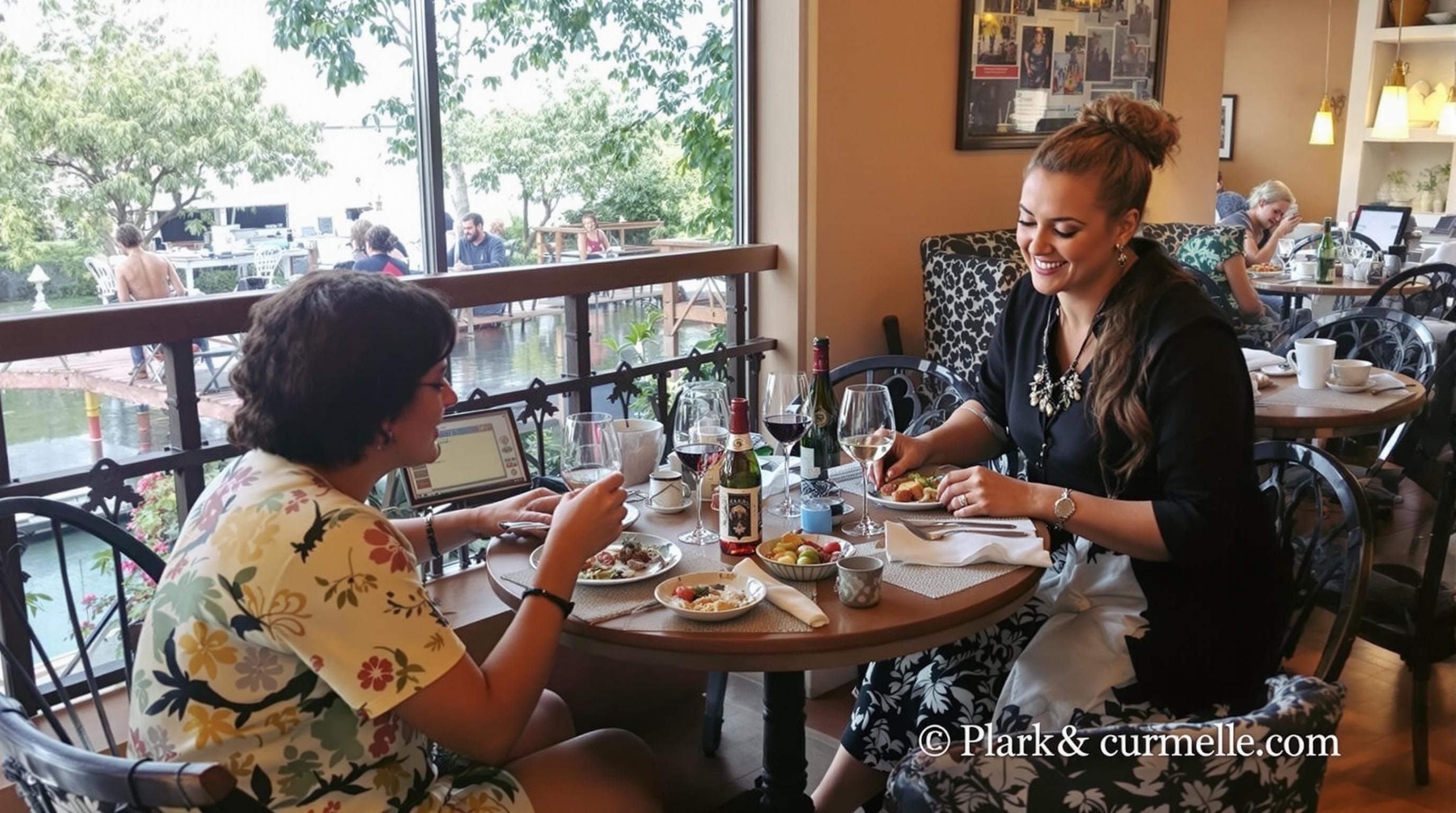
7 Extraordinary Etiquettes: Navigating Local Dining Customs for an Authentic Cultural Immersion Experience Abroad
7 Extraordinary Etiquettes: Navigating Local Dining Customs for an Authentic Cultural Immersion Experience Abroad
7 Extraordinary Etiquettes: Navigating Local Dining Customs for an Authentic Cultural Immersion Experience Abroad
1. Understanding the Importance of Shared Meals
In many cultures, dining together is more than just a meal; it represents a shared experience that fosters community and strengthens bonds. For instance, in Mediterranean cultures, communal dining is a celebrated tradition, where meals are served in large portions that everyone shares. This practice not only encourages connection but also embodies the spirit of hospitality.
Similarly, in places like Ethiopia, eating with your hands from a shared platter signifies trust and camaraderie. Locals often express that the act of sharing food enhances the flavor and overall enjoyment of the meal. When traveling, acknowledging the significance of these shared meals allows for a deeper understanding of local customs.
To fully appreciate this aspect of dining, visitors should participate in shared meals when invited, embracing the local etiquette. Such involvement not only enriches the dining experience but also provides an opportunity to engage with locals in a meaningful way.
2. Respecting Table Manners
Table manners vary significantly across cultures, and what may be acceptable in one country could be deemed inappropriate in another. For instance, in Japan, it is customary to say "Itadakimasu" before meals to express gratitude. Likewise, slurping noodles is considered a compliment to the chef, reflecting an appreciation for the cuisine.
Conversely, in countries like Germany, keeping your hands on the table but not your elbows is a sign of good manners. Understanding these subtle nuances can greatly enhance one's dining experience and demonstrate respect for the culture being engaged with.
Travelers can easily familiarize themselves with the table manners of their destination by conducting pre-trip research or seeking advice from locals. Compliance with these customs not only prevents unintentional faux pas but also showcases a willingness to embrace and respect the local culture.
3. Navigating the Tipping Culture
Tipping practices can drastically differ from one country to another. In the United States, tipping is a customary way to show appreciation for good service, generally ranging from 15% to 20%. In contrast, countries like Japan discourage tipping, as exceptional service is already considered a standard expectation.
In many European countries, service charges are included in the bill, but it is still common to leave some coins as an expression of gratitude. Understanding these variances is crucial for travelers to avoid potential misunderstandings or offense when dining out.
Before traveling, research the tipping customs specific to your destination. This will aid in making informed decisions and ensure that your dining experience aligns with local expectations.
4. Embracing Local Ingredients and Dishes
One of the most rewarding aspects of traveling is sampling the local cuisine. However, local dining traditions often come with unspoken rules about how to indulge in these flavors. For instance, in India, it’s customary to eat with your right hand, as the left is considered impolite for food touch.
In regions renowned for particular dishes, such as Italy and its pasta, it's essential to embrace local standards, like not asking for alterations to the dish. Understanding what constitutes the authentic version of a meal provides insight into the culture’s culinary history and significance.
When dining in a foreign country, be open to trying new foods and ask locals for recommendations, as they can enhance your dining adventures. Such openness demonstrates respect and appreciation for their culinary traditions.
5. Recognizing Dietary Restrictions and Preferences
Cultural attitudes toward food are often interwoven with religious beliefs, thereby affecting dietary restrictions. In countries where Hinduism prevails, such as India, many people are vegetarian. Similarly, in Muslim-majority countries, it is considerate to be aware of halal dietary restrictions.
In such cases, recognizing these customs and adjusting your meal choices accordingly shows respect for local practices. If unsure about the ingredients of a dish, don’t hesitate to ask your host or server for clarification.
When dining out, it’s also prudent to communicate your dietary preferences in advance. This ensures that your dining experience caters not only to your tastes but also aligns with local culinary customs.
6. Participating in Rituals and Customs
Many cultures have unique dining rituals that hold significant social meaning. In Thailand, for instance, it is customary to wait for the eldest person at the table to start eating before anyone else begins. Such practices are rooted in respect and hierarchy within the family or social group.
Additionally, in some African cultures, taking time to express gratitude before and after using the meal is a common approach. Observing and participating in these rituals can elevate the dining experience, making it more memorable and authentic.
Travelers should approach dining not merely as a consumption experience but as an opportunity to learn and engage. Participating respectfully in local customs will present a chance to bond with locals and gain a richer understanding of their way of life.
7. Being Mindful of Dining Dress Codes
Dining attire can also convey respect and an understanding of local culture. For example, in predominantly Muslim countries, diners should often dress modestly, especially in formal settings. Outfits should reflect the local customs to facilitate an enjoyable dining experience.
In contrast, some countries, such as Italy and France, may have expectations regarding more formal attire when dining in upscale restaurants. Visitors should be conscious of these unwritten dress codes to avoid standing out or being perceived as disrespectful.
When preparing for a dining experience abroad, it is advisable to consider the local climate and style when packing. Adhering to appropriate dress codes serves as a sign of respect and can enhance one’s acceptance in social situations.
Conclusion
Immersion in local dining customs not only enriches travel experiences but also fosters a greater appreciation for diverse cultures. By understanding and respecting different dining etiquettes, travelers demonstrate cultural sensitivity and an eagerness to engage with locals.
From the importance of shared meals to navigating dietary preferences, every aspect of dining abroad offers insights into the values and traditions of the people one encounters. This engagement can yield lasting memories and deepen connections, proving that food is a universal language bridging gaps between cultures.
As you embark on your culinary journey around the world, commit yourself to learning the local customs, and approach each dining experience with an open heart and mind. By doing so, you will not only savor the flavors of new cuisines but also partake in stories woven through every bite.
Read More