Related Articles
- Uncharted Escapes: Navigating the Controversial Allure of Fringe Destinations and Their Untold Stories
- Uncharted Realms: The Surprising Intersection of Urban Legends and Adventure Travel in Offbeat Locations
- Curious Chronicles: Bizarre Transport Innovations Shaping Uncommon Explorations Across Unvisited Trails
- The Forgotten History of Eco-Adventuring: Learning from Indigenous Practices for Modern Exploration
- The Hidden Impact of Eco-Conscious Adventure Games on Environmental Education and Community Resilience
- Uncommon Routes: The Unexpected Appeal of Ghost Town Hikes in Eco-Friendly Exploration
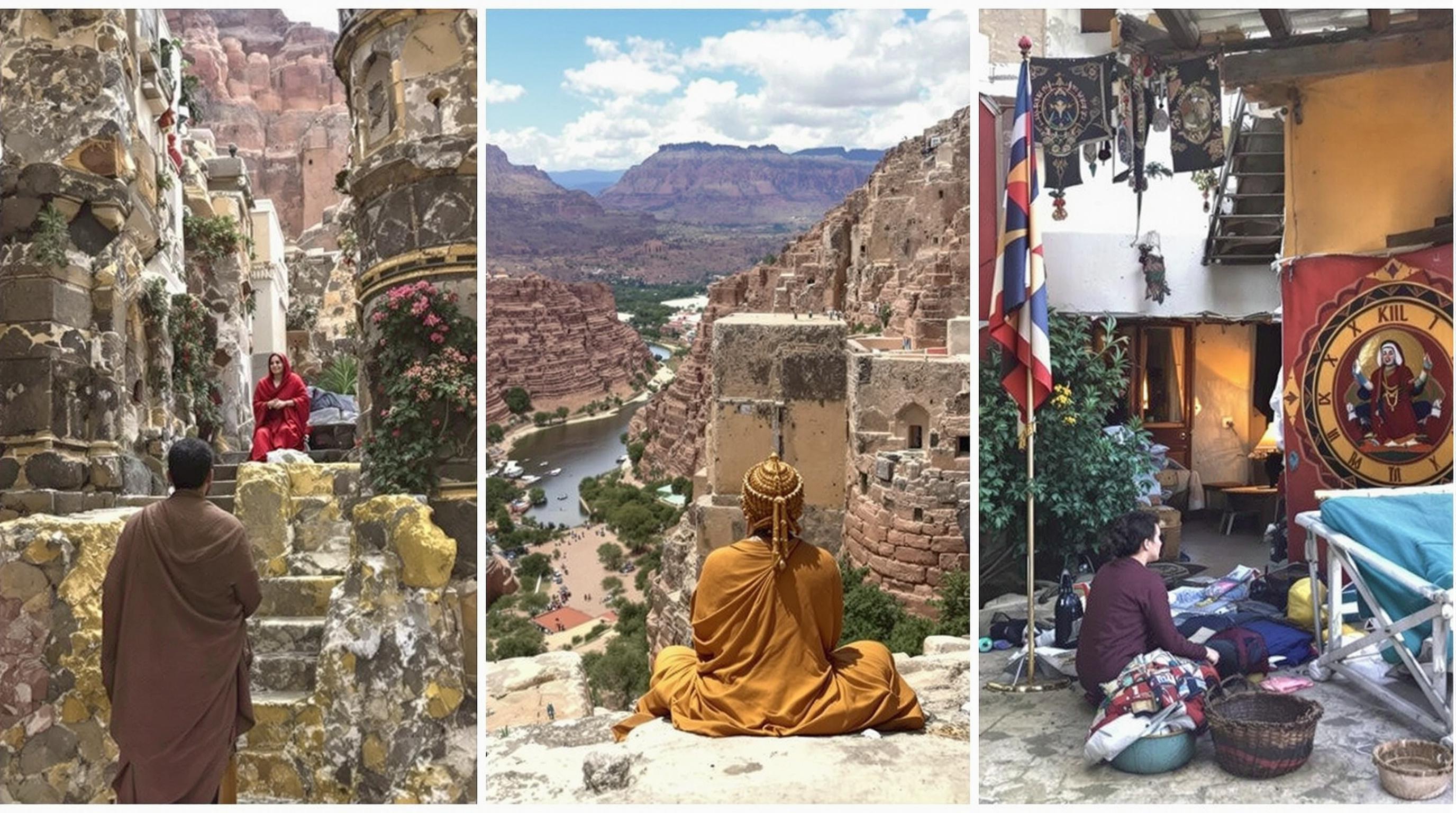
7 Gateway Experiences: Discovering Spiritual Practices for Profound Cultural Connections While Traveling Abroad
7 Gateway Experiences: Discovering Spiritual Practices for Profound Cultural Connections While Traveling Abroad
7 Gateway Experiences: Discovering Spiritual Practices for Profound Cultural Connections While Traveling Abroad
Introduction
Traveling abroad opens up a world of opportunities for personal growth, understanding, and connection. One of the most profound ways to deepen your experience in a new country is to engage with the local spiritual practices. These gateway experiences can foster empathy and enrich your appreciation for different cultures. By immersing yourself in diverse spiritual landscapes, you gain insight into the values, beliefs, and traditions that shape communities around the globe.
From the bustling markets of Marrakech to the serene temples in Kyoto, spiritual practices are often intertwined with everyday life in many countries. By taking part in these rituals or practices, you not only enrich your own travel experience but also create meaningful connections with local communities. As you explore this concept, consider how these spiritual gateway experiences can serve as bridges rather than barriers, leading to deeper mutual understanding.
This article highlights seven transformative spiritual practices that can deepen your travel experiences and offer fresh perspectives on the cultures you encounter. Each gateway experience is a unique lens through which to view the underlying beliefs and values, setting the stage for deeper cultural interactions.
1. Participating in a Traditional Ceremony
Many cultures hold traditional ceremonies that are central to their identity, often tied to significant life events like births, marriages, and even seasonal changes. Participating in such events—be it a wedding in India or a harvest festival in Brazil—offers an intimate glimpse into the local customs and beliefs. These ceremonies often embody the community's values, allowing travelers to connect emotionally and spiritually.
Understanding the symbolism behind these ceremonies can foster respect and appreciation for diverse cultural practices. By observing and participating, you create bonds that transcend language barriers, often allowing for authentic connections. Such experiences enrich your global perspective and challenge any preconceived notions about other cultures.
Before attending a ceremony, it is respectful to learn about its significance and customs. This approach demonstrates openness and a willingness to engage authentically, ensuring that your presence is meaningful rather than merely touristic.
2. Engaging in Meditation or Mindfulness Retreats
Meditation and mindfulness practices can be found worldwide, but they often carry specific cultural resonances depending on the region. Enrolling in a local meditation retreat, for example, in Thailand or India, offers travelers a chance to practice deep introspection and connect with both themselves and the surrounding environment. These moments of stillness can reveal personal insights and foster emotional growth.
The practice of meditation is often linked to the cultural philosophies of the region—such as Buddhism in Asia—which can provide valuable context for understanding local customs. Engaging with these practices also allows travelers to unwind and reflect amidst their travels, enabling them to return home with not just memories but also a renewed sense of self.
Participation in retreats often comes with guidance from local practitioners who offer a deeper understanding of their traditions. This relationship can be transformative, allowing travelers to build a bridge between their experiences and the local culture in ways that are both personal and profound.
3. Attending Local Religious Services
Attending local religious services presents an opportunity to experience the rhythm of daily life in a given culture. Whether it's a Hindu puja in India or a mass in a quaint European village, these gatherings serve as powerful reminders of community, faith, and shared values. As a traveler, witnessing these spiritual practices can illuminate the cultural fabric that sustains a society.
While such attendance might seem straightforward, it often requires sensitivity and respect; understanding that not everyone may be welcoming of outsiders during sacred rituals. Engaging with locals before and after the service can enhance your understanding, allowing for enriching discussions about religious practices and personal beliefs.
It’s essential to approach these experiences with an open heart and mind, recognizing the rich tapestry of beliefs. Such exposure challenges travelers to reflect on their own spirituality while facilitating deeper connections with those around them.
4. Volunteering with Spiritual Organizations
Many spiritual organizations welcome volunteers to help with community service projects. Whether it’s a non-profit focused on education in Kenya or a monastery offering assistance during a retreat in Greece, volunteering can ground your travel experience in meaningful work. You become part of a greater purpose, connecting with others who share similar values and intentions.
This form of engagement creates opportunities for authentic interactions and understanding. By working alongside locals, you can gain insight into their lives, struggles, and aspirations. It's a platform to learn and unlearn perspectives, significantly enriching one's travel journey.
Before committing to a volunteering opportunity, take the time to research the organization and its mission. This practice not only ensures that your efforts are making a positive impact but also minimizes cultural misunderstandings that can arise in sensitive contexts.
5. Learning Traditional Healing Practices
Traditional healing practices reflect a culture’s values, philosophies, and understanding of health and well-being. From Ayurveda in India to shamanistic practices in South America, these methods often intertwine physical, spiritual, and emotional healing. Engaging with local healers or participating in workshops offers insight into the intricate relationships between people and their environments.
These experiences can be transformative, as they often encourage a holistic understanding of health that contrasts with Western paradigms. Many travelers report profound connections formed through these experiences, often leading to self-discovery and greater empathy towards those who face different health challenges.
It is essential to approach traditional healing with respect and a willingness to learn. Every culture has its own practices rooted in history, and understanding these nuances can deepen the bond you create with local communities.
6. Visiting Sacred Sites
Sacred sites resonate with deep spiritual significance, whether it is the ancient ruins of Machu Picchu or the striking beauty of Stonehenge. Visiting these locations often offers travelers a palpable connection to the past and the beliefs that have shaped civilizations. These sites frequently host rituals and gatherings, enriching your understanding of contemporary spiritual practices.
The stories intertwined with each sacred site can yield valuable insights into the collective identity of a culture. By engaging in tours or guided experiences, travelers can listen to the narratives, folklore, and traditions that breathe life into these locations, fostering a profound appreciation for their histories.
To connect authentically with these spaces, consider utilizing local guides or community members who can share their firsthand experiences and stories. This approach helps ensure that your visit is not merely transactional but rooted in mutual respect and cultural appreciation.
7. Exploring Nature and Spirituality
In numerous cultures, nature serves as a conduit for spirituality. Whether it's a hiking pilgrimage in Japan or a silent retreat in the forests of Scandinavia, immersing oneself in nature can encourage a deep understanding of spirituality beyond dogma. Many cultures regard nature as sacred, and engaging with these natural environments can provide a sense of interconnectedness with all living beings.
Participating in nature-focused spiritual activities can foster environmental awareness and appreciation for the beauty that surrounds us. Things like forest bathing, guided nature walks, or Indigenous storytelling often highlight the significance of the natural world within a cultural context.
Approaching these experiences with mindfulness opens up avenues for reflection, lending insights into one's relationship with both nature and spirituality. Creating this connection fosters an appreciation of diversity not just in culture, but also in the broader ecological systems that sustain life.
Conclusion
Diving into spiritual practices while traveling abroad offers a unique opportunity to forge deep connections with local cultures. These gateway experiences—whether participating in ceremonies, attending religious services, or volunteering—invite travelers into the complex tapestry of human beliefs and values. You emerge not only as a visitor but as a participant in a rich cultural narrative that continues to evolve.
Every experience explored in this article is an invitation: to reflect on your own beliefs, to foster empathy, and to create a space for understanding between diverse cultural identities. By engaging with local spirituality, we not only enrich our own journeys but also cultivate a greater appreciation for the global community we are a part of.
As we traverse these spiritual pathways, let us remember that every interaction—no matter how small—carries the potential to inspire change. Ultimately, our commitment to understanding and connecting with others can make the world a more compassionate place.
Read More