Related Articles
- Uncharted Escapes: Navigating the Controversial Allure of Fringe Destinations and Their Untold Stories
- Uncharted Realms: The Surprising Intersection of Urban Legends and Adventure Travel in Offbeat Locations
- Curious Chronicles: Bizarre Transport Innovations Shaping Uncommon Explorations Across Unvisited Trails
- The Forgotten History of Eco-Adventuring: Learning from Indigenous Practices for Modern Exploration
- The Hidden Impact of Eco-Conscious Adventure Games on Environmental Education and Community Resilience
- Uncommon Routes: The Unexpected Appeal of Ghost Town Hikes in Eco-Friendly Exploration
7 Transformative Eco-Friendly Adventures That Foster Community Resilience: Engage with Nature While Building Bonds
7 Transformative Eco-Friendly Adventures That Foster Community Resilience: Engage with Nature While Building Bonds
7 Transformative Eco-Friendly Adventures That Foster Community Resilience: Engage with Nature While Building Bonds
1. Community Garden Projects
Community gardens serve as a crucial bridge between urban populations and nature. By transforming vacant lots into green spaces, residents not only cultivate their own produce but also strengthen social ties. Engaging in gardening promotes cooperation, sharing, and inclusivity, offering an opportunity to learn from one another’s agricultural techniques and cultural backgrounds.
Moreover, community gardens foster environmental awareness by teaching sustainable practices, such as composting and permaculture. The act of working together toward a common goal can enhance neighbors' sense of belonging, making the community more resilient in the face of socio-economic challenges. Research indicates communities with active green spaces experience lower crime rates and improved mental health outcomes (Twiss et al., 2003).
As you dig, plant, and harvest, you create something valuable together, transforming not just the landscape but also the community spirit. These outdoor activities help forge friendships, lessen social isolation, and share the bounty of nature, making community gardens a powerful tool for resilience.
2. Eco-Volunteer Expeditions
Participating in eco-volunteer expeditions allows individuals to combine travel with conservation efforts. Engaging with local ecosystems through activities like tree planting or wildlife conservation fosters a strong sense of responsibility for the environment. These adventures can create lasting bonds with fellow volunteers while instilling a deeper appreciation for nature's fragility.
When people come together for a purpose bigger than themselves, it significantly enhances social cohesion. Research has shown that shared experiences in nature can bond people, leading to deeper relationships and networks that extend well beyond the trip (Kuo & Sullivan, 2001). Participants return with stories to tell and friendships that can last a lifetime.
Through these experiences, volunteers not only leave a positive impact on the environment but also build a resilient community of like-minded individuals dedicated to a common cause. Their shared effort lays the groundwork for ongoing collaboration on environmental initiatives.
3. Nature-Based Workshops
Nature-based workshops pair hands-on learning with community engagement, teaching skills ranging from herbalism to sustainable woodworking. These workshops take advantage of local resources while encouraging participants to interact with the environment and each other. By learning sustainable practices, they contribute to community resilience and environmental stewardship.
Moreover, these workshops can help show the interdependence of the community within the local ecosystem. According to Project Drawdown, engaging with nature through educational endeavors can lead to informed activism and advocacy for environmental protection (Project Drawdown, 2017). This active engagement helps people feel more connected to their surroundings and each other.
As attendees gather to share skills and knowledge in natural settings, the bonds formed during these experiences often lead to future collaborations. By cultivating skills rooted in respect for nature, community members enhance resilience and prepare to work together in safeguarding their environment.
4. Outdoor Adventure Retreats
Outdoor adventure retreats focus on building camaraderie through shared physical activities, such as hiking, kayaking, or rock climbing. These retreats challenge individuals both physically and mentally, fostering teamwork and trust. The sense of accomplishment from navigating nature's obstacles together can strengthen relationships and promote community resilience.
Organizations that host these retreats emphasize the power of nature in healing and bonding. Studies show that engaging in outdoor activities can reduce stress and enhance mental well-being (Bratman et al., 2015). This emotional uplift contributes to a sense of community, helping individuals bond over their shared experiences in nature.
Moreover, the lessons learned when tackling physical challenges are invaluable. Participants often return with a renewed sense of purpose and connection to their peers, ready to collaborate on future community projects that leverage their newfound skills and confidence.
5. Clean-Up Days
Organizing clean-up days at local parks, beaches, or rivers can have an immediate positive impact on the environment while fostering a sense of community responsibility. In a world where pollution is a pressing issue, participating in these events helps individuals take action and work toward preserving their natural surroundings.
Clean-up days often draw diverse groups together, encouraging conversations and creating friendships built on common values. The visible difference volunteers make in the community can enhance local pride and encourage others to join in future efforts. The camaraderie formed during these service days can lead to a stronger, more resilient community network dedicated to ongoing environmental stewardship.
Additionally, studies indicate that engaging in environmental restoration projects fosters a connection to place and increased social capital among volunteers (Bourke et al., 2019). When individuals feel empowered and mobilized, they are more likely to continue advocating for sustainable practices within their communities.
6. Nature Immersion Retreats
Nature immersion retreats encourage participants to disconnect from technology and reconnect with the natural world around them. Spending extended periods immersed in nature fosters mindfulness and relaxation while promoting social connections with others participating in the experience. These retreats often blend activities such as meditation, hiking, and artistic expression, allowing people to explore their relationship with both nature and one another.
Studies indicate that spending time in nature is essential for mental health and well-being. The restorative effects of green spaces help decrease anxiety and stress levels, which in turn, enhances bonding among individuals experiencing these benefits together (Taylor et al., 2015). Immersive experiences create lasting impact, as participants often return with new perspectives on life and community.
By reconnecting with their surroundings, participants can cultivate a sense of stewardship and become advocates for environmental defense. This renewed commitment to nature fosters resilience and equips individuals to address challenges within their community more effectively.
7. Nature-Based Art Collaborations
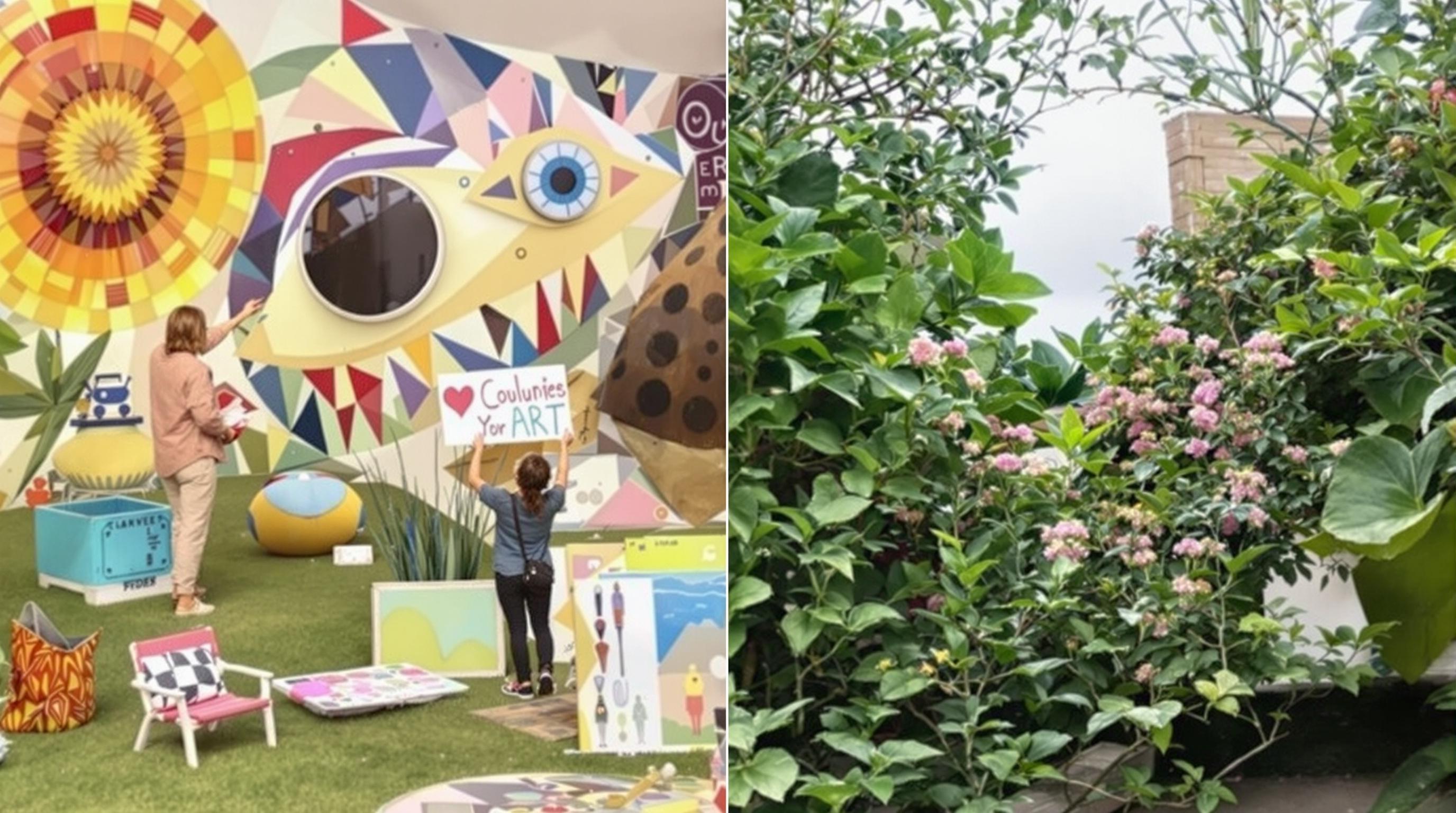
Combining art with nature through collaborative projects allows community members to explore creativity while honoring the environment. Nature-based art collaborations inspire participants to express their relationship with the natural world, often leading to powerful conversations about environmental challenges and local issues.
Creating art together fosters an inclusive atmosphere where diverse perspectives are shared and valued. Art can serve as a healing mechanism and a platform for social change, allowing communities to foster collective resilience through creativity (Bourne, 2017). Participants often form strong connections as they navigate the artistic process together, discussing ideas and pooling their talents.
Ultimately, these collaborations create public art pieces that celebrate local ecosystems, instilling pride in the community and encouraging ongoing advocacy for environmental preservation. Through artistry, community members solidify their bonds and cultivate resilience while addressing crucial ecological concerns.
Conclusion
Each of these transformative eco-friendly adventures not only provides a platform for individual engagement with nature but also strengthens community bonds. By participating in shared experiences, community members develop resilience, insights, and skills that prepare them for addressing future challenges. As the world increasingly grapples with environmental crises, these community-centric initiatives serve as beacons of hope, fostering both social networks and ecological sustainability.
In a time of division, engaging with nature collectively creates channels for connection, empathy, and collaboration. By investing in the natural environment and the relationships that flourish within it, communities can build a brighter, sustainable future for generations to come.
As you embark on these adventures, remember that every small effort counts toward creating a more resilient community, one bond at a time.
Read More