Related Articles
- Uncharted Escapes: Navigating the Controversial Allure of Fringe Destinations and Their Untold Stories
- Uncharted Realms: The Surprising Intersection of Urban Legends and Adventure Travel in Offbeat Locations
- Curious Chronicles: Bizarre Transport Innovations Shaping Uncommon Explorations Across Unvisited Trails
- The Forgotten History of Eco-Adventuring: Learning from Indigenous Practices for Modern Exploration
- The Hidden Impact of Eco-Conscious Adventure Games on Environmental Education and Community Resilience
- Uncommon Routes: The Unexpected Appeal of Ghost Town Hikes in Eco-Friendly Exploration
9 Hidden Eco-Friendly Adventures That Blend History with Nature: Discover Sustainable Journeys Through Time and Landscape
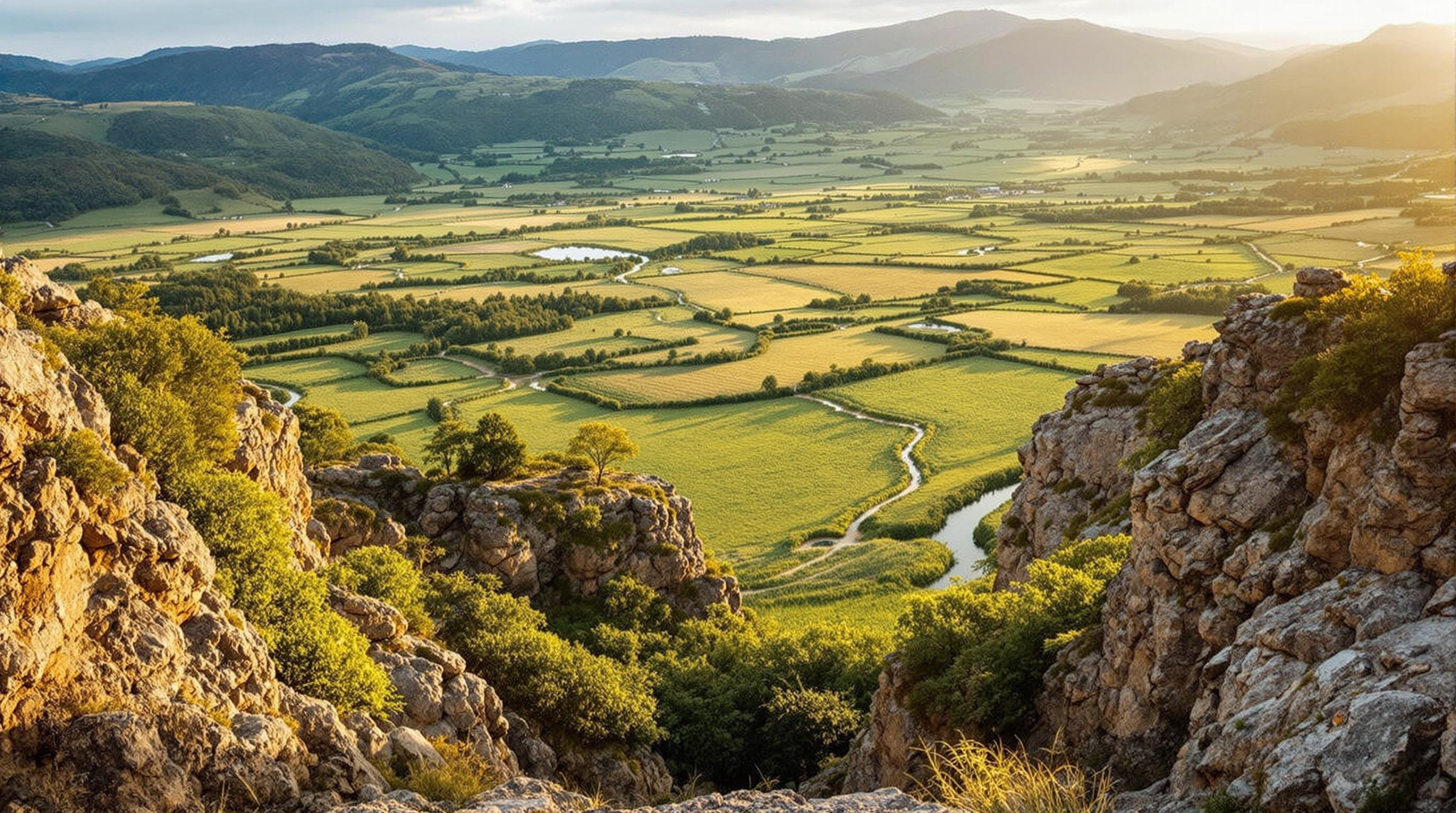
9 Hidden Eco-Friendly Adventures That Blend History with Nature: Discover Sustainable Journeys Through Time and Landscape
9 Hidden Eco-Friendly Adventures That Blend History with Nature
In our ever-evolving world, eco-friendly adventures offer the perfect way to explore history while maintaining a commitment to sustainability. These journeys not only immerse travelers in rich cultural narratives but also connect them to the breathtaking beauty of natural landscapes. Below, we delve into nine extraordinary eco-adventures where history and nature intertwine seamlessly.
1. The Douro Valley, Portugal
The Douro Valley, a UNESCO World Heritage site, is known for its terraced vineyards and the impressive Douro River that winds its way through dramatic landscapes. This region is rich in history, dating back to Roman times when the valley was an essential area for wine production. Travelers can explore the vineyards on foot or by bike, engaging with local wine-growers to learn about the sustainable practices used in port wine production.
In addition to its viniculture, the Douro Valley offers opportunities for eco-friendly river cruises that provide a unique perspective on its lush scenery and historic quintas (wine estates). Many of these cruises focus on reducing carbon footprints while showcasing the region's ecological importance and cultural heritage.
Moreover, by participating in local harvests, visitors can experience firsthand the traditions and labor that have shaped this landscape for centuries, all while contributing to sustainable tourism practices. (Source: UNESCO)
2. The Inca Trail, Peru
The Inca Trail is a legendary trekking route that takes adventurers through stunning Andean landscapes to the ancient city of Machu Picchu. This historical path follows the footsteps of the Incas, offering glimpses into their advanced engineering and agricultural techniques. The trail itself weaves through lush forests, high mountain passes, and archeological sites, allowing travelers to connect with nature and the rich cultural history of the region.
Eco-friendly travel companies prioritize sustainable trekking practices, ensuring that waste is minimized and local communities benefit from tourism. By engaging with local guides, trekkers gain insights into the Incan civilization and its significance while supporting the communities that strive to preserve this heritage.
Additionally, the trek promotes environmental conservation through guidelines that limit the number of trekkers on the trail, protecting it from over-tourism. This thoughtful conservation contributes to the preservation of both the natural environment and the cultural history of the Inca civilization. (Source: Peruvian Ministry of Culture)
3. The Viking Route, Norway
Norway's Viking Route offers a unique opportunity to connect with the maritime history of the Vikings while experiencing the breathtaking fjord landscapes. This adventure invites travelers to explore historical sites, including ancient burial mounds and reconstructed longhouses, while enjoying sustainable outdoor activities such as kayaking and hiking.
Visitors can partake in guided eco-tours that delve into the Viking way of life, emphasizing sustainable practices that respect both the environment and the cultural legacies left behind. Norway's commitment to preserving its natural heritage makes it an ideal destination for the eco-conscious traveler.
As you traverse this route, you’ll be able to admire the pristine fjords and diverse wildlife, showcasing the dynamic ecosystem that Vikings called home. Engaging with local history through interactive exhibits and storytelling deepens your appreciation for this Norse heritage. (Source: Visit Norway)
4. The Great Ocean Walk, Australia
Stretching along Victoria's scenic coastline, the Great Ocean Walk is a remarkable journey that combines stunning natural landscapes with rich indigenous history. As you walk the 104 kilometers between Apollo Bay and the iconic Twelve Apostles, you will encounter diverse ecosystems, breathtaking views, and a wealth of cultural stories from the Gunditjmara people.
Eco-tourism initiatives along the trail promote sustainable practices, such as respecting wildlife habitats and minimizing environmental impacts. Traversing this path enables walkers to appreciate the connection between the land and its historical inhabitants, learning how indigenous communities hung onto their traditions in harmony with nature.
Engaging in guided walks with Aboriginal custodians enriches the experience, offering insights into the significant cultural ties the locals have to the land and their sustainable practices. This striking blend of adventure and education makes the Great Ocean Walk a top eco-friendly experience. (Source: Parks Victoria)
5. The Silk Road, Central Asia
The historic Silk Road is not only a journey through time but also an exploration of some of the most stunning landscapes in Central Asia. Stretching from China to the Mediterranean, the Silk Road presents an opportunity to see ancient caravansary towns like Samarkand and Bukhara, rich in architectural marvels and cultural heritage.
Traveling along the Silk Road encourages sustainable practices, with many tour operators focusing on local experiences that support surrounding communities. Eco-friendly accommodations provide insights into traditional lifestyles while minimizing environmental impact, allowing travelers to engage meaningfully with both history and nature.
As you traverse mountains, deserts, and lush valleys, you will encounter a blend of diverse cultures and traditions, making the Silk Road a unique eco-adventure that promises to be both enriching and enlightening. (Source: UNESCO)
6. The Azores, Portugal
The Azores is an archipelago known for its lush landscapes and rich biodiversity. The islands offer a perfect escape for eco-tourists seeking to explore natural wonders while diving into a fascinating historical context. With volcanic craters, hot springs, and rich marine life, visitors can engage in sustainable activities like whale watching and hiking.
Eco-friendly accommodations and businesses are becoming increasingly popular in the Azores, promoting practices that protect the environment while educating travelers about the region’s history and ecology. Local initiatives aim to preserve the unique flora and fauna while celebrating the cultural traditions of the Azorean people.
Through community-led tours, visitors gain a deeper understanding of the islands' heritage, allowing them to appreciate how history and nature converge in this stunning archipelago. The Azores is a true testament to how sustainable tourism can highlight both historical significance and environmental responsibility. (Source: Visit Azores)
7. The Camino de Santiago, Spain
The Camino de Santiago, a famed pilgrimage route leading to Santiago de Compostela, offers travelers a unique opportunity to blend history, spirituality, and nature. Winding through picturesque villages and lush landscapes, this path has hosted pilgrims for centuries and is steeped in rich cultural traditions.
Eco-conscious travelers can choose to walk the Camino with a focus on sustainability by utilizing local accommodations, eating regionally sourced food, and respecting the environment. This approach not only supports local economies but also encourages travelers to engage with the area’s historical narratives.
Walking the Camino becomes an adventure that intertwines personal reflection with historical appreciation, making it a deeply enriching experience. The harmonization of nature and history along this ancient path leaves a lasting impression on all who walk its storied way. (Source: Xunta de Galicia)
8. The Historic Columbia River Highway, USA
The Historic Columbia River Highway is a scenic byway in Oregon that showcases both natural beauty and significant historical landmarks. As travelers journey along this route, they encounter stunning waterfalls, vistas, and historical sites that reveal the story of the Pacific Northwest's early settlers and indigenous peoples.
Sustainable travel along this highway can take the form of cycling or walking tours, which not only reduce carbon footprints but also allow for a more intimate experience with the stunning landscapes. Eco-friendly businesses offer local products, enriching the journey and supporting the community.
By exploring the historical significance of the region while enjoying its pristine scenery, travelers leave with a deeper appreciation for the harmony of nature and culture that defines this beautiful area. (Source: Oregon State Parks)
9. The Black Forest, Germany
The Black Forest region in Germany is a treasure trove of natural landscapes and fairy-tale folklore, often immortalized by the Brothers Grimm. This enchanting area provides ample opportunities for hiking, cycling, and exploring its rich history, from traditional woodcraft to ancient castles.
Visitors can embrace eco-friendly travel by opting for sustainable lodging and engaging with local artisans who highlight the cultural heritage of the Black Forest. Immersive experiences, such as cheese-making workshops or guided nature walks, allow guests to connect with both the landscape and its storied past.
The Black Forest is not only a beautiful escape into nature, but it also invites travelers to witness and appreciate the intricate relationship between history and ecology. This harmonious blend will create memorable adventures focused on preservation and sustainability. (Source: Schwarzwald Tourismus)
Through these nine eco-friendly adventures, we encourage travelers to explore the interconnectedness of history and nature. Each destination promises unforgettable memories while fostering respect for cultural and ecological heritage. Embrace the call of adventure, and let these sustainable journeys through time and landscape inspire your next trip.
Read More