Related Articles
- Uncharted Escapes: Navigating the Controversial Allure of Fringe Destinations and Their Untold Stories
- Uncharted Realms: The Surprising Intersection of Urban Legends and Adventure Travel in Offbeat Locations
- Curious Chronicles: Bizarre Transport Innovations Shaping Uncommon Explorations Across Unvisited Trails
- The Forgotten History of Eco-Adventuring: Learning from Indigenous Practices for Modern Exploration
- The Hidden Impact of Eco-Conscious Adventure Games on Environmental Education and Community Resilience
- Uncommon Routes: The Unexpected Appeal of Ghost Town Hikes in Eco-Friendly Exploration
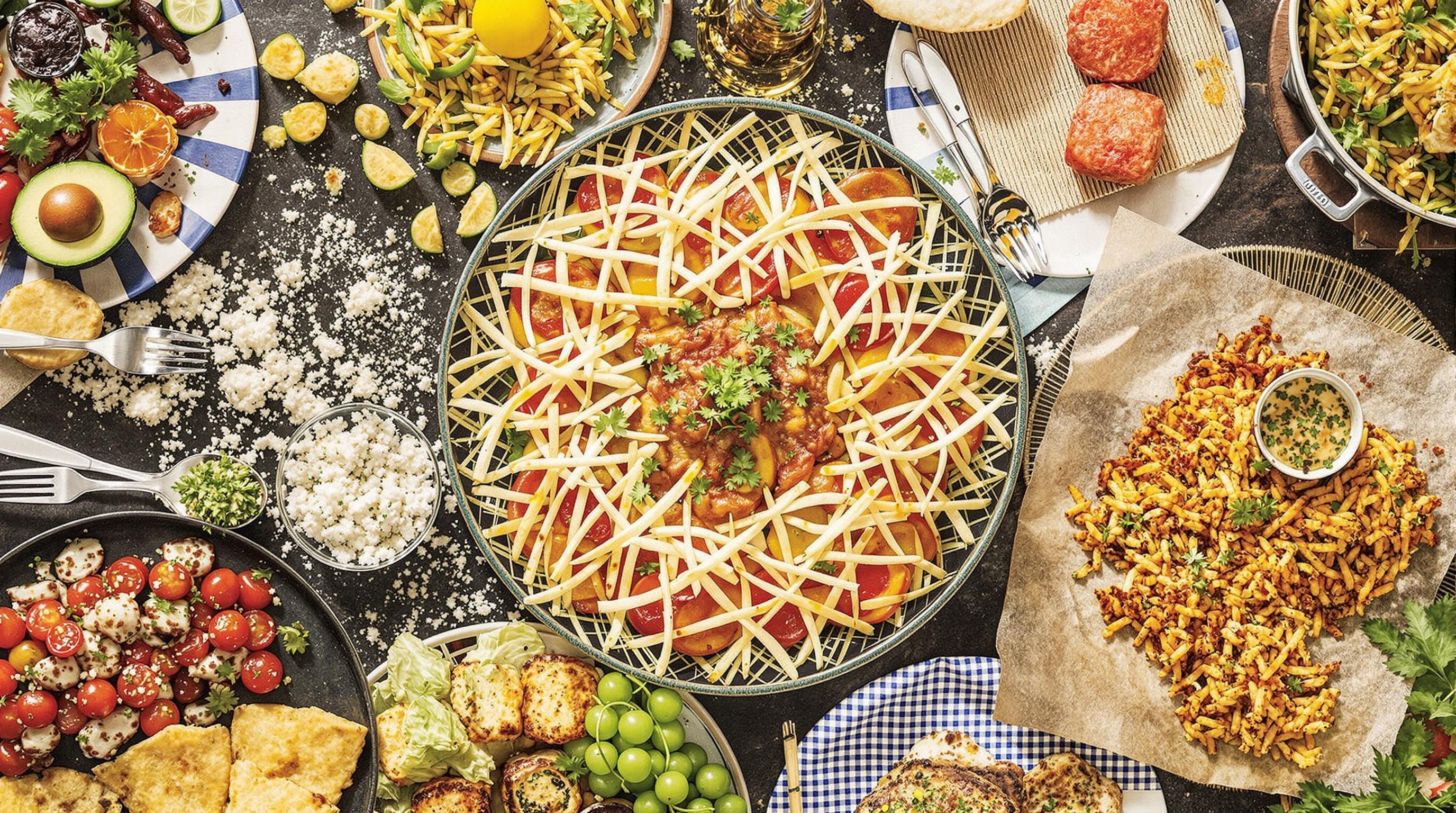
10 Culinary Capitals: Unearthing the Global Food Scenes That Shape Cultures and Define Destinations for Epicurean Explorers
10 Culinary Capitals: Unearthing the Global Food Scenes That Shape Cultures and Define Destinations for Epicurean Explorers
10 Culinary Capitals: Unearthing the Global Food Scenes That Shape Cultures and Define Destinations for Epicurean Explorers
1. Tokyo, Japan
The vibrant metropolis of Tokyo is often hailed as the culinary capital of the world, boasting more Michelin-starred restaurants than any other city. Renowned for its precise techniques and dedication to quality, Tokyo's dining scene ranges from elevated kaiseki dining to humble street stalls serving mouthwatering ramen. This fusion of high and low culinary arts makes the city a pilgrimage for food enthusiasts.
One cannot visit Tokyo without indulging in sushi, where fresh, seasonal ingredients take center stage. The bustling Tsukiji Outer Market offers a taste of the city's historical connection to seafood, while the city's numerous conveyor belt sushi restaurants provide an interactive dining experience. Taste also spills out onto the streets, with yakitori shops and sweet crepe stalls drawing locals and tourists alike.
Tokyo's culinary landscape does not just celebrate traditional dishes; it also embraces innovation. The city's dynamic food culture continually evolves, with fusion cuisines and modern gastronomy emerging alongside ancient practices. The juxtaposition of tradition and modernity creates an ever-shifting tapestry of tastes that invites exploration.
2. Paris, France
In the realm of culinary capitals, Paris is nothing short of an institution. Known as the birthplace of haute cuisine, the city's culinary offerings encompass everything from artisan boulangeries to Michelin-starred fine dining establishments. The French capital is synonymous with sophisticated flavors, chic ambiance, and sheer culinary artistry.
Every arrondissement in Paris conceals its own gastronomic gems, each offering a unique experience that reflects its history and character. From the fragrant cafés of Montmartre to the vibrant markets of Le Marais, one can immerse oneself in the joy of savoring classic French cuisine, including dishes like coq au vin and duck confit.
Moreover, Paris continues to redefine culinary boundaries. Chefs experiment with global flavors and techniques, making the city a hotbed for culinary innovation. The rise of food markets and pop-up restaurants emphasizes that French cuisine is not just about tradition, but also about creativity and adaptation in the face of a global culinary landscape.
3. Bangkok, Thailand
Bangkok's culinary scene is a sensory explosion that lures food lovers from every corner of the globe. The city's versatile palates come alive with the spicy, sweet, sour, and salty flavors that characterize Thai cuisine. Street food reigns supreme, with bustling stalls and markets offering everything from pad thai to fragrant curries.
A stroll through the streets of Bangkok reveals a rich tapestry of cultural influences, including elements from Chinese, Indian, and Malay cuisines. This melding of flavors illustrates how food not only satisfies hunger but also encapsulates the city's history and diversity. The vibrant night markets become gathering places, where locals and visitors alike savor the culinary treasures of Thailand.
Bangkok's dining scene is a celebration of communal eating, where food transcends individual meals to bring people together. The emphasis on sharing plates, coupled with the ubiquitous street food culture, highlights the importance of connection and tradition within Thai gastronomy. With these communal practices at its core, Bangkok serves as a testament to how food can create bonds across cultures.
4. Mexico City, Mexico
At the heart of Mexico lies Mexico City, a metropolis rich in history and culinary heritage. Renowned for its vibrant food markets and the iconic street taco, the city reflects a blending of indigenous traditions and Spanish influence. Each bite of food tells a story, from the ancient origins of maize to the complex spices of modern Mexican cuisine.
The City’s culinary landscape is marked by a relentless creativity, with chefs honoring age-old recipes while also pushing the envelope with contemporary techniques. The rise of gourmet taquerias alongside traditional eateries demonstrates the city’s balance between revered food practices and modern gastronomy. Mexican cuisine is also recognized by UNESCO as an Intangible Cultural Heritage, emphasizing its importance on the global stage.
Mexico City’s culinary scene resonates deeply with locals, as food plays an integral role in cultural rituals and celebrations. Whether enjoying mole on a festive occasion or savoring street corn during a bustling evening out, the dining experience is both an act of nourishment and a celebration of community and identity.
5. Istanbul, Turkey
Istanbul serves as a crossroads of cultures and cuisines, where East meets West in a culinary delight. The city’s food scene is steeped in centuries of history, reflecting the diverse influences that have shaped its gastronomy over time. Street foods such as simit (sesame bread) and döner kebab exemplify the everyday culinary culture that thrives in this historic city.
Beyond street eats, Istanbul boasts sophisticated dining experiences that blend traditional Ottoman flavors with modern culinary techniques. Iconic dishes such as mezes showcase an array of flavors and textures, inviting diners to savor each bite while engaged in an artful communal dining experience. This emphasis on sharing reinforces the importance of togetherness in Turkish culture.
As Istanbul continues to evolve, so too does its culinary narrative. The city’s restaurants embrace a fusion of heritage and creativity, often experimenting with spices and techniques from neighboring regions. As a result, Istanbul remains a vibrant epicenter in the world of gastronomy, welcoming those eager to explore its flavors.
6. Barcelona, Spain
Barcelona's culinary scene is as colorful as its artistic landscape, drawing inspiration from both traditional Catalan dishes and contemporary dining trends. The city’s vibrant markets, like La Boqueria, serve as vital hubs for fresh produce, seafood, and local delicacies. Tapas culture thrives here, where sharing plates fosters camaraderie among diners.
Emphasizing local ingredients, Barcelona’s chefs craft dishes that reflect the region’s agricultural bounty and coastal resources. The city celebrates the Mediterranean diet, with seafood paella and grilled vegetables taking center stage. This commitment to quality ingredients showcases the rich biodiversity of the area while also promoting sustainable eating practices.
The culinary innovation in Barcelona is marked by the rise of molecular gastronomy, where chefs experiment with flavor and presentation. This avant-garde approach pushes the boundaries of what traditional Catalan cuisine can be, allowing the city to carve a niche in the contemporary culinary world while still honoring its roots.
7. New Orleans, USA
New Orleans is a vibrant culinary metropolis where Creole and Cajun traditions intermingle. Known for its bold flavors and rich cultural heritage, the city's food scene echoes the rhythms of jazz and the vibrancy of Mardi Gras. Classic dishes such as gumbo and jambalaya are mere introductions to the extensive tapestry of flavors found in this unique culinary landscape.
The city’s numerous festivals celebrate the diversity of its culinary offerings, often featuring street food vendors, chef showcases, and local delicacies. New Orleans fosters an inclusive food culture, where different immigrant influences converge to create a mosaic of flavors that define its unique identity. The importance of food as a cultural artifact is celebrated through communal gatherings and family rituals.
With a firm foundation in tradition, New Orleans is also a hub of culinary innovation. Chefs experiment with local ingredients and international influences, breathing new life into classic dishes while keeping the essence of tradition intact. The city's dynamic food scene ensures that the culinary heritage of New Orleans continues to evolve and inspire epicurean explorers.
8. Lima, Peru
In recent years, Lima has risen to prominence as the culinary capital of South America, acclaimed for its fusion of traditional Peruvian ingredients and international flavors. The country's rich biodiversity, featuring everything from the Pacific coastline to the Andes mountains, creates a culinary landscape filled with unique flavors and textures. Lima’s restaurants are renowned for elevating native ingredients to artistic heights.
The city's chefs have gained international recognition for their innovative approaches to ceviche, a staple in Peruvian cuisine, often pairing it with unexpected accompaniments. The commitment to sustainability and seasonality is also evident, as local chefs strive to highlight the importance of Peruvian biodiversity on the plate.
Lima’s culinary scene is a celebration of cultural revival, where traditional techniques and indigenous practices take center stage. The city has transformed into a thriving gastronomic destination that not only showcases its cuisine but also reflects its rich cultural history, making it a must-visit for epicurean explorers.
9. Marrakech, Morocco
Marrakech is a city where spices and flavors take center stage, offering a sensory experience that captivates the senses. The bustling souks overflow with aromatic spices, while traditional tagines and couscous lay the foundation for Moroccan cuisine. The art of culinary preparation is deeply tied to the region's culture, celebrated through family gatherings and communal meals.
Visiting Marrakech offers an opportunity to explore culinary traditions that have been passed down through generations. The vibrancy of Moroccan gastronomy reflects a fusion of indigenous Berber, Moorish, and Mediterranean influences, all of which create a unique flavor profile. Popular dishes such as pastilla combine sweet and savory elements, exemplifying the complexity and richness of Moroccan flavors.
As Marrakech continues to embrace modernity, the culinary community thrives, introducing new interpretations of classic recipes while remaining rooted in tradition. The city serves as a canvas for imaginative chefs who honor their culinary heritage while inviting visitors to explore the dynamic flavors of Morocco.
10. Sydney, Australia
Sydney has become one of the world's most exciting culinary capitals, thanks to its multicultural population and diverse ingredients. The city’s food scene draws on influences from around the globe, creating a unique blend of flavors that reflect the modern Australian identity. Sydneysiders embrace fresh, local produce, which inspires creative interpretations of both traditional and contemporary dishes.
The vibrant café culture is fundamental to Sydney's culinary identity, where brunching and specialty coffee have become social phenomena. Dining venues range from casual eateries to fine dining establishments, providing a variety of experiences that capture the essence of culinary exploration. Influences from Asian cuisines, particularly Vietnamese and Thai, permeate the streets of Sydney, adding to the city's rich tapestry of flavors.
Moreover, the emphasis on sustainability shapes Sydney’s food narrative. Many restaurants prioritize local sourcing and environmentally conscious practices, which resonate with an increasingly aware public. As a culinary destination, Sydney invites those seeking creative expressions and robust flavors that speak to both community and innovation.
Read More