Related Articles
- Uncharted Escapes: Navigating the Controversial Allure of Fringe Destinations and Their Untold Stories
- Uncharted Realms: The Surprising Intersection of Urban Legends and Adventure Travel in Offbeat Locations
- Curious Chronicles: Bizarre Transport Innovations Shaping Uncommon Explorations Across Unvisited Trails
- The Forgotten History of Eco-Adventuring: Learning from Indigenous Practices for Modern Exploration
- The Hidden Impact of Eco-Conscious Adventure Games on Environmental Education and Community Resilience
- Uncommon Routes: The Unexpected Appeal of Ghost Town Hikes in Eco-Friendly Exploration
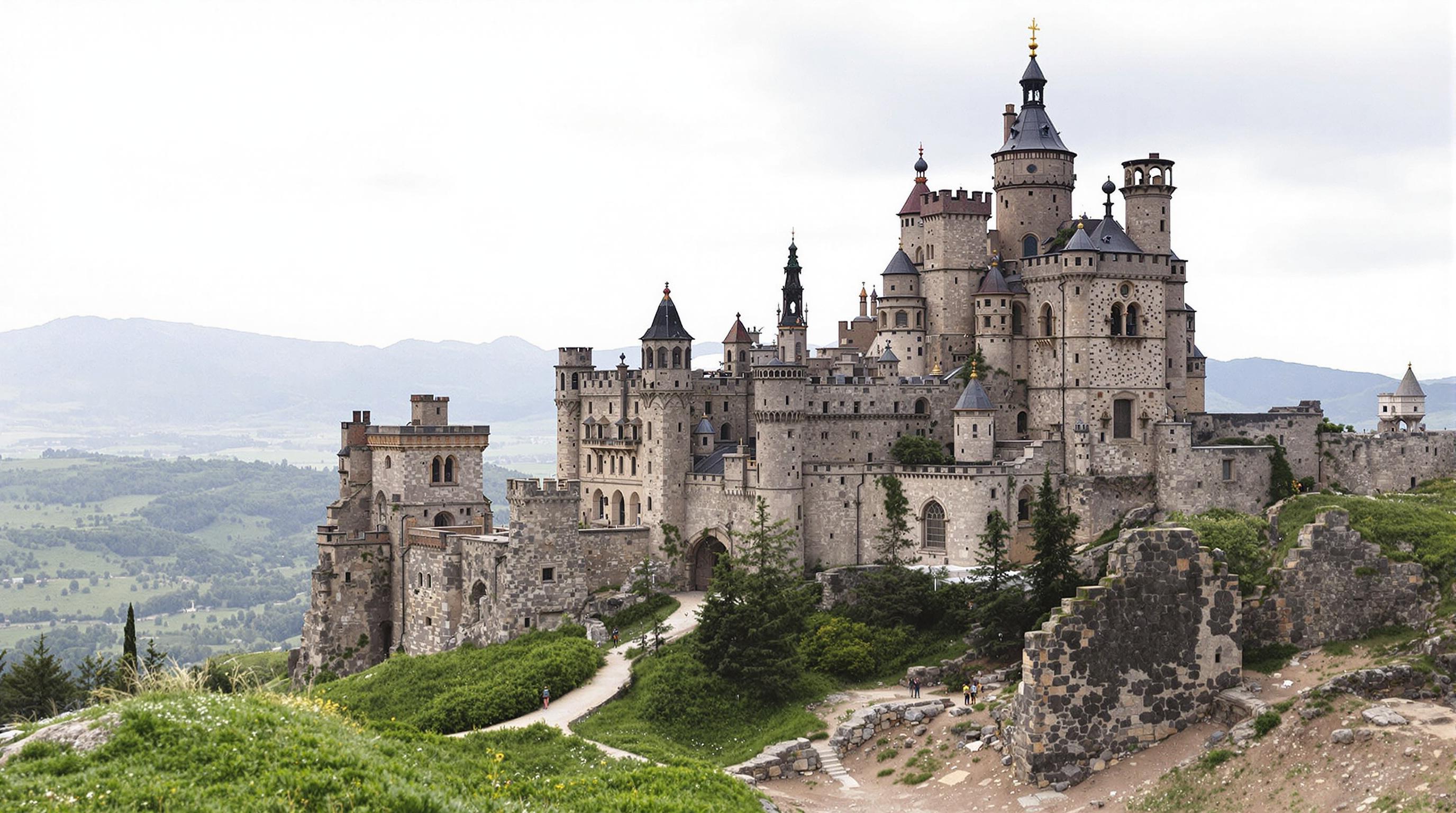
10 Enigmatic Escapes: A Journey Through the World’s Most Mysterious Landmarks and Their Spellbinding Tales
10 Enigmatic Escapes: A Journey Through the World’s Most Mysterious Landmarks and Their Spellbinding Tales
10 Enigmatic Escapes: A Journey Through the World’s Most Mysterious Landmarks and Their Spellbinding Tales
1. Stonehenge, England
Stonehenge stands as one of the most iconic symbols of prehistoric engineering and ritual in the world. These towering, prehistoric stone structures have puzzled archaeologists for centuries, as the purpose behind their construction remains heavily debated. Some believe it served as an astronomical observatory, while others argue it was a place of worship or even burial. Whatever its true purpose, its allure lies in its mysteries and the narratives woven around earth and sky.
Located on the Salisbury Plain, the landscape contributes to the otherworldly vibe of Stonehenge. Visitors often report a palpable energy that surrounds the site, enhancing the experience as they stroll amidst the ancient stones. A UNESCO World Heritage site, it attracts over a million visitors each year—people seeking connection to the past and its spiritual enigmas.
Stonehenge also plays host to various festivals, notably the Summer Solstice, where thousands gather to witness the sunrise align with the stones, further fueling tales of magic and rituals that may have taken place millennia ago. Experiencing the grandeur of Stonehenge is more than simply observing history; it’s about stepping into a narrative that transcends time.
2. Machu Picchu, Peru
Nestled high in the Andes Mountains, Machu Picchu remains one of the most captivating archaeological sites on the planet. The site, believed to be a 15th-century Incan citadel, offers stunning views and reveals insights into a civilization that thrived amidst harsh landscapes. Discovered by Hiram Bingham in 1911, Machu Picchu has since enchanted visitors with its remarkable stonework and sophisticated agricultural terraces.
Machu Picchu is often shrouded in fog and mystery, adding to its charm. Legends abound about its purpose: some suggest it was a royal estate, while others believe it was a spiritual retreat. The absence of concrete historical records leaves plenty of room for speculation, allowing every traveler to weave their own story while soaking in the magical atmosphere.
The Inca Trail, which many travelers hike to reach Machu Picchu, complements the experience, as it offers breathtaking scenery and glimpses of ancient ruins along the way. The journey to the citadel isn’t just a hike but a pilgrimage into a world where nature and history intertwine seamlessly.
3. The Bermuda Triangle, Atlantic Ocean
The Bermuda Triangle, a loosely defined region between Miami, Bermuda, and Puerto Rico, is notorious for the sudden disappearance of ships and aircraft. Tales of vanishing vessels and planes, often accompanied by supernatural explanations, have captured public imagination for decades. This spate of mysteries has birthed numerous theories ranging from magnetic anomalies to extraterrestrial interventions.
While skeptical researchers highlight natural explanations, the folklore surrounding the Bermuda Triangle has flourished. Stories of ghost ships, strange lights, and navigational errors perpetuate the area's enigmatic reputation. The very waters of the triangle hold their secrets tightly, inviting explorers to wrestle with curiosity and dread as they traverse its boundaries.
As societies grow more technological, the allure of the Bermuda Triangle escalates, encouraging thrill-seekers and adventurers to test their luck. Each journey into this mystifying sea is shrouded in the spirit of discovery—an invitation to unravel more than just the secrets of the waters but also to confront inner fears and quests for the unknown.
4. Easter Island, Chile
Easter Island, known as Rapa Nui by its indigenous people, boasts one of the most mysterious archaeological profiles in the world, featuring hundreds of massive stone heads called moai. These sculptures are thought to reflect the ancestral worship of the Rapa Nui culture and their deep connection to their land, yet many questions remain unanswered. Why were they built? How were they transported? What led to their eventual decline?
The island itself, remote and windswept, contributes to the allure of its moai, casting shadows over the stories of a people who left behind an intricate legacy. Various theories abound regarding the societal collapse on the island, prompting discussions around sustainability, resource management, and resilience—a narrative that resonates with contemporary global challenges.
Visitors are beckoned by the mysteries of Easter Island and its hauntingly beautiful landscapes. While wandering among the moai, one cannot help but reflect on the stories of a civilization that thrived and faded, forever captured in stone and folklore. The remnants of Rapa Nui teach us that history is a patchwork of triumphs and trials that continues to echo through time.
5. The Pyramids of Giza, Egypt
The Pyramids of Giza, particularly the Great Pyramid, stand as testament to ancient Egyptian engineering and an enduring symbol of our fascination with the afterlife. Built around 2580–2560 BC, the Great Pyramid was initially a tomb for Pharaoh Khufu and has ignited endless speculation about the construction techniques used and the purpose of the pyramids. The sheer scale and precision of these structures defy modern understanding.
The accompanying Sphinx, whose enigmatic gaze watches over the pyramids, adds layers to the narrative rich in mythology and divine kingship. Ancient Egyptians believed in an afterlife, which is reflected in the pyramids' elaborate internal chambers designed to house the buried pharaoh's belongings for eternity. This intertwining of history and mythology captivates visitors stepping into a world steeped in mystery.
As one of the Seven Wonders of the Ancient World, tours to the Pyramids often carry the fascination of both history enthusiasts and casual travelers. Visitors are not merely observers but part of a living historical dialogue, placing their footprints in the same sands where Pharaonic dreams were built with labor and reverence, forever inviting speculation on what lies beyond death.
6. The Colosseum, Italy
The Colosseum, Rome’s iconic amphitheater, radiates mystery in its ancient stones, holding echoes of gladiators, animals, and emperors. Completed in AD 80, this colossal structure was the stage for dramatic blood sports and grand spectacles, embodying the complexity of Roman life. It is a reminder of the empire's might and the darker thrills that captivated audiences.
Legends speak of the struggles within its walls—spectacles designed to assert power, entertain, and distract the populace. Its decline over centuries has led to intriguing tales of medieval transformations, with the structure repurposed for housing, workshops, and even a Christian shrine. Each layer reveals the duality of human history, where glory dances perilously close to brutality.
Today, the Colosseum is a testament to resilience and reinvention. As travelers walk through its arches, they experience not just a showcase of architectural innovation but also a reflection of societal evolution—a space where history has left imprints of both light and shadow, calling for an exploration of humanity's past sins as well as its artistic triumphs.
7. The Great Wall of China
The Great Wall of China, stretching over 13,000 miles, is a marvel of engineering and a symbol of ancient China’s power and determination. What began as separate fortifications evolved into an extensive system flanking the northern borders of the empire, a testament to the spirit of resistance against invasions. Each segment tells individual tales of bravery and struggle marking the ebb and flow of dynasties.
The wall, built through challenging landscapes, incorporates various materials ranging from earth to stones, adapting to its surrounding terrains. Its construction required immense effort and labor, leading to legends of sacrifices embedded in the grains of the wall. Visitors walking along its pathways feel the weight of history, which pulses through the bricks and mortar, each step resonating with centuries of resilience.
Modern-day travelers are captivated by the Great Wall not just for its extraordinary length and design but for the layers of stories it encapsulates. Each watchtower offers panoramic views and a moment for reflection on the magnitude of human endeavor and the enduring spirit that built this ancient sentinel against the unfathomable. The Great Wall stands defiant, a timeless reminder of humanity's quest for safety and its deep-rooted narratives.
8. The Moeral's Temples, Italy
Burrowed deep within the rolling hills of Italy lies the lesser-known yet equally enigmatic site of the Moeral’s Temples. Dating back to the 4th century BC, this amphitheater-like arrangement of temples offers a glimpse into sacred practices hidden from the mainstream narrative of ancient Rome. Scholars suggest that it might have been dedicated to mystery religions—ritualistic practices understood only by a select few.
The site, characterized by its intricate frescoes and architecture, creates a sense of reverence—a place where the veil between the earthly realm and spiritual realms may have been ceremoniously lifted. However, much of the site’s history remains elusive, buried under layers of time and secrecy, reflecting the human affinity for hidden truths.
Visiting the Moeral's Temples grants a unique opportunity for reflection and contemplation amidst ancient whispers. The site invites you to forge your own connection with the supernatural powers that may have once resonated here—a quest not just through history, but through the very essence of what it means to engage with the unknown and the divine.
9. Angkor Wat, Cambodia
Angkor Wat, the largest religious monument in the world, symbolizes the pinnacle of Khmer architecture, drawing millions of visitors to its sacred grounds. Originally built as a Hindu temple dedicated to the god Vishnu in the early 12th century, it gradually transformed into a Buddhist sanctuary. The site’s intricate bas-reliefs still narrate stories of gods and legends, evoking a sense of timelessness and reverence.
The sheer scale and detail of Angkor Wat manifest in every structure, as ancient artisans painstakingly carved narratives into the temple walls, much of which remain palpable beneath the foliage of the surrounding jungle. Each stone resonates with the cultural and spiritual engagement of its creators, offering a lens through which to view the grandeur of a civilization that defies time.
Exploring Angkor Wat is an immersive journey through history, compelling visitors to appreciate the artistry and spirituality interwoven within its walls. The whispers of monks and artisans echo amid the towering spires, requiring travelers to pause and reflect on the interplay between devotion and artistry—an extraordinary tapestry crafted through centuries.
10. The Nazca Lines, Peru
The Nazca Lines, a collection of enormous geoglyphs etched into the Nazca Desert floor, provoke wonder and intrigue. Spanning up to 1,200 feet in width, these ancient designs—ranging from simple lines to complex figures resembling animals, plants, and even human-like shapes—remain shrouded in mystery regarding their original intent. Scholars speculate they might have served astronomical purposes or been pathways for ancient rituals, yet the true motivation continues to elude us.
The sheer scale of the Nazca Lines can only be fully appreciated from the sky, leading to theories of divine messages visible only to gods or celestial bodies. Their preservation for centuries in the arid climate of southern Peru showcases not only the ingenuity of the Nazca civilization but also a longing to communicate across time and space.
Visiting the Nazca Lines imparts a sense of wonder as travelers stand in awe of these ancient works, contemplating the lines that defy imagination. They serve as a reminder that some mysteries may never be solved, yet exploring them inspires dialogue about human creativity, spirituality, and the varied expressions of culture across the ages.
Read More