
Related Articles
- Uncharted Escapes: Navigating the Controversial Allure of Fringe Destinations and Their Untold Stories
- Uncharted Realms: The Surprising Intersection of Urban Legends and Adventure Travel in Offbeat Locations
- Curious Chronicles: Bizarre Transport Innovations Shaping Uncommon Explorations Across Unvisited Trails
- The Forgotten History of Eco-Adventuring: Learning from Indigenous Practices for Modern Exploration
- The Hidden Impact of Eco-Conscious Adventure Games on Environmental Education and Community Resilience
- Uncommon Routes: The Unexpected Appeal of Ghost Town Hikes in Eco-Friendly Exploration
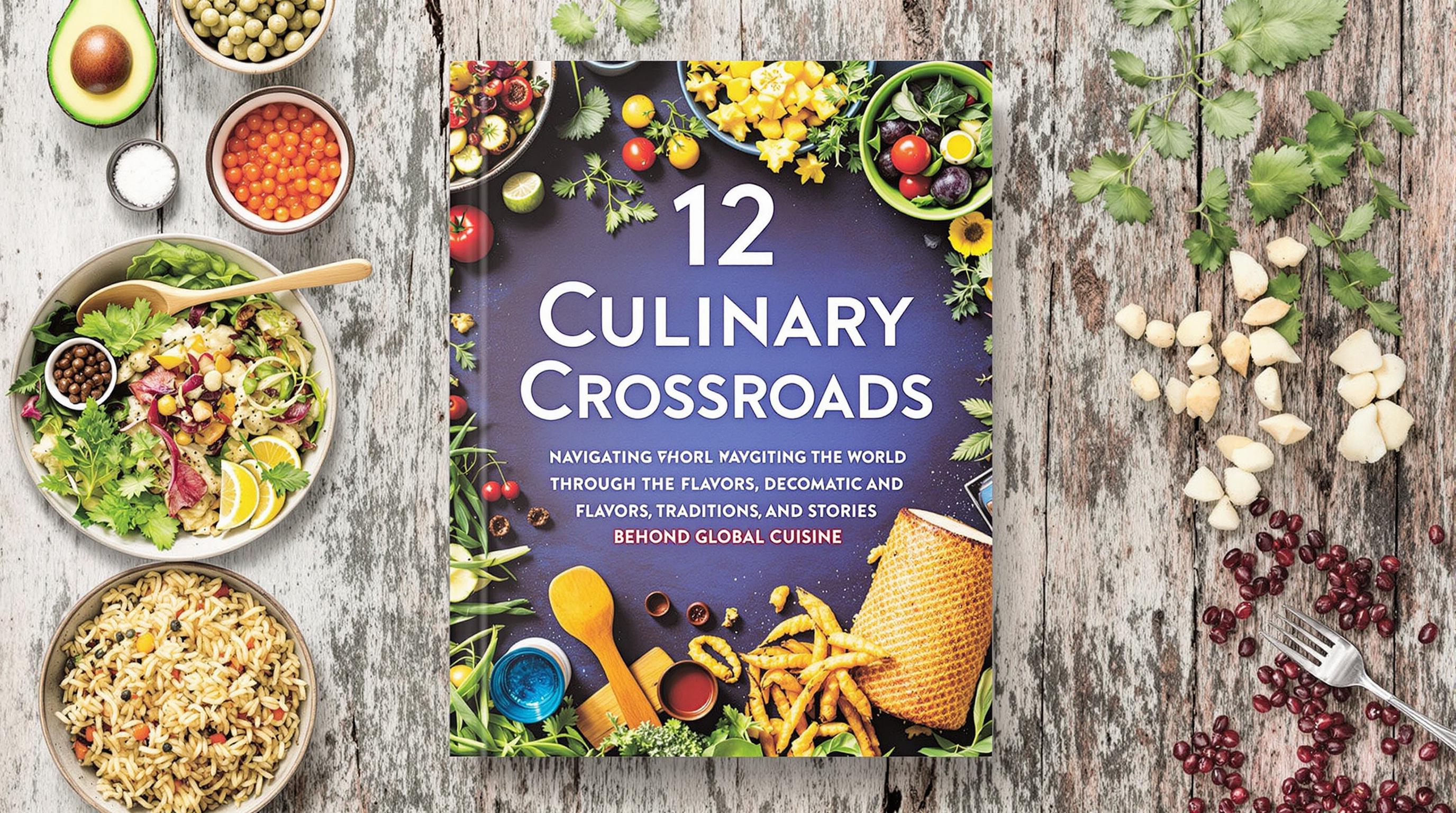
12 Culinary Crossroads: Navigating the World Through the Flavors, Traditions, and Stories Behind Global Cuisine
12 Culinary Crossroads: Navigating the World Through the Flavors, Traditions, and Stories Behind Global Cuisine
Introduction
Traveling through the world often leads us not just to new landscapes and cultures, but also to the rich tapestry of flavors that define a region's cuisine. Culinary traditions serve as windows into the history, geography, and sociopolitical dynamics of a place. Each dish tells a story—a narrative forged by the intersection of varied ingredients, preparation methods, and the intricate interplay between cultures.
This article explores 12 culinary crossroads that have shaped global cuisine. By examining the flavors, traditions, and stories behind these vibrant culinary landscapes, we can gain a deeper appreciation for how food connects us all. Each section highlights a significant region or culinary tradition, showcasing its unique contributions to the global gastronomic narrative.
From the spice markets of Morocco to the pasta kitchens of Italy, we embark on a journey that not only fills our bellies but enriches our minds and hearts. Let us navigate this intricate world of culinary artistry together.
1. The Spice Route: Flavors of Persia and Beyond
Pioneering trade routes, particularly the ancient Spice Route, brought about a rich intermixing of flavors between lands like Persia, India, and Southeast Asia. The aromatic spices of saffron, cinnamon, and turmeric have transcended borders, finding their way into various dishes across continents.
In Persian cuisine, spices are not merely flavor enhancers; they are a medium to convey history and cultural significance. The famed dish, Ghormeh Sabzi, exemplifies this, featuring a blend of herbs, dried limes, and kidney beans cooked with tender chunks of meat, creating a complex and aromatic stew.
This exchange of spices illustrates the cultural amalgamation that occurred along this trade route, where culinary techniques were adopted and adapted, forging connections that continue to this day.
2. The Mediterranean Mosaic
The Mediterranean region is a culinary crossroads where diverse cultures converge, leading to an array of tastes and traditions. Spanning from Morocco to Greece, the Mediterranean incorporates flavors that reflect its rich history, influenced by various civilizations such as the Romans, the Ottomans, and more.
Dishes like Tabbouleh from Lebanon and Pasta Puttanesca from Italy demonstrate this rich culinary legacy, using locally sourced ingredients such as fresh herbs, vibrant vegetables, and an abundance of olive oil—each representing the land and lifestyle of its origin.
Ultimately, the Mediterranean spirit serves as a testament to the harmony of different culinary traditions, fostering relationships through shared meals and combined flavors. Each bite is a canvas painted with the stories of empires past.
3. The Asian Influence: East Meets West
Asia, a diverse continent with a multitude of cultures and languages, offers a staggering variety of culinary experiences. The fusion of Eastern and Western flavors is represented in dishes that incorporate sauces, spices, and cooking methods from different parts of the globe.
Consider the Asian fusion trend that gained traction in recent decades, combining elements like teriyaki with gourmet ingredients or Italian pastas with Asian spices. Dishes like Sushi Burritos are perfect examples of this contemporary culinary cultural exchange.
With this fusion arises a story of modern globalization, dissecting traditional practices and reconstructing them in innovative ways. The culinary landscape continues to evolve, echoing the interconnectedness of our time.
4. The Latin American Palette
Latin America boasts a colorful blend of indigenous and colonial influences that shape its cuisine. Nations like Mexico, Brazil, and Peru present flavors rich with history, from native ingredients such as corn and beans to the spices brought by European colonizers.
Dished like Ceviche from Peru and Tacos from Mexico showcase the vibrant tapestry of these culinary crossroads. Fresh ingredients and robust flavors come together for memorable meals that celebrate their roots while embracing modern improvisation.
The culinary connection within Latin America evokes a sense of community as families pass on cooking traditions, ensuring that each generation carries the stories of their ancestors through food. This cultural legacy preserves both the past and present in every savory bite.
5. The Heart of Africa: Flavors and Traditions
Africa's vast landscapes and varied cultures contribute significantly to its diverse culinary practices. Traditional African cuisine is often community-based, with gatherings revolving around shared meals that signify togetherness and celebration.
In regions like West Africa, dishes such as
Culinary storytelling plays an important role here, as recipes are passed down orally. By sharing these meals, communities foster an appreciation for the cultural narratives that interlace with every ingredient and flavor, reaffirming identity and history.
6. The Bounty of the American South
The American South, known for its distinctive cuisine, features a rich blend of African, Native American, and European flavors. Southern cooking is deeply rooted in tradition and often hinges on recipes handed down through generations, resulting in a culinary landscape defined by comfort and hospitality.
Classic dishes like Gumbo and Fried Chicken illustrate this melting pot of influences, where rich flavors are accentuated with ingredients that tell stories of resilience, creativity, and community. Ingredients such as okra, cornbread, and greens speak of the agricultural heritage particular to the South.
The spirit of Southern cuisine exudes warmth and a sense of belonging. It's not just about nourishment; it's a celebration of the cultural tapestry woven through generations, inviting everyone to the table.
7. The Nordic Chronicles
Nordic cuisine has undergone a renaissance, transforming traditional practices into contemporary delights that emphasize seasonal and local ingredients. This movement is a response not only to global culinary trends but also to the region's unique climate and landscape.
Dishes like Gravlax and Rømmegrøt reflect a cultural legacy that places a significant emphasis on sustainability and respect for the environment. The use of foraged and seasonal ingredients highlights a deep connection to the land and climate.
As these culinary traditions are celebrated and reinterpreted, they showcase the depth of Nordic gastronomy. The stories behind these flavors are intertwined with folklore, environmental consciousness, and an emerging pride in local heritage, inviting the world to take a taste.
8. The Richness of Indian Cuisine
Indian cuisine is a sensory journey, heavily influenced by its diverse cultures and regions. The use of spices and cooking techniques reflects centuries of history, resulting in a colorful array of dishes that cater to a multitude of tastes and preferences.
Signature dishes like Biryani and Butter Chicken demonstrate the balance between flavor, texture, and aroma, often paired with staples like naan or rice that complete the meal. Every region in India offers something unique, showcasing varied culinary traditions.
The complexity of Indian food has roots in its social structures, where meals are often an expression of cultural identity and communal bonds. The narratives behind food in India not only tell of culinary expertise but also encompass spirituality, storytelling, and hospitality.
9. The Flavors of the Caribbean
The Caribbean islands offer a vibrant blend of flavors influenced by indigenous peoples, colonialism, and immigration. The result is a rich culinary landscape where each island contributes its unique flair, creating a tapestry of tastes that are both eclectic and iconic.
Dishes such as Jerk Chicken from Jamaica and Roti from Trinidad showcase how local ingredients, spices, and cooking methods come together to create memorable meals that tell stories of survival and cultural fusion.
Caribbean cuisine embodies joy and vibrancy, frequently celebrated with music and dance. Dining here is more than just a meal; it's an experience laden with history, resilience, and a joyful connection to community and culture.
10. The Culinary Future: Innovations and Trends
The culinary landscape is continuously evolving, shaped by trends in sustainability, technology, and global connectivity. As borders blur and people become increasingly aware of food’s impact on health and the environment, innovative culinary practices emerge.
Movements like farm-to-table and plant-based diets highlight the desire for ethical consumption, while the rise of global food delivery services reflects a growing appetite for diverse cuisines. This dynamic creates a new narrative, emphasizing the importance of sustainability in our culinary choices.
As we forge ahead, the future of global cuisine looks bright, with new flavors and stories waiting to be discovered. Each dish we create or taste is an opportunity to explore cultures and traditions, contributing to the ever-growing legacy of culinary art across the globe.
Read More