Related Articles
- Uncharted Escapes: Navigating the Controversial Allure of Fringe Destinations and Their Untold Stories
- Uncharted Realms: The Surprising Intersection of Urban Legends and Adventure Travel in Offbeat Locations
- Curious Chronicles: Bizarre Transport Innovations Shaping Uncommon Explorations Across Unvisited Trails
- The Forgotten History of Eco-Adventuring: Learning from Indigenous Practices for Modern Exploration
- The Hidden Impact of Eco-Conscious Adventure Games on Environmental Education and Community Resilience
- Uncommon Routes: The Unexpected Appeal of Ghost Town Hikes in Eco-Friendly Exploration
9 Modern Marvels: Discovering Technological Wonders and Futuristic Cities that Redefine Global Travel for the Adventurous Tourist
9 Modern Marvels: Discovering Technological Wonders and Futuristic Cities that Redefine Global Travel for the Adventurous Tourist
9 Modern Marvels: Discovering Technological Wonders and Futuristic Cities that Redefine Global Travel for the Adventurous Tourist
1. A Glimpse into Smart Cities
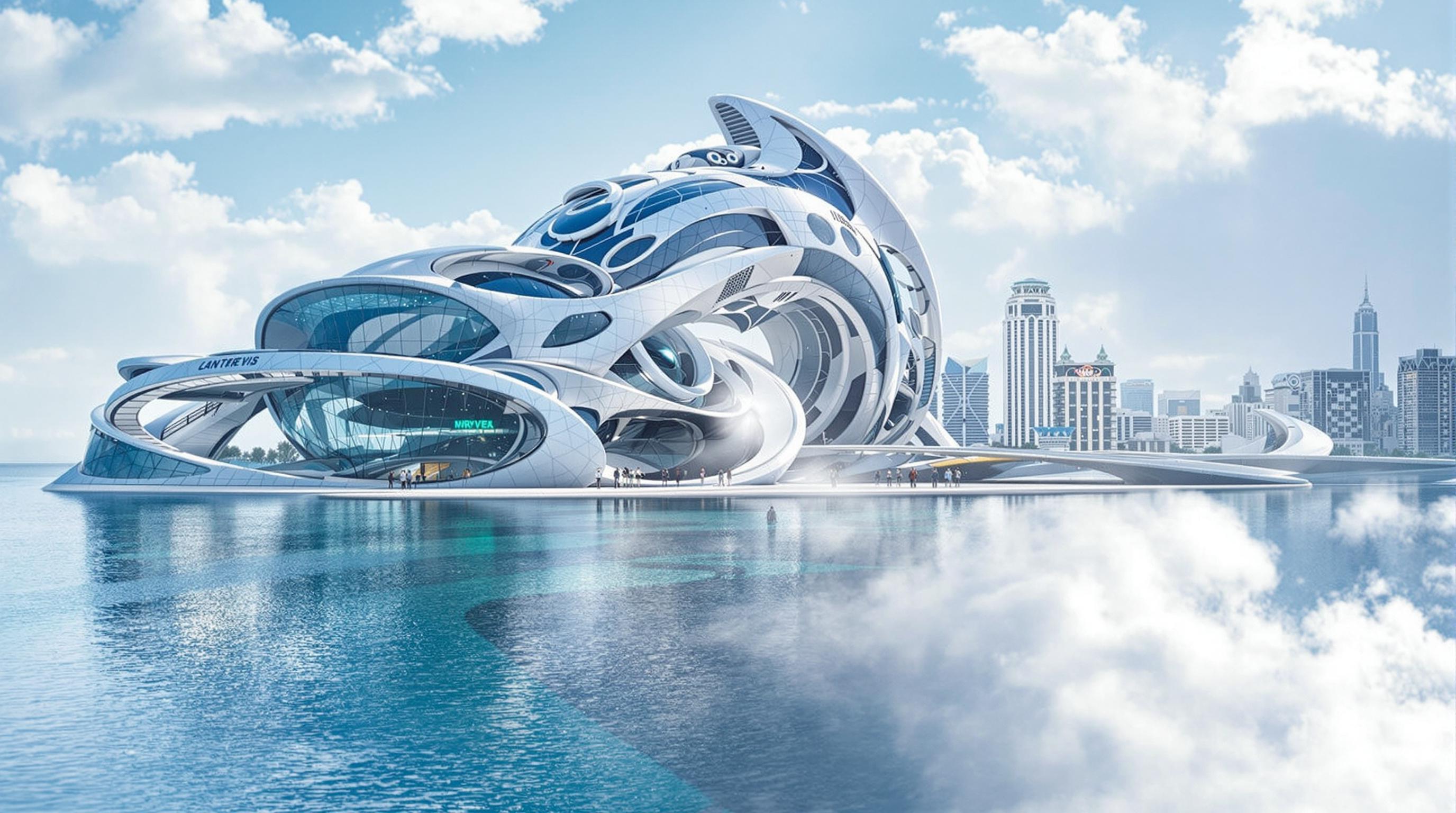
Smart cities have emerged as the new frontier for urban development, integrating cutting-edge technology to enhance the quality of life for residents and tourists alike. Cities like Singapore and Barcelona are at the forefront of this movement, utilizing data analytics and IoT (Internet of Things) devices to improve traffic management, optimize energy use, and elevate public safety. Such advancements not only streamline services but also create a seamless experience for visitors.
In Singapore, for example, the use of a comprehensive data system allows the city to monitor and manage everything from public transport to waste management in real-time. This chic urban oasis combines natural beauty with digital efficiency, attracting millions of tourists who marvel at its futuristic architecture and smart infrastructure.
As more cities across the globe adopt smart technology, the potential for travel experiences becomes limitless. Passengers can expect to interact with their surroundings in exciting new ways, thanks to intelligent urban planning and innovations tailored to the modern traveler.
2. Hyperloop: The Future of Travel
The Hyperloop represents a revolutionary leap in transportation. This proposed high-speed train concept, originally envisioned by Elon Musk, uses magnetically levitated pods that travel through vacuum tubes—bringing travel speeds potentially faster than commercial flying. Imagine zipping from San Francisco to Los Angeles in about 30 minutes!
While still in experimental phases, companies like Virgin Hyperloop and others are racing to build the first working prototypes. The implementation of Hyperloop systems could drastically reduce travel times and increase intercity connectivity. It transforms our understanding of distance and encourages spontaneous visits to far-off locations without the tediously long commutes.
For adventurous tourists, embracing such fast-paced travel means new possibilities for day trips and extended explorations without the hassle of lengthy flights or hours spent on highways. A traveler's glance at the future reveals even more potential for adventure at our fingertips.
3. Autonomous Travel: Freedom on Wheels
Picture this: you're lounging in your self-driving car, catching up on your favorite series while the vehicle navigates through city streets on its own. Autonomous vehicles are no longer merely the stuff of science fiction; they are rapidly becoming a reality. Companies like Waymo and Tesla are leading the way in developing cars that use advanced AI to facilitate completely hands-free travel.
The implications for global travel are profound: imagine hopping into an autonomous taxi that takes you to historical landmarks or cultural hotspots without the stress of navigating unfamiliar locations. Such improvements could revolutionize tourism, making cities more accessible and less intimidating for visitors.
However, the arrival of self-driving cars also raises pertinent questions about safety, ethics, and employment within the transportation industry. The evolution of the travel landscape brings both excitement and uncertainty as we navigate this new era of travel.
4. Virtual Reality: Transforming Travel Planning
Virtual Reality (VR) is transforming how potential travelers explore and experience destinations before they even set foot outside their homes. With VR headsets allowing users to immerse themselves in realistic simulations of places, travel planning takes on an exhilarating new dimension.
Travel agencies and hospitality brands are adopting VR tools to enable guests to “try before they buy,” showcasing everything from hotel rooms and pristine beaches to thrilling adventure activities. Imagine testing out a zip line in Costa Rica before deciding to book that zip line tour!
As this technology continues to evolve, travelers can expect a more enriched decision-making process and a deepened appreciation for their chosen destinations. However, as with all technologies, there remains a balance between virtual exploration and the joys of physical travel.
5. 3D Printing: Personalizing Travel Essentials
In the realm of travel, 3D printing is revolutionizing how travelers obtain essential items. From customized travel gear to unique souvenirs, this technology enables instantaneous production of widely sought-after items. Lost your favorite travel pillow at the airport? No worries—local 3D printing shops can produce an exact replica in mere hours.
This capability not only adds convenience for travelers but also supports local businesses, as many communities may invest in 3D printing technology to cater to the diverse needs of tourists. Additionally, the idea of personalized travel essentials opens doors to limitless creativity and innovation.
As 3D printing becomes mainstream in travel, visitors will explore exciting new avenues for individual expression and practicality, and experience destinations in ways previously unfathomable.
6. Sustainable Accommodations: Eco-Forward Hotels
The modern tourist increasingly seeks sustainability and responsibility from hotels and accommodations. Eco-friendly hotels designed with cutting-edge green technology are popping up in cities worldwide, catering to environmentally conscious adventurers. Establishments like the Treehotel in Sweden and the Nanuku Resort in Fiji combine luxury with ecological mindfulness.
These hotels incorporate solar panels, repurposed materials, and advanced waste management systems, ensuring a minimal ecological footprint. Additionally, this focus on sustainability is not merely noise—it reflects a profound cultural shift within the hospitality industry.
Travelers can enjoy guilt-free vacations in such eco-forward hotels, providing them with memorable experiences while contributing to a more sustainable world. It’s a win-win for both travelers and the planet!
7. Drones: The New Tour Guides
Drones are redefining how tourists engage with destinations, offering unique aerial perspectives and facilitating innovative tours. Beyond simple photography, companies are developing drone-based services where guests can entrust their travel experience to flying guides that take them above the crowds.
These drones can deliver everything from real-time information about local history to suggestions for picturesque viewpoints, deepening travelers' exploration. Thanks to advanced technology, drone functionality is improving dramatically, making them a reliable complement to traditional tour guides.
As regulations evolve, tourists can expect drone experiences to become part of modern itineraries, helping to widen our appreciation of landscapes and cities. This convergence of technology and tourism will certainly make for some unforgettable memories!
8. Augmented Reality: Enhancing Experience
Augmented Reality (AR) is another groundbreaking technology reshaping how travelers experience destinations. Unlike VR, which immerses users in entirely digital environments, AR overlays digital information onto the physical world, creating unique interactive experiences.
Applications like Google Lens empower users to unlock rich historical data about monuments with a simple scan of their devices, offering context and stories that breathe life into tourist attractions. From engaging city tours to interactive museum exhibits, AR innovates storytelling for adventurous travelers.
By bridging the gap between physical and digital realms, AR will redefine the nature of exploration. Expect to see a surge in AR applications dedicated to enriching global travel as device capabilities multiply.
9. Futuristic Airports: Beyond Just Terminals
Airports are undergoing a transformation, with futuristic designs and advanced technologies improving the traveler experience. Modern airports, such as Changi Airport in Singapore and Hamad International Airport in Qatar, incorporate stunning architecture alongside efficiency. With gardens, art installations, and spaces for relaxation, these new transit hubs resemble comprehensive travel destinations rather than mere terminals.
Significant innovations like biometric boarding and automated baggage handling systems streamline check-in and improve security, making flying more enjoyable. This evolution transcends the typical dread associated with air travel, transforming it into a seamless and almost enjoyable experience.
As airports evolve into expansive entertainment and relaxation spaces, passengers become adventurers through global travel, fostering a renewed love for exploration. The future of transportation isn't just about getting from point A to B; it's about captivating experiences that start as soon as the journey begins.
Read More