Related Articles
- Uncharted Escapes: Navigating the Controversial Allure of Fringe Destinations and Their Untold Stories
- Uncharted Realms: The Surprising Intersection of Urban Legends and Adventure Travel in Offbeat Locations
- Curious Chronicles: Bizarre Transport Innovations Shaping Uncommon Explorations Across Unvisited Trails
- The Forgotten History of Eco-Adventuring: Learning from Indigenous Practices for Modern Exploration
- The Hidden Impact of Eco-Conscious Adventure Games on Environmental Education and Community Resilience
- Uncommon Routes: The Unexpected Appeal of Ghost Town Hikes in Eco-Friendly Exploration
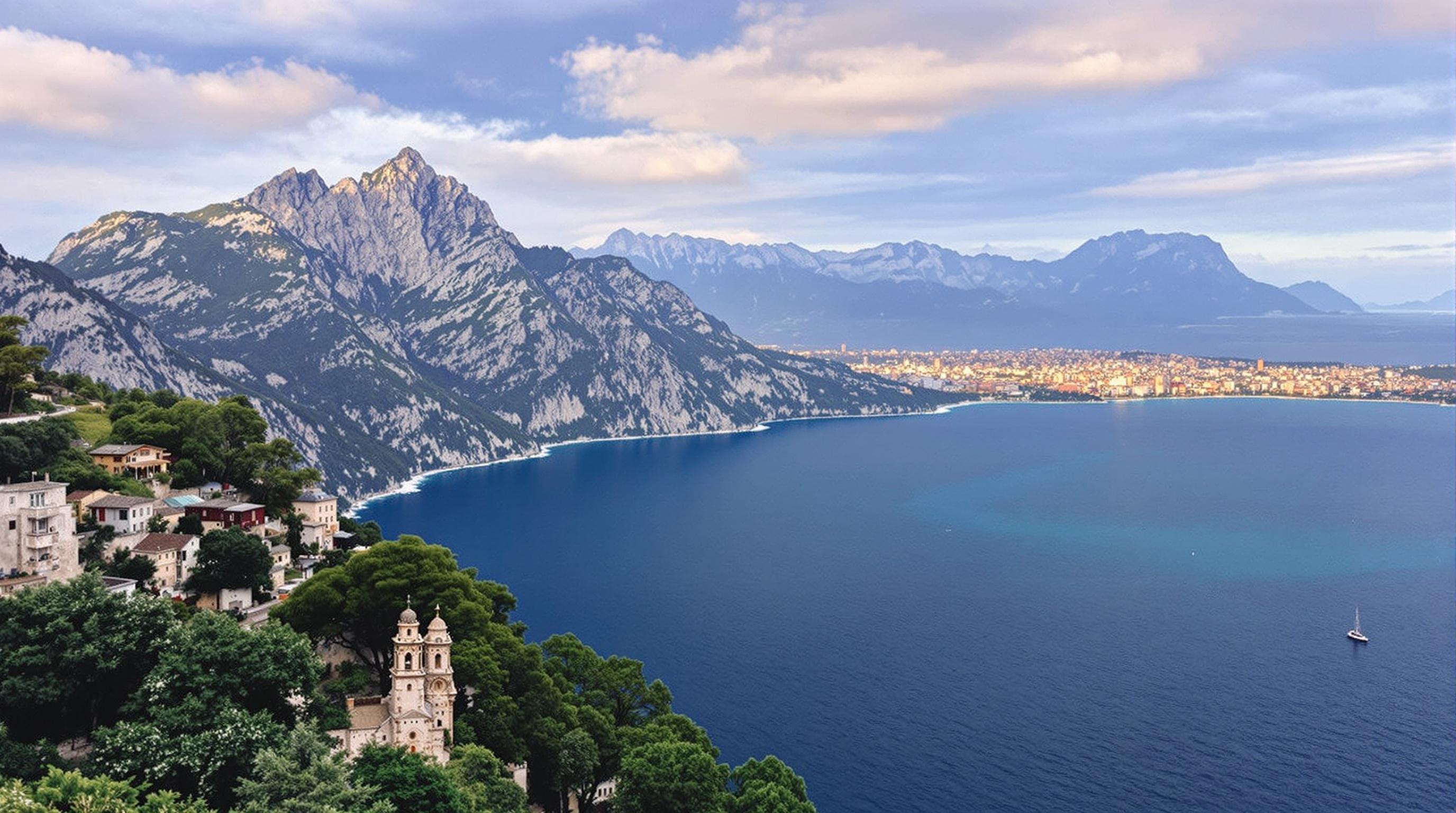
10 Unexplored Escapades: Navigating Offbeat Routes to Illuminate Hidden Cultures and Distinctive Life Experiences
10 Unexplored Escapades: Navigating Offbeat Routes to Illuminate Hidden Cultures and Distinctive Life Experiences
10 Unexplored Escapades: Navigating Offbeat Routes to Illuminate Hidden Cultures and Distinctive Life Experiences
1. The Mystique of Mongolia
Mongolia's vast, windswept steppes offer a unique experience for the adventurous traveler. While the capital city, Ulaanbaatar, is often the starting point, the real magic lies in the untouched landscapes and nomadic cultures. Staying in a traditional ger gives visitors firsthand insights into the daily lives of nomadic herders.
Exploring the Great Gobi Desert opens doors to an ecosystem rich with unique wildlife and stark beauty. Visitors may encounter the rare snow leopard or Bactrian camel, and engage with local herders, deepening their understanding of sustainable living in harsh environments.
Cultural festivals, such as Naadam, showcase traditional sports like horse racing, wrestling, and archery, providing a vibrant tableau of Mongolian culture. These experiences transcend mere observation, allowing travelers to connect authentically with local communities.
2. The Tranquility of Bhutan
Nestled in the Eastern Himalayas, Bhutan stands out as a beacon of cultural preservation and environmental conservation. Governed by the principle of Gross National Happiness, Bhutan promotes well-being over mere economic growth. Visitors can explore its ancient monasteries, such as the iconic Paro Taktsang, perched on a cliffside.
Bhutan’s rich traditions manifest in its vibrant festivals, such as Tsechu, where locals gather to celebrate with masks, dances, and rituals steeped in history. Participants find meaning in these events, forging connections to Bhutanese heritage that span generations.
Nature lovers can trek the Snowman Trek or venture to the Phobjikha Valley, home to the endangered black-necked crane. Engaging with local guides not only enhances the trekking experience but also supports community livelihoods and ensures sustainable tourism.
3. The Vibrancy of Madagascar
Madagascar, the world's fourth largest island, is a treasure trove of biodiversity and endemic species. Its picturesque landscapes, from the otherworldly Avenue of the Baobabs to the lush rainforests of Andasibe-Mantadia National Park, offer exploration opportunities that reveal unique ecological systems.
The rich cultural tapestry of Madagascar, influenced by African, Asian, and European traditions, comes to life in the country's festivals, music, and crafts. The traditional practice of famadihana, or the turning of the bones, provides a fascinating lens into how families honor their ancestors.
Engaging with local communities, such as the fishing villages along the coast, enhances the travel experience and fosters appreciation for their sustainable practices that respect the island's fragile ecosystems. These interactions can shape a deeper understanding of the delicate balance between nature and culture.
4. The Charm of Georgia
Georgia, nestled at the crossroads of Europe and Asia, boasts a rich cultural heritage and stunning landscapes. From the vibrant capital of Tbilisi with its eclectic architecture to the picturesque vineyards of Kakheti, the country presents a nexus of history and modernity.
The ancient tradition of winemaking in Georgia dates back 8,000 years, making it one of the oldest wine-producing countries. Visitors can explore local wineries, participate in tastings, and learn about the unique qvevri method of fermentation, which embodies the country's deep agricultural roots.
Traditional feasts known as supra highlight Georgian hospitality; these gatherings, filled with food, wine, and toasts, foster a strong sense of community and connection. Experiencing a supra allows travelers to savor the flavors of Georgian culture and form lasting bonds with locals.
5. The Enchantment of Iran
With a storied history that spans millennia, Iran offers a dazzling array of experiences that reflect its rich cultural heritage. From the stunning architecture of Isfahan's mosques to the bustling bazaars of Tehran, the contrasts between ancient and contemporary are striking.
The natural beauty of Iran is equally captivating, with the Alborz Mountains offering breathtaking vistas and opportunities for outdoor adventures such as trekking and skiing. The diverse landscapes, ranging from deserts to forests, provide a backdrop for exploration that is often overlooked by typical travelers.
Engaging with locals reveals the warmth and hospitality of Iranian culture. Culinary experiences, such as shared meals featuring traditional dishes like kebab and saffron rice, foster connections that transcend cultural boundaries. These personal interactions enrich the journey beyond mere sightseeing.
6. The Magic of the Azores
The Azores archipelago, located in the Atlantic Ocean, is a paradise for nature lovers and adventure seekers. Known for its dramatic volcanic landscapes, lush greenery, and whale-watching opportunities, the islands offer unique experiences away from mass tourism.
Each island has its own personality; São Miguel is renowned for its geothermal hot springs, while Pico is known for its wine production and climbing activities on Portugal's highest mountain. Engaging with local fishermen or farmers provides insight into the region’s sustainable practices in harmony with nature.
The Azores also host a variety of traditional festivals, celebrating local culture through music, dance, and culinary specialties. Participating in these events allows visitors to savor the genuine spirit of island life, forming deeper connections with its people and their traditions.
7. The Allure of Ethiopia
Ethiopia's history, culture, and geography present travelers with a multifaceted experience that is under-appreciated by many. Home to ancient civilizations, the country is noted for its rock-hewn churches in Lalibela, a UNESCO World Heritage site that exemplifies architectural brilliance and spiritual significance.
The diverse ethnic groups within Ethiopia each possess unique customs, languages, and traditions. Festivals like Timkat, which celebrates Epiphany, offer glimpses into the religious fervor and communal spirit that thrives in Ethiopian culture. The colorful processions and jubilant celebrations create an immersive experience for travelers.
Gastronomy plays a pivotal role in Ethiopian culture, best exemplified by the communal sharing of injera and various stews. Culinary tours provide travelers with opportunities to learn about the ingredients and techniques used while fostering connections with local chefs and families.
8. The Serenity of the Faroe Islands
The Faroe Islands, an autonomous territory of Denmark, are often overshadowed by Nordic travel hotspots but offer an idyllic escape for outdoor enthusiasts. Known for their dramatic cliffs, picturesque villages, and rich birdlife, the islands provide a natural playground for hiking, birdwatching, and photography.
The local culture blends Norse heritage with contemporary influences, seen in the islands' music, art, and culinary delights. Engaging with artists and participating in local workshops can deepen a traveler's understanding of Faroese life, offering a chance to explore the islands’ traditional crafts.
The annual islands' festival, Ólavsøka, is a vibrant celebration of culture and community. Visitors joining in on the festivities can appreciate traditional boat races, music, and dance, forging connections with locals who take pride in their unique heritage.
9. The Diversity of Papua New Guinea
Papua New Guinea stands out for its unmatched cultural diversity, boasting over 800 languages and distinct ethnic groups. This melting pot of traditions is reflected in the vibrant festivals that celebrate local heritage, showcasing intricate wood carvings, traditional dances, and colorful costumes.
The breathtaking landscapes of Papua New Guinea, from lush rainforests to mountainous terrain, offer adventures for trekkers and wildlife enthusiasts. The Kokoda Track, steeped in history, provides an opportunity for immersive exploration while connecting with local communities who live along the trail.
Engaging with the people of Papua New Guinea opens doors to unique cultural experiences, from sharing traditional meals to participating in village rituals. Such interactions foster a sense of respect for the land and its inhabitants, enriching the overall travel experience.
10. The Vibrance of the Amazon Basin
The Amazon Basin, stretching across several countries in South America, offers an unparalleled glimpse into the world’s largest rainforest. Its ecological diversity is home to countless species, many of which remain uncharted, presenting opportunities for eco-tourism and research.
Interactions with indigenous communities within the Amazon reveal traditional ways of living that emphasize harmony with nature. These interactions often challenge travelers' perceptions of modernity, offering transformative experiences that connect cultural understanding with environmental stewardship.
Eco-lodges and community-based tours promote sustainable practices that benefit both travelers and locals. By participating in these ventures, visitors can support conservation efforts while learning about the rich stories the Amazon holds within its depths.
Read More