Related Articles
- Uncharted Escapes: Navigating the Controversial Allure of Fringe Destinations and Their Untold Stories
- Uncharted Realms: The Surprising Intersection of Urban Legends and Adventure Travel in Offbeat Locations
- Curious Chronicles: Bizarre Transport Innovations Shaping Uncommon Explorations Across Unvisited Trails
- The Forgotten History of Eco-Adventuring: Learning from Indigenous Practices for Modern Exploration
- The Hidden Impact of Eco-Conscious Adventure Games on Environmental Education and Community Resilience
- Uncommon Routes: The Unexpected Appeal of Ghost Town Hikes in Eco-Friendly Exploration
10 Unthinkable Travel Safety Protocols from Space Missions: Lessons from Astronauts for Earthly Explorers
10 Unthinkable Travel Safety Protocols from Space Missions: Lessons from Astronauts for Earthly Explorers
10 Unthinkable Travel Safety Protocols from Space Missions: Lessons from Astronauts for Earthly Explorers
1. Pre-Launch Health Screenings
Before embarking on a space mission, astronauts undergo rigorous health assessments to ensure their physical and mental well-being. This involves extensive psychological evaluations and medical tests designed to uncover potential health issues that may arise during the mission. A healthy and mentally prepared astronaut is crucial when dealing with the stresses of space travel.
This practice can be adapted for long-distance earthly travel, such as expeditions or remote work assignments. By checking the health of team members before leaving, organizations can reduce the risk of medical emergencies during the journey. Utilizing telemedicine can also enhance routine health assessments for travelers.
Incorporating pre-travel health screenings into travel protocols not only safeguards the well-being of individuals but also enables companies to ensure they are sending a capable team into potentially hazardous environments, drawing from the careful strategies of space agencies like NASA (NASA, 2020).
2. Comprehensive Training Programs
Astronauts undergo extensive training that encompasses various scenarios they might encounter in space, including emergency situations. This training prepares them for the unpredictable nature of space missions, from equipment malfunctions to medical emergencies. By rehearsing these scenarios, astronauts build muscle memory and confidence for real-life challenges.
Earthly travelers can benefit from similar comprehensive training programs that address potential risks associated with their destinations. Organizations can simulate emergencies, equipping travelers with the knowledge and skills needed to handle situations such as natural disasters, civil unrest, or medical crises.
Such training could include first aid certification, survival skills, and risk assessment strategies based on location, thereby enhancing travelers' safety and preparedness for unforeseen circumstances.
3. Redundant Systems
Space missions are engineered with redundancy in mind, meaning there are backup systems in place for virtually every piece of critical equipment. For instance, if the primary oxygen supply fails, an alternative supply is readily available to ensure astronauts remain safe. This layered approach to safety minimizes the chances of failure and enhances mission success.
When it comes to earthly travel, implementing redundancy can mean having backup communication devices, alternative travel routes, or additional supplies that can come into play in case of an emergency. For example, travelers can carry extra power banks to keep devices functioning or secondary navigation tools to avoid getting lost.
This strategy fosters a sense of security and confidence, knowing that contingencies are in place if primary plans do not unfold as anticipated.
4. Incident Response Protocols
In the event of an unplanned incident, astronauts rely on well-documented protocols that guide their response. Every scenario, whether it’s a fire onboard or a spacewalk mishap, has specific steps that astronauts must follow, ensuring rapid and effective action. This meticulous documentation serves as a critical framework for maintaining safety in unfamiliar situations.
Travelers can adopt a similar approach by establishing clear incident response protocols tailored to their trip. These protocols might include instructions for evacuation, emergency contact information, and designated safety meetings that can help streamline responses in case of urgent situations.
Writing these protocols down and making them accessible before a trip will prepare travelers to act swiftly and effectively when facing unexpected challenges, reinforcing safety throughout the journey.
5. Psychological Readiness Assessments
Space is a unique environment that can significantly affect an astronaut's mental health. Space agencies conduct psychological readiness assessments that evaluate astronauts' coping mechanisms, stress responses, and team dynamics. Understanding their mental state helps teams navigate the psychological challenges of prolonged missions away from Earth.
Applying similar assessments to travelers prior to adventurous or remote expeditions can create awareness about potential mental health pressures and allow individuals to address these concerns proactively. It can help gauge the psychological robustness of the team and flag those who might need extra support.
Enhancing psychological preparedness not only enables better decision-making under stress but can also foster stronger collaboration among team members during their travels.
6. Communication Assuredness
Effective communication is paramount during space missions, given the potential disconnect between astronauts and ground control. NASA has invested heavily in communication systems that ensure clear contact between astronauts and their team on Earth, allowing for real-time updates and support.
Travelers should similarly prioritize robust communication strategies to stay connected with others during their trips. This might involve using reliable communication apps, satellite phones, or ensuring that someone knows their itinerary and check-in times.
Establishing regular communication can help maintain a support network, especially in areas where connectivity may be scarce, and can be essential for prompt assistance in case of emergencies.
7. Safety Gear Protocols
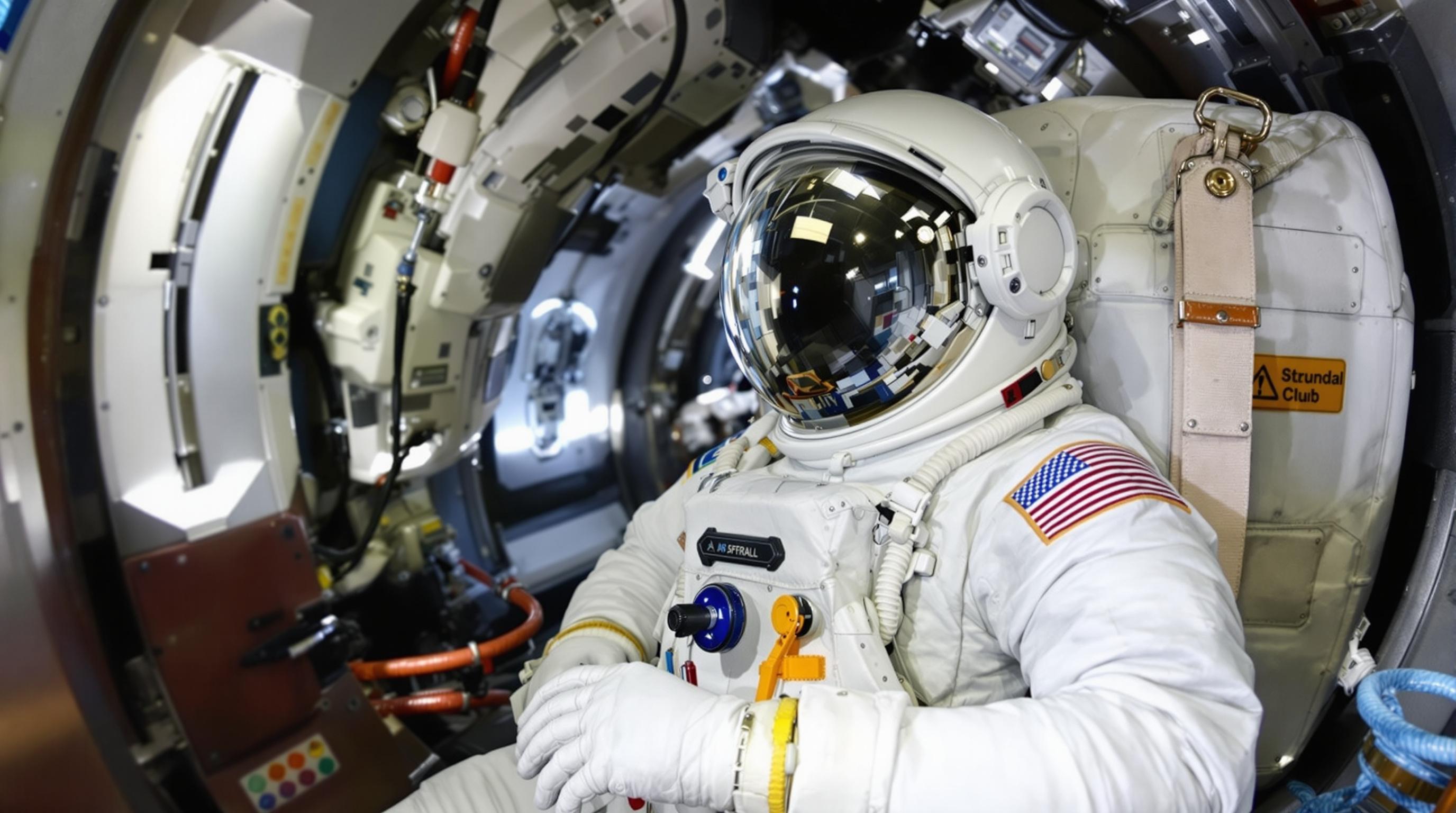
Astronaut suits are not just designed for protection against extreme temperatures and radiation; they also incorporate life-support systems that provide essential resources in space. Ensuring that the safety gear is tailored to the specific threats of the space environment is critical for astronaut survival.
For travelers, having the appropriate safety gear based on their destination can be life-saving. Wearing personal protective equipment such as helmets, gloves, or specialized clothing based on environmental risks can mitigate potential injuries.
Travelers should assess their destinations and pack accordingly, equipping themselves with the necessary safety gear that can safeguard them against local risks, whether they be climatic, geological, or health-related.
8. Environmental Sampling Protocols
Astronauts on missions, especially on planets like Mars, engage in environmental sampling to understand their surroundings better. This can include testing soil, air, and even surface materials to assess the potential impact on their health and operations.
Travelers can adopt a simplified version of this approach by researching environmental conditions and local health risks before embarking on their journey. Additionally, taking samples or notes about their travel environment can aid in staying alert to potential dangers, such as harmful wildlife or local pollutants.
Harnessing environmental knowledge can empower travelers to make informed decisions that enhance their experiences and minimize risks while exploring new locales.
9. Emergency Supply Kits
Space agencies meticulously pack emergency kits on board spacecraft. These kits contain essential items such as food, water, medical supplies, and communication devices, ensuring astronauts have what they need to survive unforeseen challenges or disasters.
Earthly explorers can also prepare emergency kits for their journeys, tailored to the duration and nature of their travels. Considerations should include not only basic necessities like food and water but also first-aid supplies, multipurpose tools, and maps of local resources.
Creating a thorough emergency supply kit equips travelers to handle various challenges, from minor accidents to major emergencies, reinforcing their autonomy and safety throughout their exploration.
10. Continuous Assessment and Adaptation
Space missions often involve continuous monitoring and assessment of current situations, adapting protocols on the fly as needed. This flexibility allows astronauts to respond to changing circumstances effectively and safely.
In the realm of earthly travel, maintaining a mindset of continuous assessment can lead to better decision-making during trips. Travelers should be encouraged to evaluate their surroundings and reassess their plans based on new information, which can be vital in avoiding danger.
This adaptive approach to travel can transform the experience into a more enjoyable and less risky adventure by keeping travelers alert and responsive to their changing environment.
By learning from the extensive safety protocols developed for space missions, earthly explorers can enhance their travel experiences and ensure well-being, making adventures not just memorable but safe.
Read More