
Related Articles
- Uncharted Escapes: Navigating the Controversial Allure of Fringe Destinations and Their Untold Stories
- Uncharted Realms: The Surprising Intersection of Urban Legends and Adventure Travel in Offbeat Locations
- Curious Chronicles: Bizarre Transport Innovations Shaping Uncommon Explorations Across Unvisited Trails
- The Forgotten History of Eco-Adventuring: Learning from Indigenous Practices for Modern Exploration
- The Hidden Impact of Eco-Conscious Adventure Games on Environmental Education and Community Resilience
- Uncommon Routes: The Unexpected Appeal of Ghost Town Hikes in Eco-Friendly Exploration
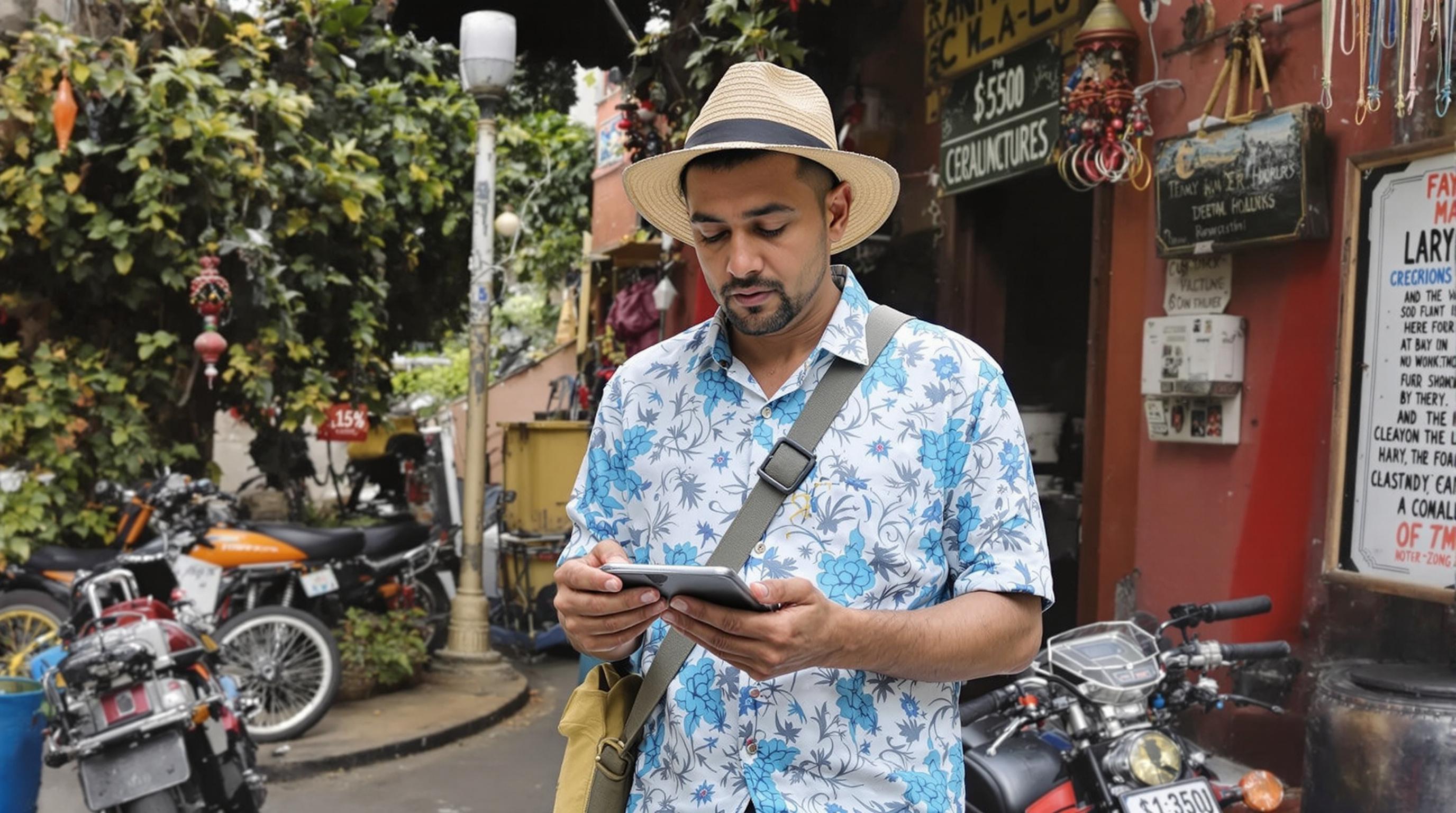
6 Unexpected Travel Safety Tips Inspired by Local Legends: Protecting Yourself with Folklore and Cultural Wisdom on Your Journey
6 Unexpected Travel Safety Tips Inspired by Local Legends: Protecting Yourself with Folklore and Cultural Wisdom on Your Journey
6 Unexpected Travel Safety Tips Inspired by Local Legends
When embarking on a journey to new destinations, it’s natural to think of safety in conventional terms: avoiding dark alleys, keeping valuables hidden, and steering clear of sketchy neighborhoods. However, local folklore and cultural legends can provide unique guidance, merging practicality with the charm of storytelling. These tales often encapsulate centuries’ worth of wisdom that can keep travelers safe in unexpected ways. Here, we’ll explore six unexpected travel safety tips inspired by local legends.
The relationship between folklore and safety is an entertaining yet practical one. Many cultures have created narratives around their experiences with nature, community, and danger. By tapping into the wisdom contained in these legends, travelers can fortify their adventure with not just knowledge, but also respect for the traditions and beliefs of those they encounter. Let’s dive into these and see how they can enhance your wanderlust without jeopardizing your safety.
While these tips may seem whimsical, their roots are often grounded in reality. Who said ghost stories can’t double as safety advice? Perhaps it’s time to examine the tales that resonate across generations, blending the uncanny with the practical for a safer journey ahead.
1. Beware the Forest Spirits
In many cultures, there are legends about forest spirits or woodland creatures that protect their territory. For instance, the Slavic ‘Leshy’ watches over the woods and can lead travelers astray if they don’t show respect. When hiking in forested areas, it’s wise to follow established paths, take only what you need, and ideally leave a small token of appreciation for the land.
Engaging with nature through respect helps mitigate risks of getting lost or attracting unwanted wildlife, embodying the spirit of cohabitation advocated by local folklore. Through this philosophy, you can cultivate a deeper connection to your surroundings while assuring your safety.
Remember, the tales are as much about respect as they are about caution. A simple offering of kindness can go a long way, turning a potentially dangerous encounter into a respectful coexistence.
2. The Wailing Woman’s Warning
The tale of La Llorona, the weeping woman, stretches across various cultures, warning travelers—especially at night. La Llorona is said to appear near water bodies, and her cries signal danger. While the legend is gruesome, the caution it provides is practical: always be careful near water, particularly after dark.
This local warning encourages travelers to stay vigilant, especially in unfamiliar surroundings where awareness of your environment is crucial. It’s important to remain cautious around secluded areas and to carry tools, like a flashlight, for nighttime visibility.
Familiarizing yourself with native legends like La Llorona can elevate your understanding of your destination’s culture while keeping you on guard against real dangers that often accompany the night.
3. The Trickster’s Lesson
The figure of the trickster exists in numerous cultures. Often illustrated as a mischievous figure who outsmarts the powerful, these tales serve as cautionary tales about deception. When traveling, it’s essential to be skeptical of overly generous strangers or seemingly lucrative offers. Just like the trickster tales warn, if something seems too good to be true, it probably is.
Being aware of the common scams in your travel destination can save you both time and money. Additionally, this perspective encourages vigilance and promotes critical thinking, which can significantly enhance your safety on the road.
By engaging with the legend of the trickster, travelers can develop a healthily skeptical mindset—one that ensures they remain safe and sound in the face of clever deceptions.
4. Ghost Town Etiquette
Every ghost town comes wrapped in a history that often includes tales of hardship and survival. Local folklore may cite these abandoned places as haunted. Rather than provoking the spirits, travelers are encouraged to honor these sites. Following the unwritten rules—like not disturbing the remains and respecting the silence—can lead to a more enriching experience.
Exploring abandoned towns can contain elements of danger, such as crumbling infrastructure and wildlife. By treating these spaces with reverence, you underscore the importance of respecting both the past and your own safety.
Moreover, engaging with these legends fosters deep respect for history while maintaining a cautious demeanor when exploring less-traveled areas that can hide their share of hazards.
5. The Healing Waters
Many cultures have legends revolving around springs or bodies of water believed to contain healing properties. While the myth may be exaggerated, the caution still remains true: drink only from known, safe water sources. In regions where folklore speaks of miraculous waters, this can also serve as a guideline for locating safe drinking water amidst natural beauty.
Understanding the legends surrounding these waters can augment your experience as you seek them out. By doing your due diligence and sticking to reputable sources, you glean the wisdom inherent in these age-old tales while ensuring your bodily well-being.
This methodical approach can lead to fresh experiences and even personal rituals—while safeguarding you against potential waterborne illnesses during your travels.
6. Embrace the Blessing Rituals
Cultures worldwide have protective blessing rituals, such as the Hmong ‘blessing ceremony’ or indigenous smudging practices. Participating in these simple ceremonies can imbue a sense of safety and security during your travels. Locals usually welcome genuine interest in their practices, as it reflects a desire to appreciate the culture and symbolism.
While skeptics may roll their eyes at the significance of rituals, partaking in these activities can boost your mental comfort, foster connections, and nurture the recognition of the shared human desire for safety and protection.
Ultimately, engaging in local blessings is more than a superstition; it embodies the act of acknowledging and respecting the spirit of the land and its people—keeping you safe as you traverse new horizons.
By embracing these unexpected travel safety tips inspired by local legends, you’ll not only broaden your understanding of the places you visit but also enrich your experience. The blend of practical advice and cultural wisdom not only protects you but leaves you immersed in the vibrant tapestry of human stories and lessons that connect us all.
Read More