Related Articles
- Uncharted Escapes: Navigating the Controversial Allure of Fringe Destinations and Their Untold Stories
- Uncharted Realms: The Surprising Intersection of Urban Legends and Adventure Travel in Offbeat Locations
- Curious Chronicles: Bizarre Transport Innovations Shaping Uncommon Explorations Across Unvisited Trails
- The Forgotten History of Eco-Adventuring: Learning from Indigenous Practices for Modern Exploration
- The Hidden Impact of Eco-Conscious Adventure Games on Environmental Education and Community Resilience
- Uncommon Routes: The Unexpected Appeal of Ghost Town Hikes in Eco-Friendly Exploration
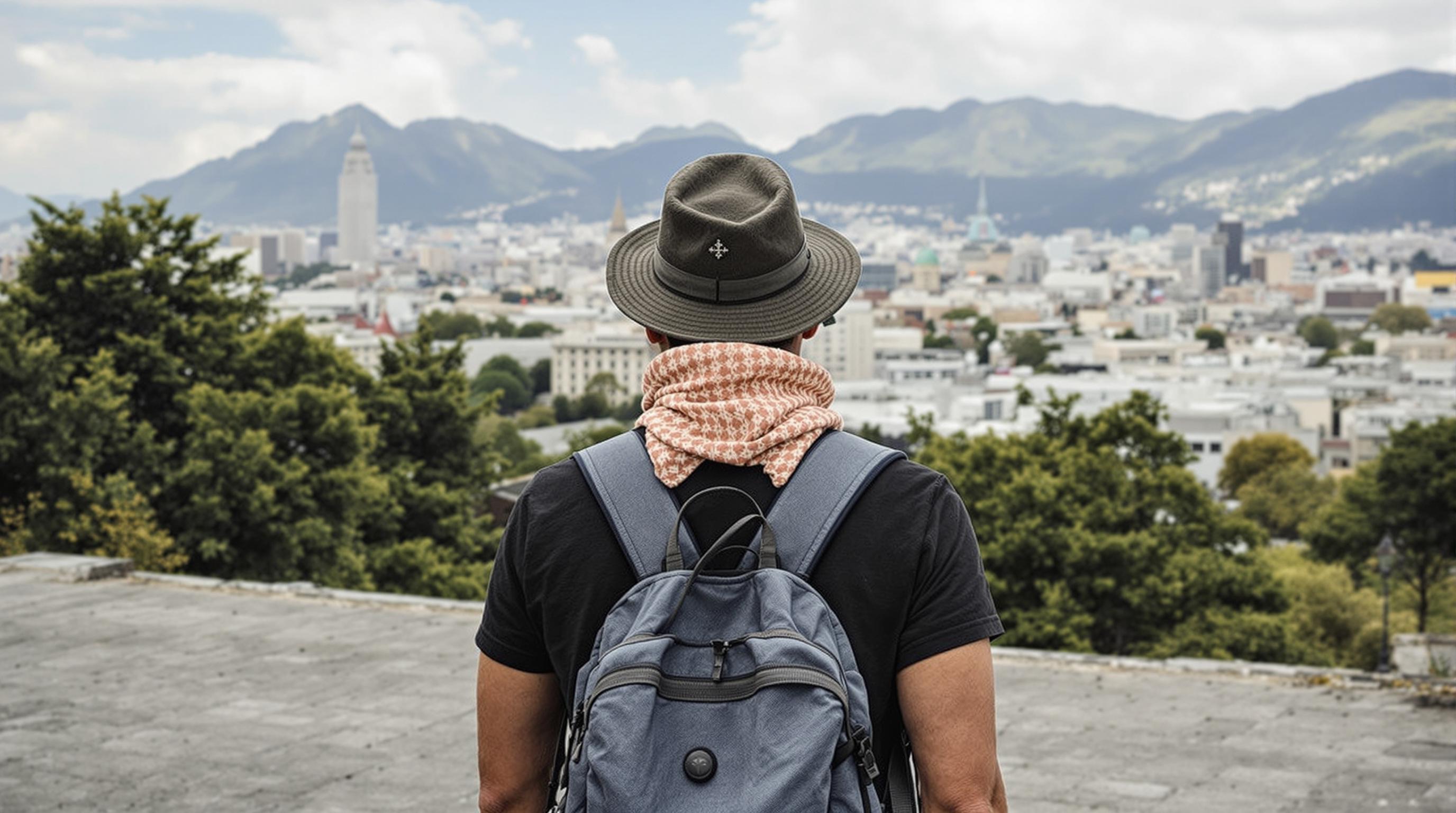
7 Psychological Tactics to Enhance Your Travel Safety Awareness and Navigate Potential Dangers While Abroad
7 Psychological Tactics to Enhance Your Travel Safety Awareness and Navigate Potential Dangers While Abroad
7 Psychological Tactics to Enhance Your Travel Safety Awareness and Navigate Potential Dangers While Abroad
1. Cultivate Situational Awareness
Situational awareness is the ability to perceive your surroundings and understand how they relate to your safety. It involves being acutely aware of who and what is around you and recognizing potential threats before they escalate. When traveling, enhance your situational awareness by actively observing body language, noting the dynamics of crowds, and identifying exits in unfamiliar places.
To develop this skill further, it can be beneficial to practice mindfulness exercises prior to your travels. By conditioning your mind to be present and attentive, you can improve your natural instincts regarding safety. For instance, incorporate routine observation exercises in everyday life; notice details like the color of storefronts and the people's expressions in your vicinity.
Utilizing tools like travel safety apps can also bolster this awareness. Resources authored by safety experts often provide tips and updates about your destination, making it easier to stay informed. By combining both personal mindfulness and technological aids, you empower yourself with knowledge that can significantly enhance your safety while abroad.
2. Pre-empt Intrusion with Confidence
Confidence is a psychological shield that can deter potential threats. When navigating a foreign environment, displaying confidence in your demeanor can signal to others that you are in control and aware. Criminals often target those who appear vulnerable, so maintaining assertive body language and purposeful movements can reduce your risk of becoming a target.
To project confidence, practice walking with an upright posture and maintaining eye contact with those around you. A confident appearance not only influences how others perceive you but also impacts your own mindset, creating a strong psychological barrier against fear and uncertainty.
Engagement with locals, when approached with an air of self-assurance, can further establish an aura of awareness and alertness. Offer a friendly but firm greeting when interacting to convey respect and knowledge of your surroundings. In doing so, you create an invisible network of community awareness that can act as an additional layer of safety.
3. Foster Intuition Through Research
Your intuition can often serve as a reliable guide, especially when it comes to safety. To sharpen this instinct, prior research about your destination is essential. Familiarize yourself with local customs, potential hazards, and areas to avoid, as these insights can intuitively inform your decisions on the ground.
Reading books, blogs, or viewing travel documentaries can enrich your understanding of the local culture and common criminal behavior patterns. This expanded awareness not only prepares you psychologically but also instills confidence in your decisions as you navigate various situations.
Moreover, engaging in discussions with fellow travelers or locals can surprise you with invaluable insights. Consider utilizing online forums or local expat groups to extract knowledge from those who have first-hand experience. By actively researching and absorbing this information, you amplify your intuitive reactions during your travels.
4. Establish a Travel Safety Mindset
Adopting a safety-first mindset requires intentional effort. Before embarking on your travels, take note of potential risks and decisions that align with a focus on safety. Instead of adopting a carefree attitude, educate yourself on local laws, customs, and the social norms that govern your destination.
Create a travel safety checklist that includes emergency contact information, local authorities, and transportation options as well as mapping safe routes. Such preparation not only adds a layer of security but also minimizes the likelihood of panic in unexpected situations. Psychological preparedness enhances your ability to act decisively.
Additionally, practice self-reflection post-travel to assess your experiences objectively. Recognizing any close calls you might have faced can help solidify this mindset for future journeys. Ultimately, cultivating a proactive travel safety mentality ensures that your adventures are both enriching and secure.
5. Leverage Social Connections
The importance of social connections cannot be overstated when it comes to travel safety. Building a network of communications can offer reassurance and practical support in potentially dangerous situations. Connectivity with fellow travelers or locals creates a communal experience where safety is a shared priority.
Before leaving for your trip, explore opportunities for social connections online, such as using social media platforms for travel groups. Engaging with like-minded individuals offers not only camaraderie but valuable insights about safety within your destination.
Always establish local contacts or acquaintances upon arrival, and share your travel plans with family or friends back home. Increasing your circle allows you to access knowledge and resources that can elevate your precautionary measures. Trust in your social network fosters a heightened sense of security as you travel.
6. Utilize the Power of Visualization
Visualization is a powerful psychological tool that can enhance your readiness for various scenarios while traveling. By mentally rehearsing potential dangers and your responses to them, you can program your mind for effective action. Visualizing situations can help alleviate anxiety and develop a clear action plan.
Consider setting aside time before your trip to envision yourself encountering specific challenges and successfully managing them. Visualizing calmly navigating through a crowded marketplace or safely addressing an uncomfortable situation can create a mental map of sorts, reinforcing your confidence and preparedness.
Additionally, sports psychologists often endorse visualization techniques for boosting resilience and success. By engaging with this approach, you cultivate a mental environment conducive to proactive safety measures upon encountering anxiety-inducing situations abroad.
7. Hone Emotional Resilience
Emotional resilience is a cornerstone of effective travel safety management. Embracing stress-reduction techniques can help maintain composure in unexpected circumstances while abroad. Practices such as deep breathing exercises, meditation, or journaling can foster a sense of calm and stability amidst potential chaos.
Moreover, consider integrating self-care routines into your travel itinerary. Schedule regular downtime for reflection and relaxation to help reset your emotional state. By nurturing your mental health, you create a buffer against stressors that could otherwise disrupt your travel experience.
Emotional resilience ultimately supports your ability to process information quickly and make rational decisions. When disruptions arise, being grounded allows you to evaluate the situation accurately and respond in a manner that ensures your safety. Cultivating resilience thus acts as a protective factor during your travels.
Read More